
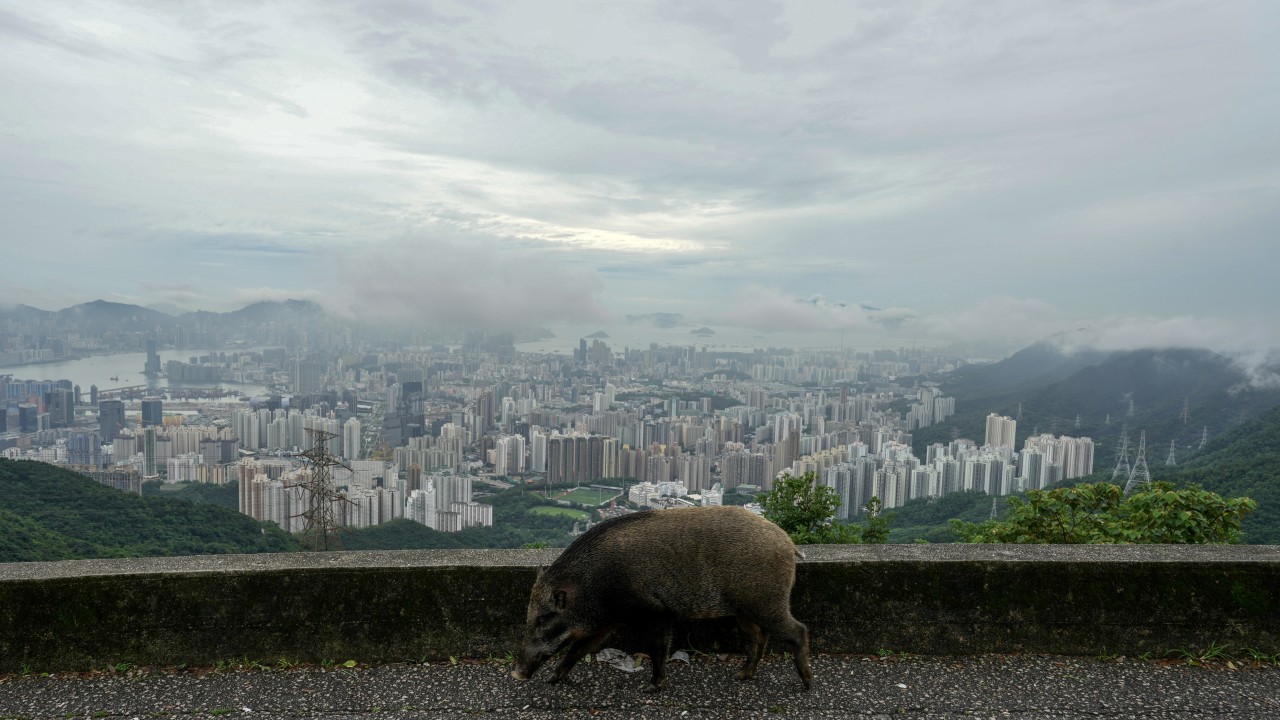
Hong Kong is reassessing how the city manages encounters between expanding urban spaces and wildlife after two tragic incidents occurred on consecutive days earlier this month—one involving wild boars in a residential area and another a buffalo struck by a car on a highway in Yuen Long.
What Happened
According to the report, Hong Kong authorities euthanised eight wild boars—two adults and six juveniles—after the animals wandered into a residential area near Chuk Yuen North Estate in Wong Tai Sin. The move came after the boars entered a populated neighborhood, highlighting how quickly wildlife can enter human spaces when conditions outside change or animals stray from their usual habitat.
The following day, a car struck a buffalo on a highway in Yuen Long. The collision disrupted traffic for several hours. After the incident, the buffalo was euthanised due to severe injuries, underscoring the risks not only to wildlife but also to drivers and nearby communities during unexpected road crossings.
Background
Hong Kong is a densely populated, highly urbanized territory where natural areas remain present but are increasingly bordered by housing, roads, and other infrastructure. As development continues and land use patterns shift, wildlife can be pushed closer to people—or may wander into built-up areas in search of food, cover, or movement corridors.
When animals enter city neighborhoods, authorities face a difficult trade-off: attempting to relocate wildlife can be challenging and may increase stress for the animals, while leaving them in place can raise safety concerns for residents. In the incidents described, officials opted for euthanisation after both the boars and the buffalo suffered circumstances judged to be too dangerous or harmful to manage otherwise.
Urban wildlife management typically hinges on rapid response—assessing the animal’s condition, determining whether it poses an immediate threat, and deciding on the least hazardous option for both people and animals. The report’s description of consecutive events draws attention to the reality that such incidents can cluster, especially in periods when animals are more likely to move, forage, or stray.
Why It Matters
These events serve as a reminder that “wildlife coexistence” in a modern city is not only about long-term conservation; it also requires practical, day-to-day safety measures. Traffic disruptions from road collisions and the need for lethal decisions when injuries are severe can increase public pressure and intensify scrutiny of existing wildlife-control protocols.
While the incidents are centered in Hong Kong, the broader lesson resonates across densely populated cities worldwide—including in parts of Latin America facing expanding urban development and human-wildlife contact. When cities grow quickly or natural habitats become fragmented, animal movement can become harder to predict, raising the stakes for traffic safety and emergency response planning.
For readers in Panama and the region, the underlying message is clear: urban planning and wildlife management must be treated as connected challenges. Measures such as safer crossing pathways, better habitat buffering, and clear incident response protocols can reduce both animal suffering and human risk. The report’s focus on consecutive tragedies suggests Hong Kong is still searching for the right balance between development and biodiversity protection.
As Hong Kong continues refining its approach, the key question will be whether preventive strategies can reduce the frequency of encounters—before they escalate into injuries, disruptions, and euthanisation decisions that communities would rather avoid.