
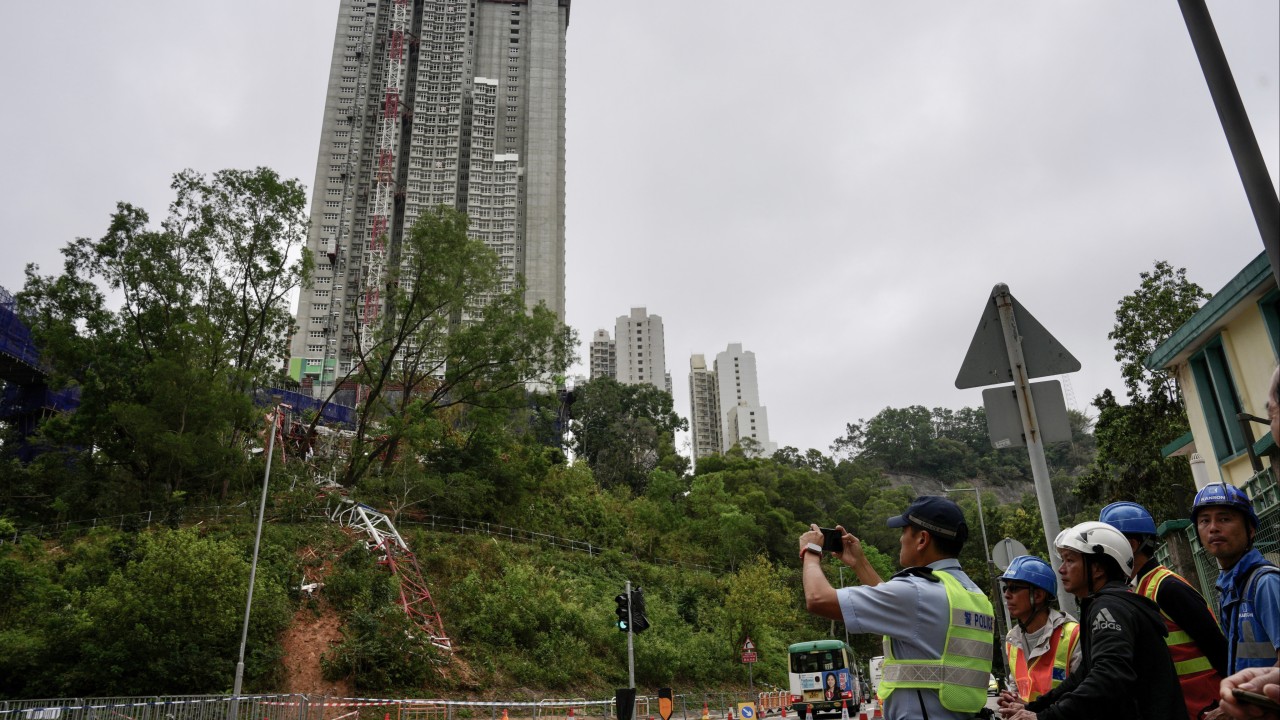
A tower crane collapsed on Thursday at a public housing construction site in Kwai Chung, killing the 62-year-old crane operator and renewing scrutiny of Hong Kong’s industrial safety record and supervision of large development projects.
What Happened
The collapse occurred at a public housing construction site in Kwai Chung, where a tower crane failed, killing the 62-year-old operator, according to reports. The accident has once again drawn attention to what commentators and safety advocates describe as a weak safety culture and lax oversight in the city’s construction sector.
Authorities and industry observers have noted the accident amid a period of intense building activity, with major projects including the government’s Northern Metropolis development and other large-scale construction initiatives under way across the territory.
Background
Hong Kong has a long-standing reputation for rapid urban development and a heavy pipeline of construction work. Public housing remains a central government priority, driving continuous construction activity in urban areas and new development zones. The Northern Metropolis is among the flagship plans that have increased construction demands and placed more cranes and heavy machinery on sites across the city.
Over the years, safety guidelines and regulatory frameworks have been established to manage risks on construction sites. Yet accidents — including falls, equipment failures and collapses — have periodically exposed weaknesses in site-level supervision, contractor practices, and enforcement that critics say persist despite official safeguards.
Why It Matters
The fatal crane collapse highlights several pressing issues. First, it underscores the human cost when safety systems fail: a life was lost, and families and colleagues are affected. Second, it raises questions about whether existing oversight and enforcement are keeping pace with the scale and speed of current development projects.
For the broader public and policymakers, such accidents can erode confidence in how large infrastructure and housing programmes are managed. Public housing projects are particularly sensitive because they are closely linked to social welfare goals; any delays or work stoppages triggered by safety failures could complicate delivery schedules and increase scrutiny on contractors and regulators.
There are also implications for the construction industry itself. Persistent safety concerns can affect workforce morale and retention, push up compliance costs, and draw greater regulatory intervention. Contractors may face tougher inspections and higher insurance or operational costs if authorities respond with stricter supervision or additional rules.
While this tragedy took place in Hong Kong, the underlying issues — enforcement gaps, site-level safety culture, and the pressures of rapid development — are relevant wherever large-scale construction is underway. The incident serves as a reminder that guidelines and safeguards must be matched by vigilant implementation and accountability if development is to proceed without further loss of life.
As Hong Kong continues its major building programmes, the incident in Kwai Chung is likely to prompt renewed calls for thorough reviews of safety practices, improved supervision on sites, and measures that ensure protective rules are enforced effectively rather than existing only on paper.