
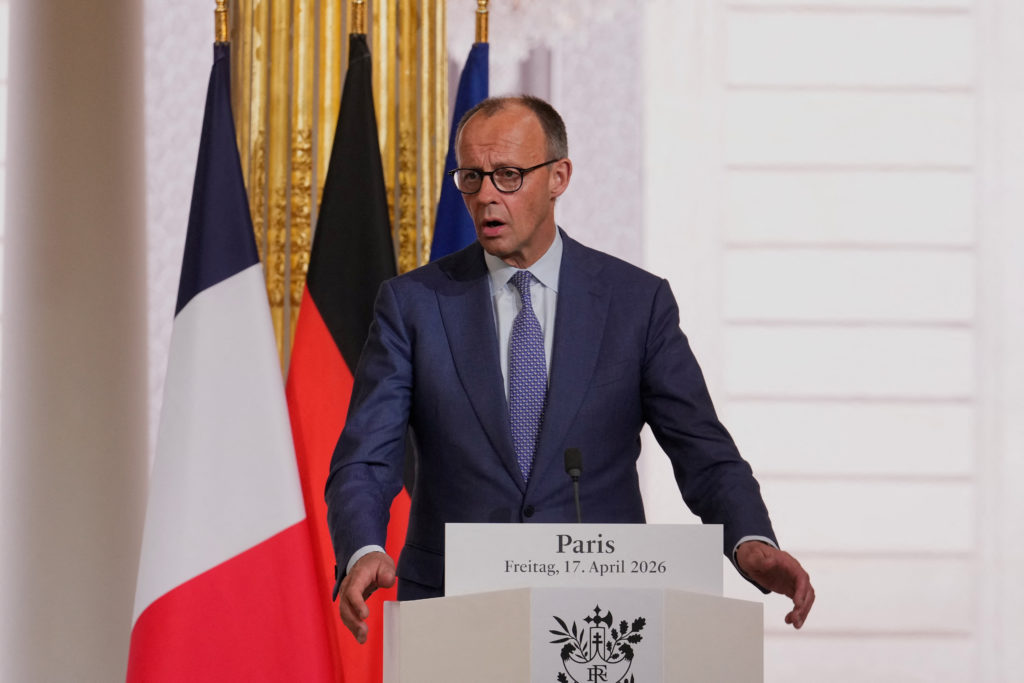
Germany is seeking a broader international role, including possible U.S. participation, in a mission aimed at securing the Strait of Hormuz, one of the world’s most strategically important shipping lanes. Chancellor Friedrich Merz said Berlin would welcome Washington’s involvement, underscoring the stakes for global energy flows and maritime security.
What Happened
Merz said Germany would, “if possible,” like to see the United States take part in the mission, adding that such involvement would be desirable. His comments reflect concern over the safety of navigation through the narrow waterway linking the Persian Gulf to the open ocean.
The Strait of Hormuz is a critical passage for global trade, especially oil and liquefied natural gas shipments. Any disruption there can ripple through energy markets, raise shipping costs, and intensify geopolitical tensions far beyond the Middle East.
Background
The Strait of Hormuz has long been a flashpoint in regional and international security. Iran sits on one side of the strait, and tensions in the wider Gulf have repeatedly raised fears of interference with commercial shipping, including seizures, attacks, and military brinkmanship.
Because so much of the world’s oil supply passes through the corridor, even the threat of instability can unsettle markets. Western governments have frequently discussed maritime patrols, escort missions, and multinational coordination to reassure shippers and deter attacks.
Germany’s call for U.S. participation also fits a broader pattern in which European allies look to Washington for military and diplomatic weight in high-risk maritime regions. The United States has historically maintained a strong naval presence in the Gulf, both to protect commercial traffic and to signal deterrence.
Why It Matters
Security in the Strait of Hormuz matters well beyond the Middle East because it affects energy prices, freight routes, and the stability of global supply chains. Any escalation there can quickly reach consumers and businesses in Europe, Asia, and the Americas.
For Panama and Latin America, the connection is indirect but real. Panama’s own economy depends heavily on international shipping and trade, and major disruptions to global maritime routes can affect transport costs, fuel prices, and the movement of goods through the Canal and related logistics networks.
The push for U.S. involvement also highlights how the security of global chokepoints remains a central issue in world politics. As major powers weigh how far to commit military assets, governments are trying to balance deterrence, diplomatic pressure, and the risk of wider confrontation in a region already shaped by long-running rivalries.