
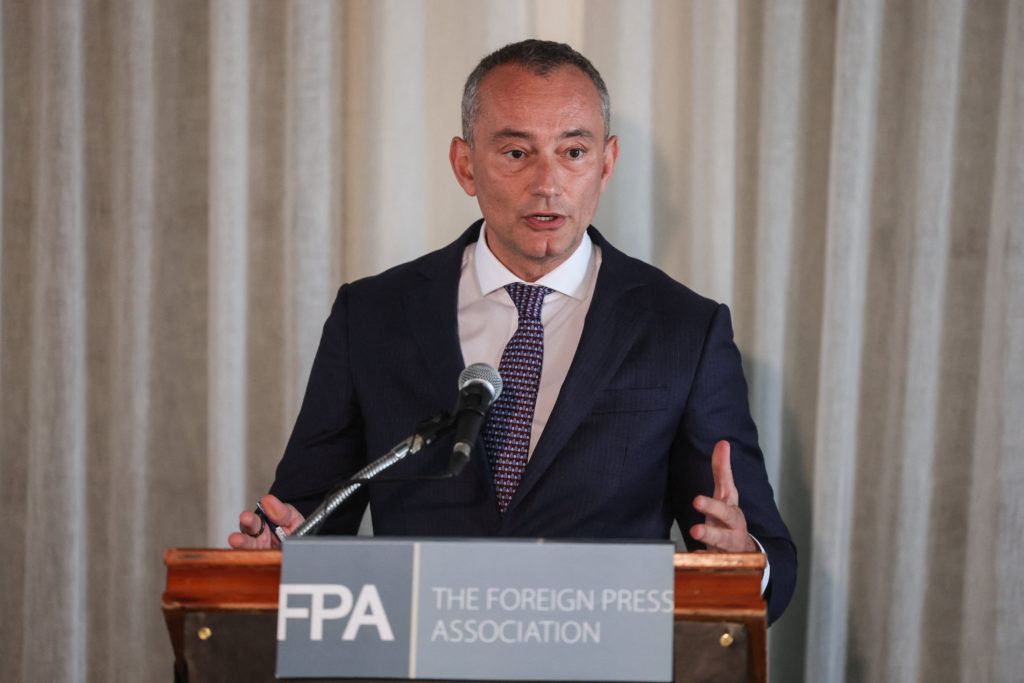
The U.S.-brokered ceasefire in Gaza has entered a dangerous stalemate, with the effort to rebuild the territory now caught in a dispute over Hamas’s disarmament. The top diplomat overseeing the deal, Nickolay Mladenov, said the deadlock has effectively frozen progress on reconstruction in a region already devastated by war.
What Happened
Mladenov, who is overseeing the ceasefire arrangement, said the truce is stalled because negotiators have not bridged the gap on whether and how Hamas would give up its weapons. That unresolved issue has prevented the next phase of the agreement from moving forward, especially the reconstruction of Gaza’s shattered civilian infrastructure.
The ceasefire was intended not only to stop the fighting but also to create space for a political and humanitarian process that could stabilize Gaza after months of destruction. Instead, the talks have become locked around a central security question: whether Hamas can remain a political force while being required to disarm. Until that issue is addressed, reconstruction and broader implementation of the deal remain on hold.
Background
Gaza has suffered extensive damage from the war, leaving homes, roads, hospitals, power systems, and public services badly battered. In conflicts across the Middle East, ceasefire agreements often hinge on the difficult balance between security guarantees and political realities, and Gaza is no exception. Demands that armed groups disarm are commonly tied to concerns about future violence, border security, and the durability of any truce.
The United States has repeatedly played a central role in trying to broker pauses in fighting between Israel and Hamas, with international partners pushing for humanitarian access, prisoner exchanges, and a path toward rebuilding. But postwar reconstruction in Gaza has long been entangled with questions of governance, weapons control, and who will administer the territory once the guns fall silent.
For regional governments, including Egypt, Qatar, and other Arab states that have helped mediate Gaza-related diplomacy, the dispute reflects a familiar challenge: humanitarian relief can begin quickly after a ceasefire, but long-term recovery usually depends on security arrangements that both sides can accept. Without that foundation, aid delivery and rebuilding efforts remain vulnerable to collapse.
Why It Matters
The standoff is significant because Gaza’s reconstruction is not just a humanitarian issue; it is a test of whether any ceasefire can evolve into a lasting political settlement. If the disarmament question remains unresolved, the territory could remain trapped between fragile calm and renewed conflict, with civilians paying the highest price.
For Panama and the wider Latin American region, the direct impact is limited, but the broader implications are clear. Instability in Gaza can affect global diplomacy, energy markets, migration pressures, and international debate at the United Nations and other multilateral forums where Latin American countries regularly participate. A prolonged deadlock also makes it harder for the international community to rally around a credible reconstruction plan, which increases the risk of further regional tension and humanitarian strain.
As long as the ceasefire remains tied to one of the conflict’s most sensitive political and security disputes, the prospects for rebuilding Gaza will likely stay uncertain. The result is a fragile pause in fighting, but not yet a durable peace.