
What Happened
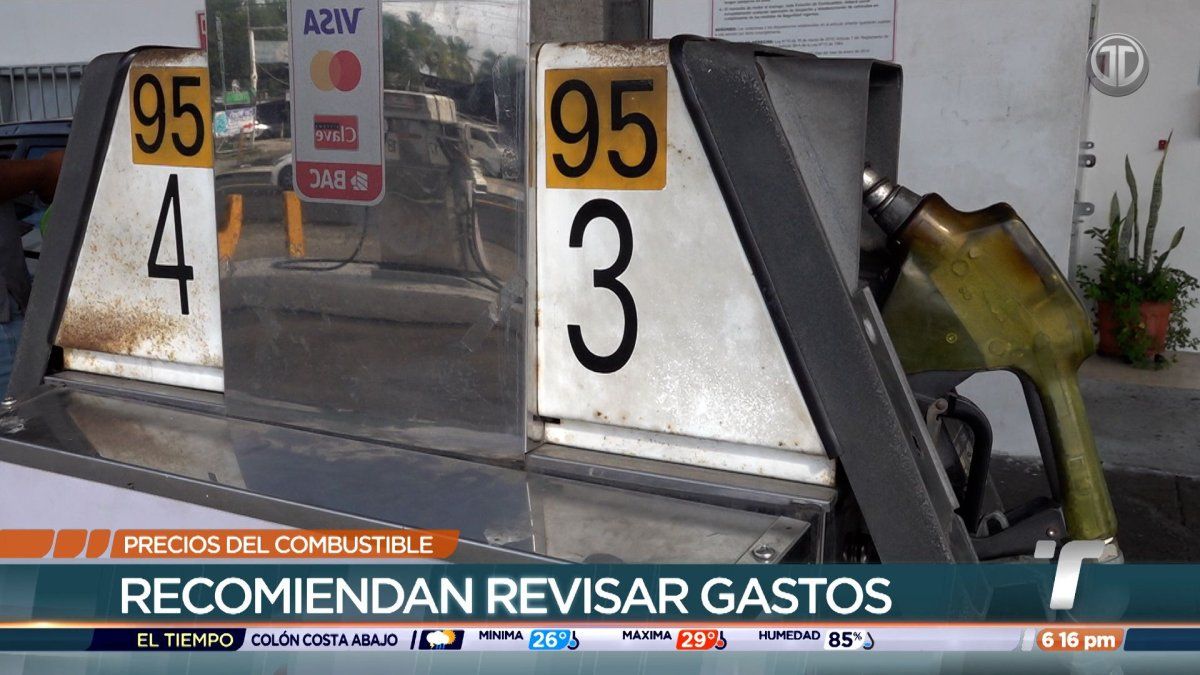
Drivers and consumers in Panama are preparing for another increase in fuel prices that takes effect this Friday, May 15. The new adjustment will add pressure to household budgets and transportation costs across the country.
Fuel price changes can quickly affect everyday life in Panama because they influence the cost of commuting, freight, and basic goods. When gasoline and diesel rise, the impact often reaches beyond motorists and into the wider economy.
Why It Matters
Higher fuel prices can raise expenses for families who rely on private vehicles, public transport users, and businesses that depend on deliveries or logistics. In a country where transportation plays a central role in daily commerce, even a modest increase can be felt in multiple sectors.
Panama’s economy is closely tied to movement through the country, from urban traffic in Panama City to cargo routes that support trade and distribution. That makes fuel costs an important factor for consumers, companies, and service providers alike.
Background
Fuel prices in Panama are adjusted periodically, and each change tends to draw attention because it affects both personal finances and operating costs. Drivers often respond by revising their budgets, reducing travel, or looking for ways to limit fuel use.
The latest increase adds to the challenge of managing monthly spending at a time when transportation remains a necessary expense for many households and businesses.
What Consumers Can Expect
As the new prices take effect, motorists are likely to feel the change immediately at the pump. Businesses that rely on vehicles for sales, distribution, or services may also face higher operating costs, which can eventually influence prices paid by consumers.
For many households, the adjustment means reworking budgets once again to account for a more expensive fuel bill. The effect will be especially noticeable for people who commute regularly or depend on fuel-intensive work.