
What Happened
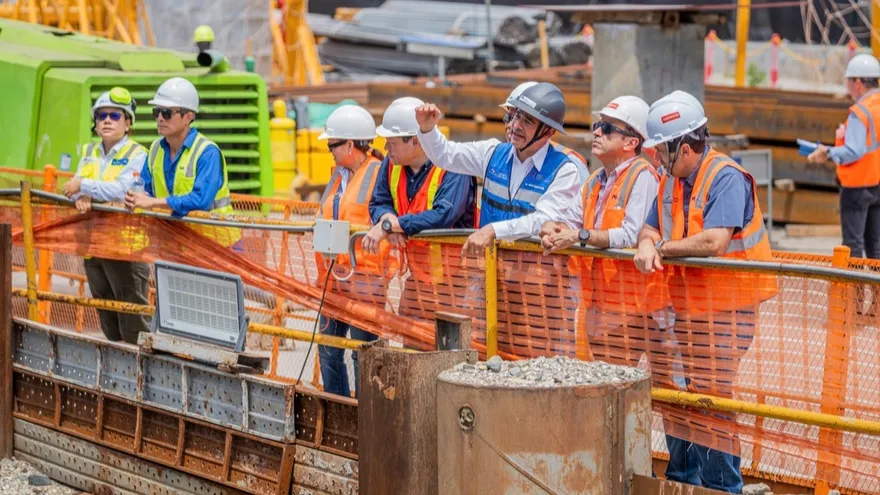
Construction of the Fourth Bridge over the Panama Canal has reached 35% overall completion, according to authorities overseeing the project. During a site tour, officials highlighted several key points along the work zone and showed the progress made so far.
The project is also far along in its foundation phase, which has reached 75% completion. That stage is a critical part of the bridge build because it supports the structure that will carry traffic across one of Panama’s most important transportation corridors.
Why It Matters
The Fourth Bridge over the Panama Canal is one of the country’s most significant infrastructure projects. Once completed, it is expected to improve connectivity between Panama City and districts on the western side of the canal, helping ease congestion and strengthen mobility in the metropolitan area.
Major works of this kind are closely watched in Panama because they affect daily commutes, logistics, and long-term urban growth. Progress on the bridge also reflects the pace of public infrastructure development tied to the canal crossing area, where road demand continues to grow.
Project Progress
The reported 35% general advance indicates the bridge is still in an early-to-middle stage of execution, while the foundation work is moving faster than the project overall. Foundation progress often comes before broader structural construction, making it an important milestone for a project of this size.
Bridge projects of this scale typically require careful engineering, especially near a waterway as strategically important as the Panama Canal. The pace of construction can influence expectations for future transport improvements across the capital region and surrounding communities.
Panama’s Infrastructure Push
The Fourth Bridge remains a key piece in Panama’s broader effort to expand and modernize its transport network. As one of the country’s highest-profile works, it carries both practical and symbolic value, representing investment in long-term mobility and national infrastructure.
For residents and commuters, each advance on the project brings the bridge closer to becoming a major alternative route for crossing the canal. That could eventually reduce pressure on existing crossings and support smoother movement in and out of the city.