
What Happened
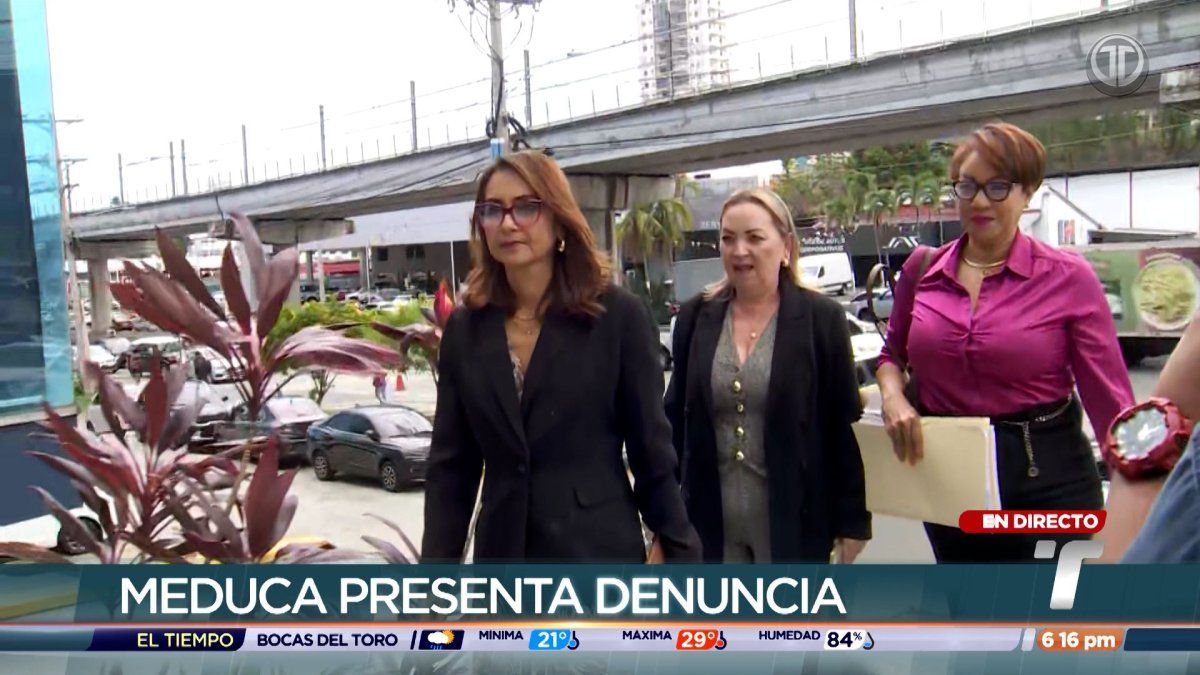
Panama’s Ministry of Education has denounced a corruption network that was allegedly inserting false diplomas into the registry used to qualify teachers for vacancy competitions. The ministry says it has identified 50 falsified diplomas that were not issued by universities.
The case centers on the system used to register eligible teachers for public teaching posts, a process that determines who can compete for openings in the education sector. By using forged credentials, the network would have been able to give certain applicants an unfair advantage in the selection process.
Why It Matters
Teacher hiring in Panama depends on official documentation that verifies academic preparation and professional eligibility. False diplomas undermine that system by distorting competition for public jobs and weakening confidence in the rules meant to ensure merit-based selection.
The denunciation also highlights a broader risk for public administration: when fraudulent credentials enter official records, they can affect staffing decisions, budget planning, and the quality of education delivered in classrooms across the country.
Broader Context
Vacancy competitions in the education sector are designed to help schools fill teaching posts with qualified candidates. That makes academic credentials a central part of the process, especially in a system where eligibility often depends on documented training from recognized universities.
Cases involving forged documents have become a recurring challenge for public institutions in many countries, and Panama’s education sector is no exception. Protecting hiring procedures from fraud is essential not only for transparency, but also for maintaining public trust in the institutions that oversee teacher recruitment.
What It Could Mean
The identification of dozens of falsified diplomas suggests the problem was not isolated. If confirmed through official review, the case could lead to stricter document checks and closer scrutiny of credentials submitted in future competitions.
For teachers who follow the rules, the allegation raises concerns about fairness in access to public positions. For students and parents, it reinforces the importance of ensuring that educators entering the system meet the standards required by law.