
What Happened
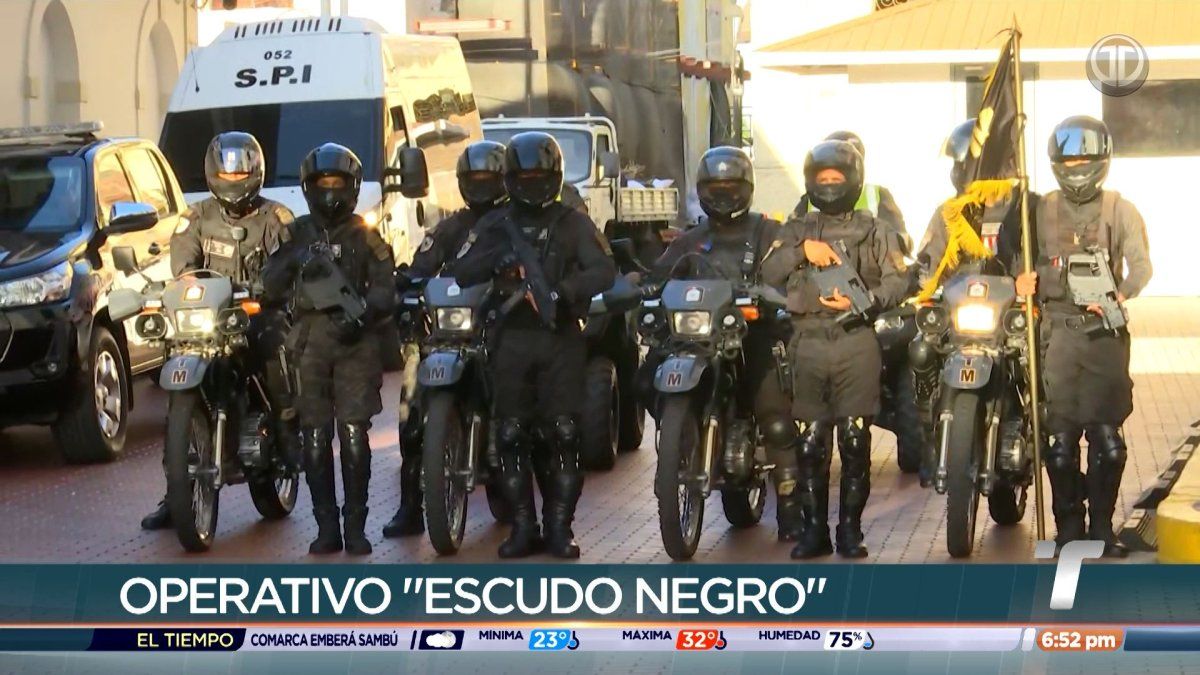
The Institutional Protection Service activated the security operation known as “Escudo Negro” on Friday, April 17, deploying more than 350 personnel in Panama City’s Casco Antiguo and the Cinta Costera. The effort is aimed at reducing criminal activity in two of the capital’s busiest public areas.
Casco Antiguo, one of Panama’s most visited historic districts, and the Cinta Costera, a major waterfront roadway and recreation corridor, draw residents, tourists, and businesses throughout the week. Their high foot traffic makes both areas key points for preventive policing and public safety operations.
Why These Areas Matter
The Casco Antiguo is a central part of Panama City’s cultural and tourism landscape, with plazas, restaurants, museums, and historic buildings that attract large crowds. The Cinta Costera serves as a popular space for exercise, leisure, and events, while also connecting important parts of the city.
Because of their visibility and daily use, both locations are often at the center of public security efforts. A deployment of this size signals a focused push to maintain order and reduce opportunities for theft, disturbances, and other offenses that can affect residents and visitors alike.
Public Safety in the Capital
Operations like “Escudo Negro” are part of broader efforts to reinforce safety in urban areas with heavy pedestrian and vehicle movement. In Panama City, visible security presence can also support tourism, commercial activity, and confidence in public spaces.
The SPI’s move comes as authorities continue to place emphasis on crime prevention in central parts of the capital. A sustained presence in areas such as the Casco Antiguo and the Cinta Costera can help deter offenses and respond more quickly to incidents as they occur.
What This Means for Residents and Visitors
For people who live, work, or spend time in these neighborhoods, the operation means a larger security footprint across two of the city’s most important corridors. Visitors heading to the historic district or waterfront may notice checkpoints, patrols, and increased coordination among security personnel.
As Panama City continues to balance tourism, commerce, and public order, operations like this remain a visible part of efforts to keep key public spaces safer and more accessible.