
What Happened
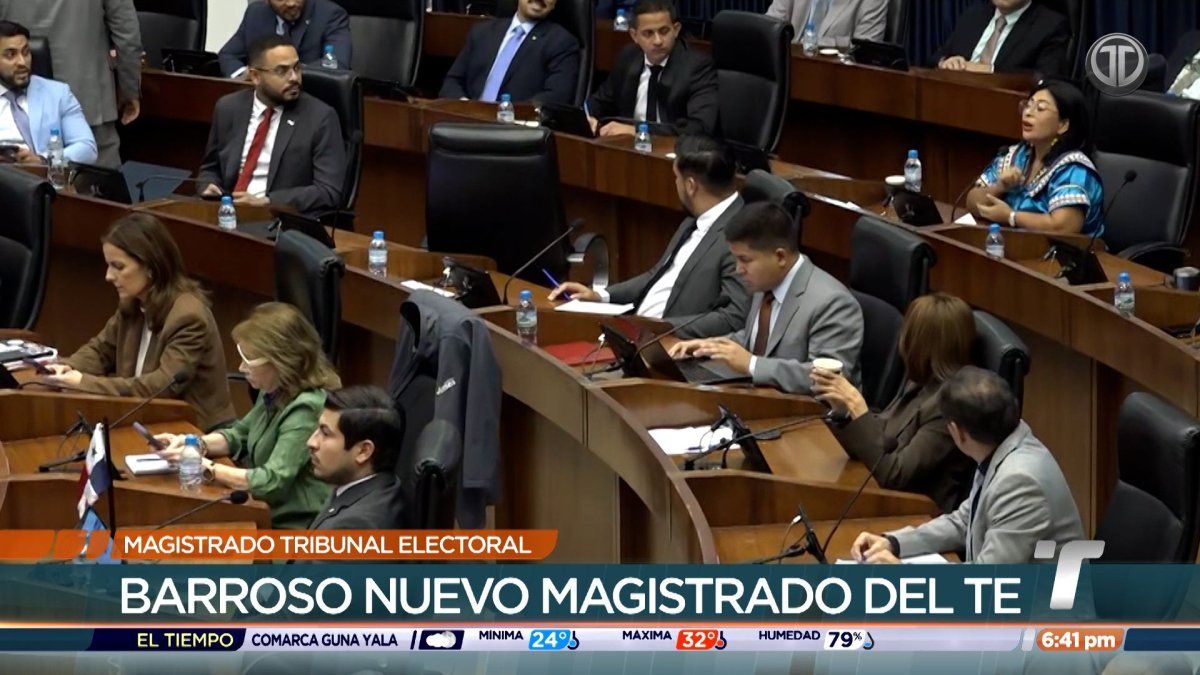
Political tensions are rising after the election of Jaime Barroso as the new magistrate of Panama’s Electoral Tribunal. The vote has prompted expectations of internal action within the Vamos Coalition against three of its deputies who broke ranks during the selection.
Why the Vote Matters
The Electoral Tribunal plays a central role in Panama’s democratic process, overseeing elections and helping safeguard the country’s electoral system. That makes any change in its leadership closely watched by political parties, lawmakers, and voters alike.
When members of a bloc vote against the agreed line on a sensitive appointment, the fallout often goes beyond the vote itself. It can expose divisions inside a coalition, test party discipline, and influence how lawmakers coordinate on future decisions.
Political Repercussions
The immediate focus is now on the Vamos Coalition and how it responds to the three deputies who defied the group’s position. Such disputes can shape the balance of power inside the National Assembly and affect the coalition’s public image as it seeks to present a united front.
For Panama’s political scene, the episode adds another layer of scrutiny to the selection of officials who hold key institutional roles. A contested vote can become a signal of broader disagreements over strategy, loyalty, and the direction of opposition politics.
Broader Context
Appointments to the Electoral Tribunal often carry significant weight because the institution is central to the country’s electoral credibility. That is especially true in a period when political actors are watching closely for signs of cohesion or fracture ahead of future political battles.
The reaction to Barroso’s election now shifts attention from the appointment itself to the consequences inside one of the country’s political coalitions. How Vamos handles the dissenting lawmakers may affect its standing in the legislature and among its supporters.