
Ecuador has taken a notable step in the legal recognition of transgender minors, with a recent case opening a path for other young people seeking documents that match their gender identity. The moment is significant in a country where LGBTQ+ rights have often advanced through court rulings rather than through new legislation.
What Happened
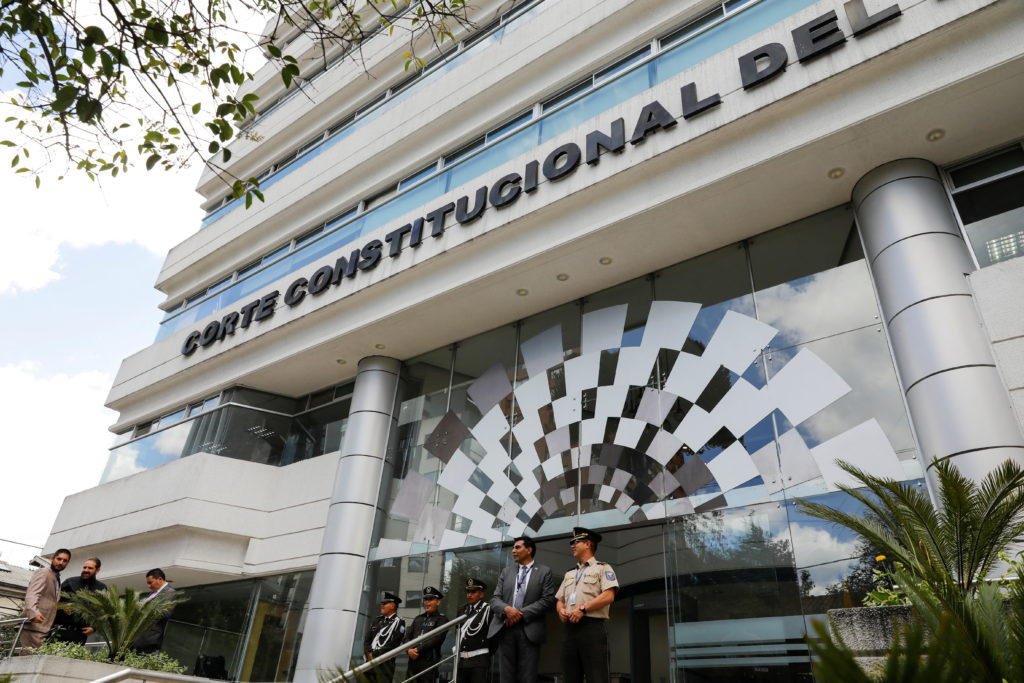
The case centers on a transgender teenager in Ecuador whose legal fight has helped establish a possible route for others in similar circumstances. At issue is the recognition of gender identity in official records, an area that has long been contested across much of Latin America. The ruling represents more than an individual victory: it signals that transgender minors may be able to seek legal acknowledgment of their identity through the courts.
Ecuador has been one of the more legally progressive countries in the region on LGBTQ+ rights, but progress has typically come in increments and often after sustained litigation. This case adds to that pattern by pushing the boundaries of legal recognition for young people, not only adults.
Background
Across Latin America, the rights of transgender people vary widely, and legal recognition remains one of the most important issues affecting daily life. Identity documents that do not reflect a person’s gender identity can create obstacles in school enrollment, healthcare, travel, employment, and access to public services. For minors, those problems can be even more acute because legal decisions may affect family relationships and school life during formative years.
In Ecuador, courts have played an outsized role in shaping LGBTQ+ protections. In many countries, lawmakers have been slow to pass comprehensive protections or update civil registry rules, leaving judges to decide whether existing constitutional guarantees of equality and dignity apply to transgender people. That legal environment has made court victories especially important, even when they are limited to specific cases.
The broader regional context also matters. Latin America has seen a steady, uneven expansion of LGBTQ+ rights over the past two decades, with some countries recognizing gender identity in law while others continue to impose major barriers. Court rulings in one country can influence legal advocates elsewhere by offering a precedent, a strategy, or a renewed push for reform.
Why It Matters
This case matters because legal recognition is more than a symbolic issue. For transgender teens, having documents that align with their identity can reduce discrimination and help them participate in everyday life with greater safety and dignity. It can also affect how schools, healthcare providers, and government offices treat them.
For Ecuador, the case reinforces the role of the judiciary as a driver of rights expansion in the absence of major political reform. That is especially relevant in a region where civil rights battles often move from legislatures to courts when elected officials are unwilling to act.
There is also broader significance for Latin America. Legal wins for transgender minors in one country can shape advocacy strategies in neighboring states, including those in Central America, where debates over gender identity and civil status remain highly sensitive. While the legal systems differ, the underlying question is similar: whether the state will recognize gender identity as a protected part of personal dignity and equality under the law.
For readers in Panama and across the region, the case is a reminder that rights debates in one country can echo beyond its borders, influencing courts, activists, and policymakers throughout Latin America.