
What Happened
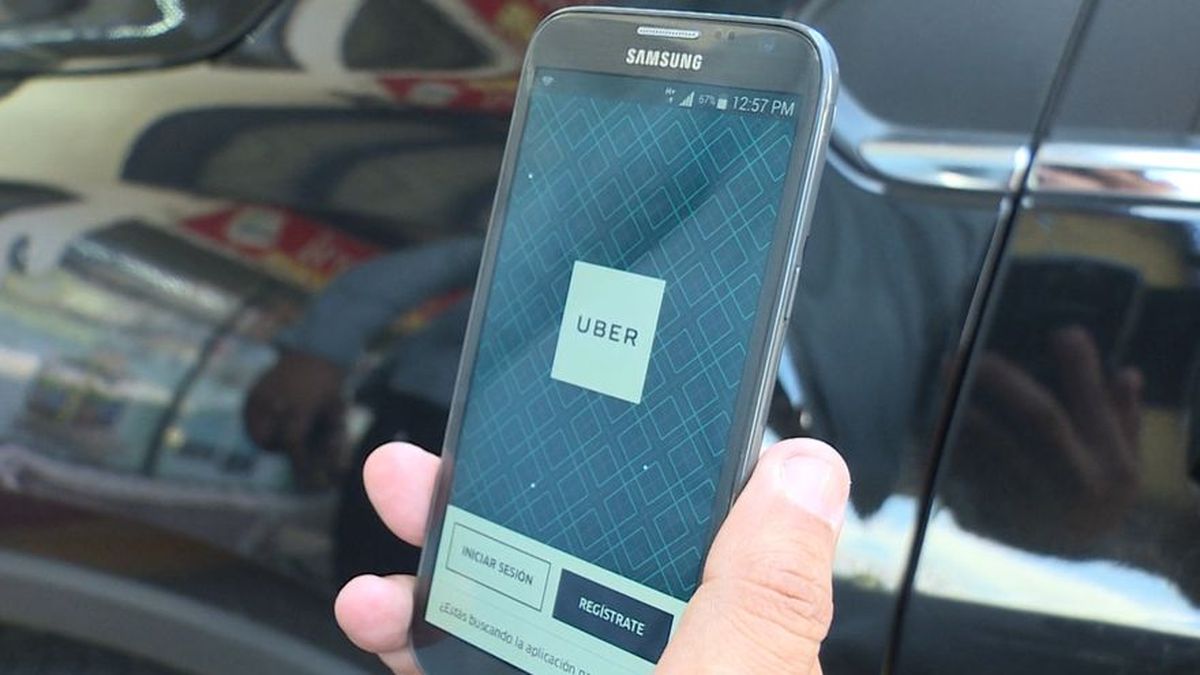
Panama has introduced a new decree that regulates digital platforms such as Uber, adding formal requirements for companies operating in the country’s app-based transport market. Panama City Mayor Mayer Mizrachi has publicly criticized the measure, arguing that it penalizes innovation.
The decree places digital platforms under a clearer regulatory framework at a time when app-based services have become an important part of urban mobility in Panama. The rules are aimed at setting conditions for how these companies operate in the local market.
The Debate Over Regulation
Mizrachi’s criticism reflects a broader tension between technological innovation and government oversight. Supporters of regulation often argue that digital transport platforms should follow clear standards to ensure order, safety, and fair competition. Critics, meanwhile, say stricter rules can slow down investment and limit the flexibility that made these platforms popular in the first place.
In Panama, ride-hailing services are widely used in the capital and other urban areas, where many residents rely on mobile apps for everyday transport. Any change to the rules governing those services can therefore affect both drivers and passengers.
Why It Matters
The decree comes at a moment when governments across Latin America are trying to balance the growth of digital platforms with local labor, tax, and transport policies. Panama’s move places the country within that regional conversation, where authorities are seeking to regulate new business models without discouraging technological development.
For the public, the key issue is whether the new framework will improve oversight while preserving the convenience and competitiveness that made app-based transport attractive. For the companies involved, the rules may shape operating costs and future expansion plans in Panama.
Panama’s Digital Economy Challenge
As Panama continues to modernize its economy, policymakers are facing pressure to create rules that support innovation while maintaining a level playing field. The discussion around digital platforms is part of a wider debate over how the country should adapt to fast-changing technology in transport and other services.
The decree adds another layer to that conversation, especially in Panama City, where app-based mobility is now a familiar part of daily life. The political and economic impact of the regulation will likely be watched closely by drivers, users, and business leaders alike.