
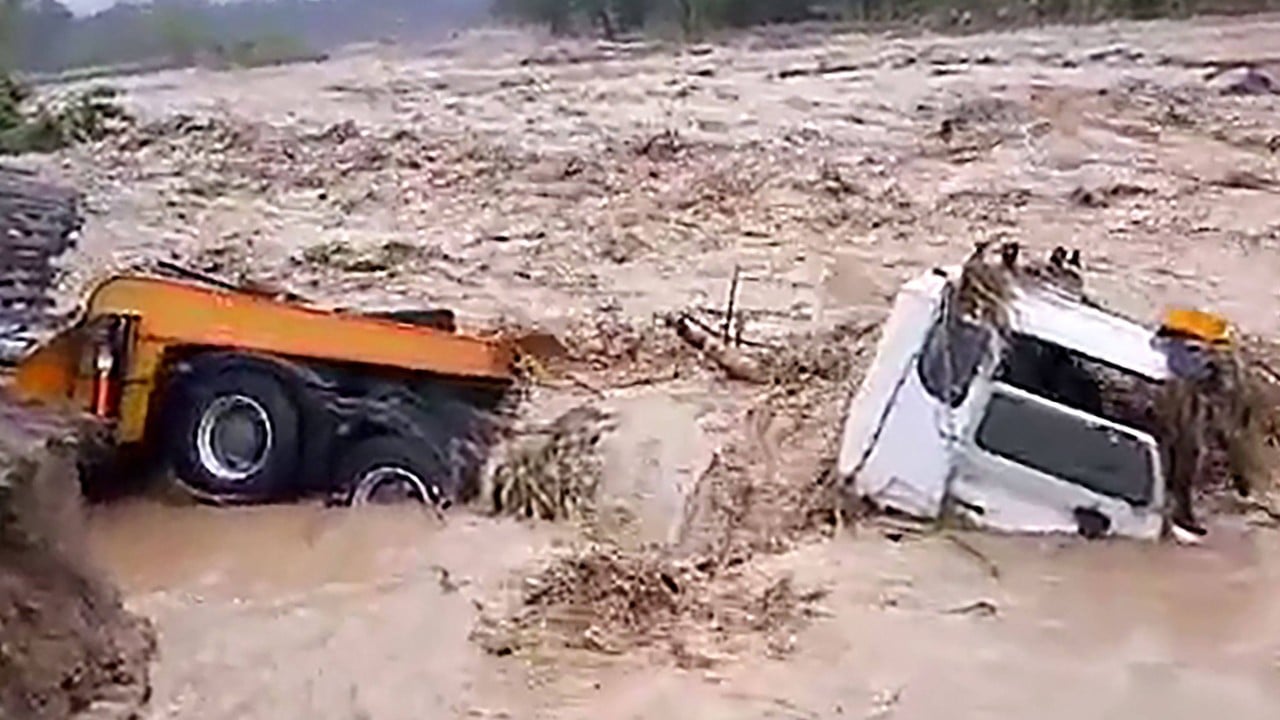
Australia has pledged A$2.5 million in emergency assistance to Papua New Guinea and the Solomon Islands after Tropical Cyclone Maila unleashed flooding and landslides that killed 11 people across the Pacific. The funding is aimed at helping remote communities recover from one of the latest severe weather disasters to hit the region, where vulnerable island nations often face the heaviest costs from extreme storms.
What Happened
Foreign Minister Penny Wong announced the aid package on Sunday, saying Australia stood “shoulder to shoulder” with its Pacific neighbours. The commitment includes A$1 million for Papua New Guinea and A$1.5 million for the Solomon Islands, two countries that have been hit by the cyclone’s most serious impacts.
Cyclone Maila triggered devastating floods and landslides, with severe damage reported in remote communities across Western and Choiseul in the Solomon Islands. The storm’s toll of 11 deaths underscores how quickly tropical cyclones can turn deadly in island nations where infrastructure is limited and access to emergency services can be difficult.
The assistance is intended to support immediate relief efforts as communities begin recovering from the destruction left by the cyclone.
Background
The South Pacific is highly exposed to tropical cyclones, especially during the region’s storm season. Low-lying islands and remote coastal settlements are often among the first places to experience flooding, road washouts, landslides and damaged homes when severe weather systems pass through.
Australia is one of the most important security and development partners for Pacific island states, and it regularly responds with disaster aid after major weather emergencies in the region. Those ties have become even more significant as climate change drives stronger rainfall events and increases the risks associated with tropical storms.
Papua New Guinea and the Solomon Islands have both faced repeated pressure from natural disasters that strain health systems, transport links and local economies. For many communities, a single cyclone can disrupt food supplies, damage schools and cut off access to markets for weeks or months.
Why It Matters
The pledge is a reminder of the Pacific’s growing vulnerability to extreme weather and the regional importance of rapid disaster assistance. In island states with sparse infrastructure and long distances between settlements, even a relatively short storm can produce a prolonged humanitarian crisis.
For Australia, the response reinforces its role as the leading emergency partner for much of the Pacific and reflects the strategic importance Canberra places on stability in its near neighbourhood. The disaster also matters more broadly for Latin America and Panama because it highlights how climate-linked shocks can threaten trade routes, food security and international cooperation across ocean regions increasingly affected by severe weather.
As Pacific nations rebuild, the scale of the damage will likely renew calls for stronger resilience measures, faster humanitarian coordination and more investment in climate adaptation across vulnerable coastal communities.