
What Happened
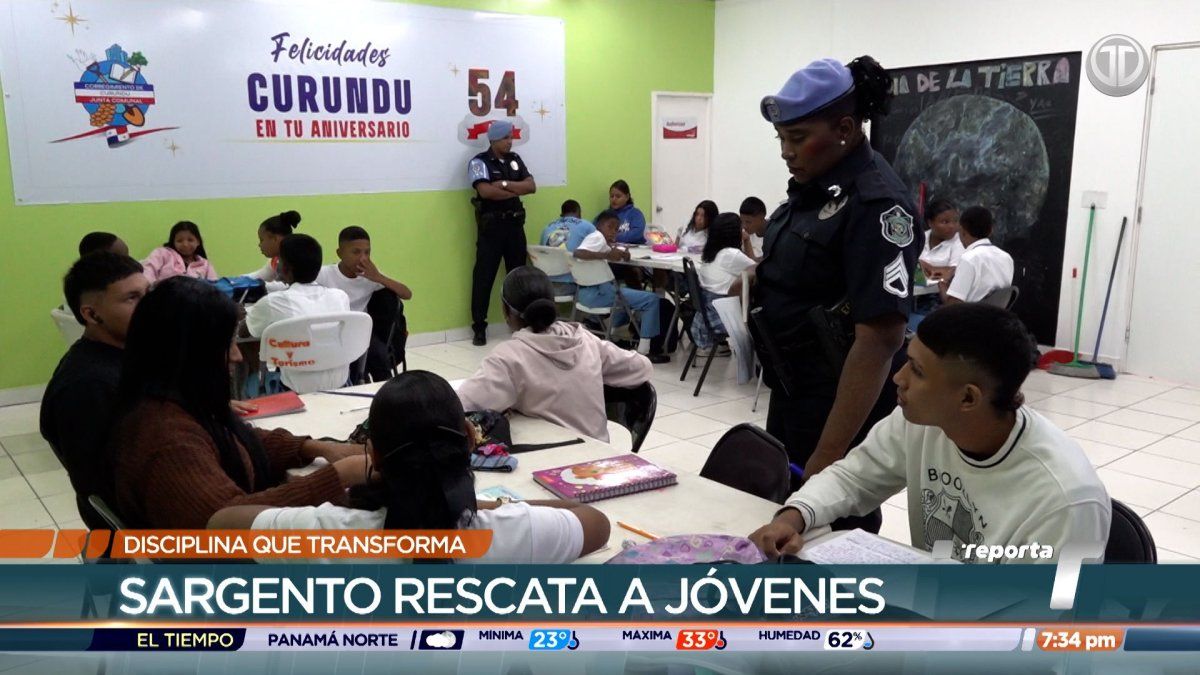
Police Sergeant Militza De León is teaching classes in Curundú with the discipline of a barracks and the dedication of a classroom teacher. Her work focuses on giving new direction to young people who dropped out of school and are now looking for a path back to learning and opportunity.
By combining authority with compassion, De León is using her vocation of service to reach students who have already stepped away from formal education. Her effort reflects a practical approach to prevention, placing guidance and structure at the center of her work with vulnerable youth.
Why Her Work Matters
In communities where school dropout rates can leave adolescents exposed to social risk, education becomes more than a classroom exercise. It can serve as a barrier against exclusion and a bridge toward stability. De León’s classroom in Curundú is part of that effort, offering young people a chance to reconnect with routine, responsibility, and learning.
Her role also highlights how public service can extend beyond traditional policing. By teaching, mentoring, and encouraging young people who have already left school, she is helping to address one of the most difficult social challenges facing many neighborhoods: keeping youth connected to positive opportunities before they fall further behind.
Curundú and the Challenge of Reengagement
Curundú has long been associated with the need for community support, education, and outreach programs that can reach young people where they are. In that setting, a figure like De León can make a difference not only through instruction, but also through the example of discipline, consistency, and commitment.
Her work suggests that reengaging students requires more than academic content alone. It also depends on trust, structure, and adults willing to insist on better outcomes while offering support. For young people who have abandoned school, that combination can be decisive in restoring confidence and opening a new path forward.
What This Means
De León’s effort stands out because it links public security and education in a single mission. Rather than waiting for problems to deepen, her work aims to intervene early by helping young people reconnect with learning and purpose.
In Panama, where education remains central to social mobility and community development, initiatives like this carry broader significance. They show how individual commitment inside public institutions can help create second chances for youth who might otherwise remain outside the school system.