
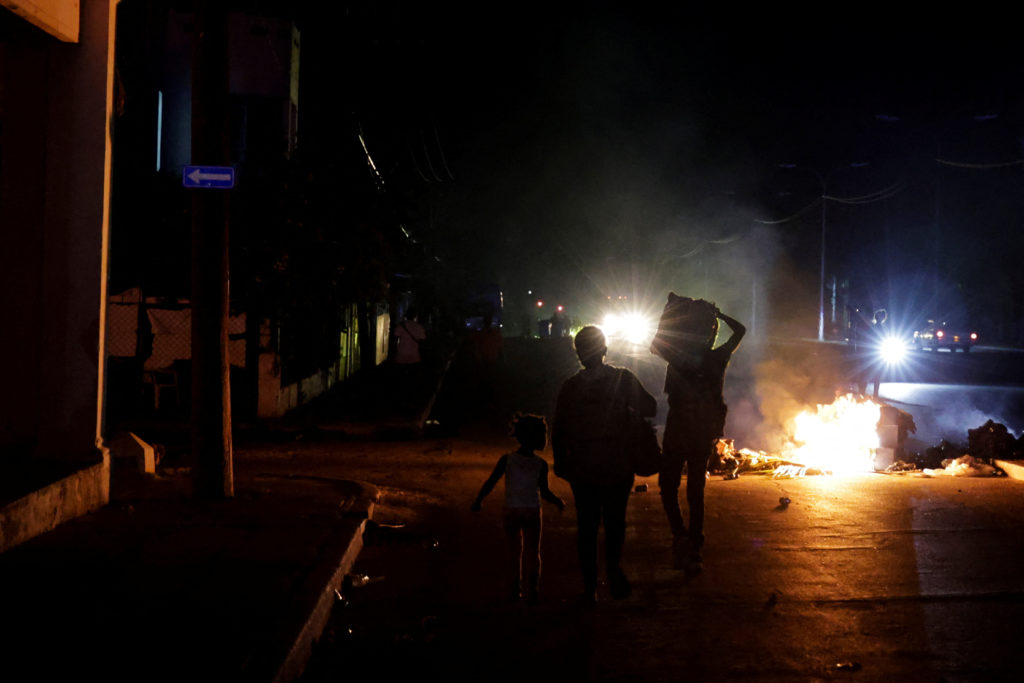
Eastern Cuba was plunged into darkness after a collapse of the island’s power grid knocked out electricity across a broad stretch of territory from Guantánamo to Ciego de Ávila. The outage affected all eastern provinces and triggered efforts by crews to restore service amid one of the most serious electricity disruptions on the island in recent months.
What Happened
The state-run Electric Union said the grid failure stripped power from Cuba’s eastern provinces, leaving homes, businesses and public services without electricity across a region that spans much of the island’s east. Workers were dispatched to restore power, but officials did not provide a timeline for when electricity would return.
The blackout extended across the provinces from Guantánamo in the far east through Ciego de Ávila farther west, cutting off a large section of the national power network. Such outages can quickly affect water pumping, communications, transportation and day-to-day commerce in areas already strained by energy shortages.
Background
Cuba has faced recurring power disruptions in recent years as its aging electrical system has struggled with fuel shortages, worn infrastructure and frequent breakdowns at generation facilities. The island’s grid is highly vulnerable to cascading failures, where a single fault can spread across multiple provinces and create widespread outages.
Blackouts have become a defining challenge for Cuban households and businesses, often disrupting refrigeration, internet access, hospital operations and basic services. In a country where electricity is essential for everything from food storage to public transit, prolonged outages can deepen economic pressure and public frustration.
Eastern Cuba is especially exposed when the grid falters because long transmission lines connect the region to generation centers elsewhere on the island. When those lines fail, restoring service can take time as technicians isolate the problem and gradually bring sections of the network back online.
Why It Matters
The latest grid collapse underscores how fragile Cuba’s energy system remains and how quickly infrastructure failures can ripple across an entire region. For residents, the immediate impact is felt in darkened homes, stalled services and uncertainty over when power will return.
The blackout also matters beyond Cuba’s borders because prolonged power instability can worsen economic stress and complicate regional planning, particularly in the Caribbean. For Panama and Latin America, Cuba’s energy crisis is another reminder of how infrastructure weakness can affect trade, migration pressures and humanitarian conditions in the wider region.
When a large section of an island nation loses power, the consequences extend well beyond inconvenience. Power outages can slow emergency response, disrupt medical care and magnify the challenges facing governments already dealing with tight resources and public demand for reliable basic services.