
What Happened
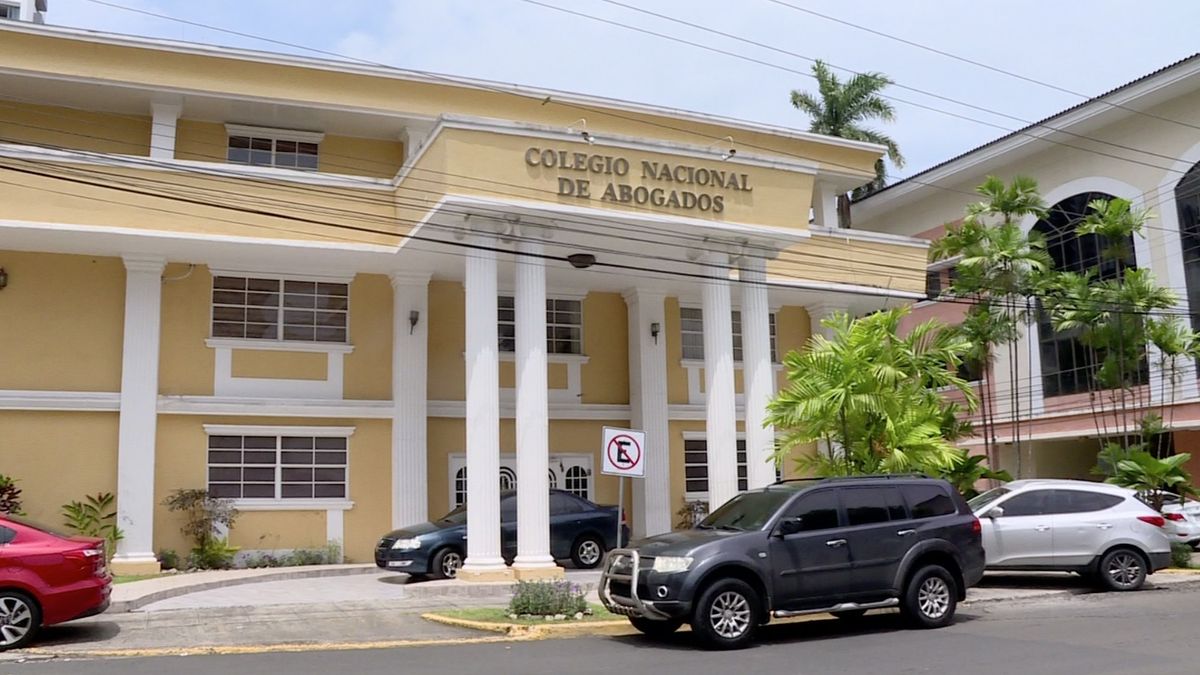
The National Bar Association of Panama rejected the conduct of officials from the Comptroller General’s Office during a proceeding at the Anticorruption Prosecutor’s Office. The criticism centers on how the officials acted while carrying out the diligence inside the prosecutorial office.
The association’s response adds pressure to an already sensitive institutional moment, as the Comptroller’s Office and the Public Ministry both play key roles in oversight and accountability matters in Panama.
Why It Matters
Disputes involving oversight bodies and prosecutors often raise broader questions about the limits of authority, procedural respect, and the balance between anti-corruption enforcement and due process. In Panama, those issues are especially significant because public trust in institutions remains closely tied to how corruption cases are handled.
The National Bar Association’s rejection of the conduct signals concern within the legal community about the manner in which state authorities are interacting in a sensitive anticorruption setting. Such reactions can influence public debate around transparency and the proper conduct of officials during investigative procedures.
Institutional Context
The Comptroller General’s Office is responsible for fiscal oversight and control of public funds, while the Anticorruption Prosecutor’s Office handles investigations related to alleged corruption offenses. When actions by one institution take place inside the operational space of another, the way those actions are carried out can become a matter of legal and institutional scrutiny.
Panama has long faced public debate over anticorruption enforcement, the independence of state institutions, and the procedures used in politically and legally sensitive cases. In that context, statements from the country’s legal profession often draw attention as part of the wider discussion about rule of law and institutional conduct.
What Comes Next
The bar association’s objection may keep attention on the relationship between Panama’s oversight authorities and prosecutors. The episode underscores how procedural disputes can quickly become part of a larger conversation about governance, accountability, and the standards expected from public officials.