
What Happened
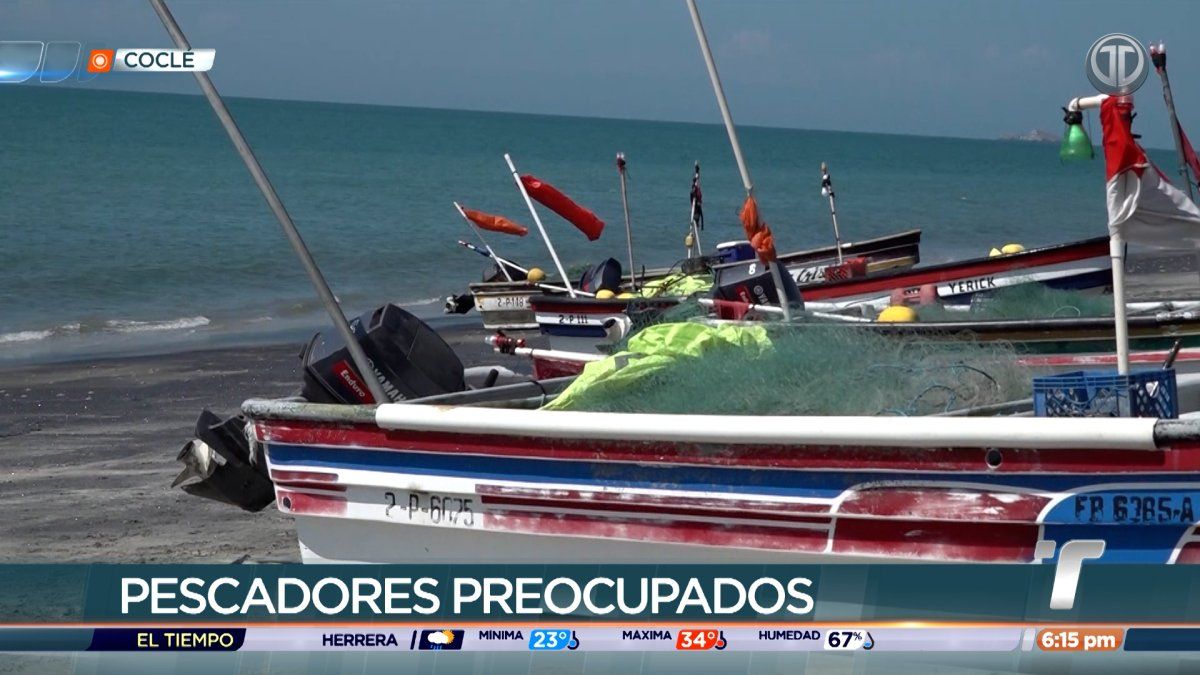
Fishermen in the central province of Coclé have expressed concern after a recent increase in fuel prices. Local fishers say the higher cost of fuel will raise operational expenses across the sector, affecting day-to-day fishing trips and the cost of bringing catch to market.
Background
Fuel is a major input for small-scale and commercial fishing operations alike: boats consume fuel for travel to and from fishing grounds, for running onboard equipment, and for transporting products to shore. When fuel prices rise, those costs are directly passed on to fishers and often ripple through the supply chain, affecting processors, transporters and consumers.
Immediate Impacts
Fishermen in Coclé are likely to face immediate budgetary pressure from increased fuel bills. That pressure can force crews to make operational changes such as reducing the frequency or duration of trips, shifting to nearer shore grounds, or increasing the price charged for fresh fish to cover higher expenses. Any reduction in fishing activity or increase in retail prices would affect local markets and household incomes tied to the sector.
Wider Implications
Beyond immediate trip-level effects, sustained higher fuel costs can alter the economics of small-scale fisheries over time. Some operators may delay maintenance or investments in gear and vessels, which can reduce productivity and safety. Consumers could face higher prices for fresh seafood, and intermediaries along the value chain may see margins squeezed if they cannot pass costs on fully.
Possible Responses
While sources in Coclé have voiced concern, responses to rising fuel costs typically include short-term coping measures by fishers and longer-term adjustments by the sector. Possible actions include seeking cost efficiencies, adjusting fishing patterns, or pursuing collective solutions such as cooperative fuel purchasing. Governmental or industry support mechanisms—if available—can help ease transitions, though specific measures for Coclé have not been reported in the initial accounts.
What This Means
The reported fuel price increase highlights the vulnerability of fishing livelihoods to energy costs. For coastal communities in Coclé that depend on fisheries for income and food, sustained higher fuel prices could translate into reduced earnings and higher seafood prices, with broader social and economic consequences for the province.