
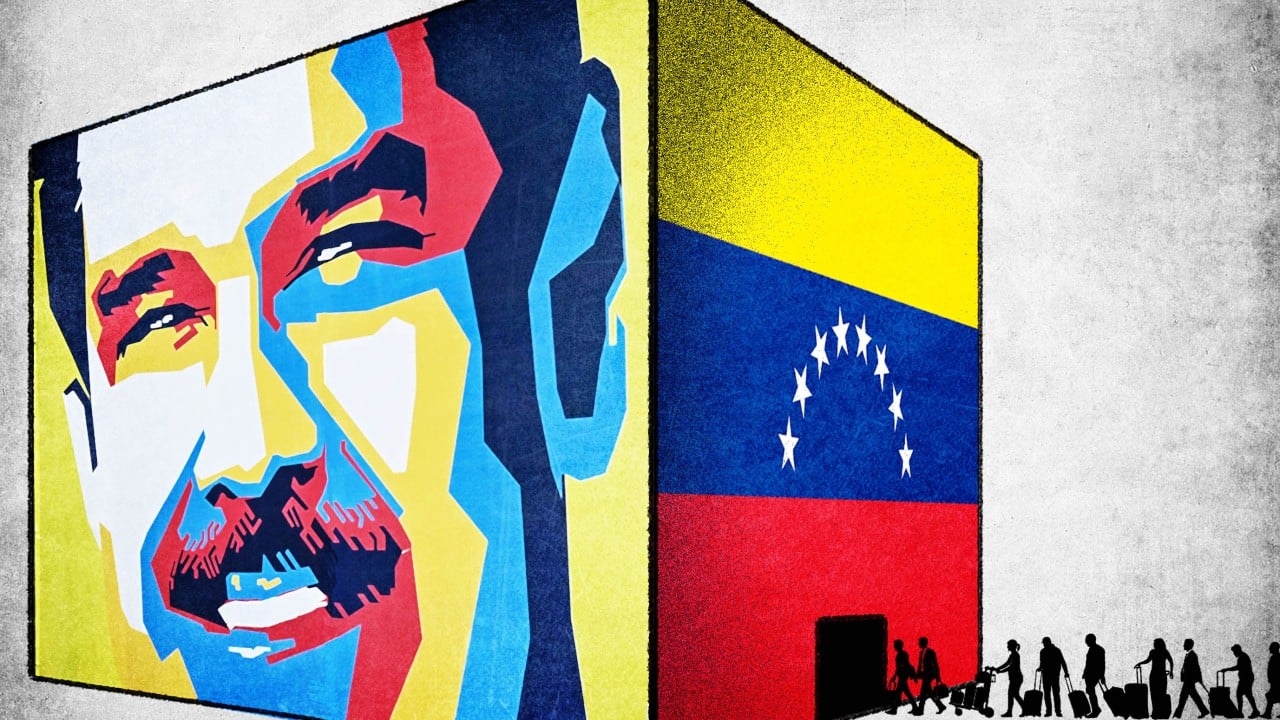
Two months after the United States captured and forcibly extradited former Venezuelan president Nicolas Maduro, a new migration pattern is emerging in Venezuela: Chinese nationals are moving to the country in search of business opportunities as the South American nation tries to settle into a fragile normalcy after the military incursion.
What Happened
Chinese migrants have begun relocating to Venezuela in noticeable numbers following Maduro’s removal, drawn by the prospect of reopening commercial space in a country that spent years under severe political and economic strain. The movement includes both newcomers and people with prior ties to Venezuela who had previously left during Maduro’s rule.
Among them is Mey Hou, a longtime Venezuela resident in her 40s who had fled the country during Maduro’s tenure. She said many people from her hometown in China are now looking again at Venezuela as a place to do business, reflecting a renewed willingness to take risks in an economy that has been deeply disrupted but is now showing signs of tentative adjustment.
Background
Venezuela has endured more than a decade of political turmoil, economic collapse, mass emigration and international isolation. Under Maduro, the country faced hyperinflation, shortages, a shrinking private sector and one of the largest displacement crises in the Western Hemisphere. Chinese migration to Venezuela is not new; for years, Chinese merchants and entrepreneurs have operated in trading, wholesale and retail sectors across Latin America, often following opportunities in markets where local supply chains have broken down or demand has outpaced domestic production.
The capture and extradition of Maduro by the United States marked an extraordinary escalation in the long confrontation over Venezuela’s future. The military incursion and its aftermath have left the country in a transitional moment, with the political and security environment still uncertain even as day-to-day life begins to stabilize. In that kind of setting, small business communities often move quickly, testing whether new conditions will create room for import, distribution and neighborhood commerce.
For Chinese migrant communities, Venezuela can offer a familiar type of frontier economy: low costs, high unmet demand and opportunities for trade in a market where many goods are imported or supplied through informal channels. At the same time, the risks remain substantial, including currency instability, regulatory uncertainty and the lingering effects of years of institutional weakness.
Why It Matters
The arrival or return of Chinese migrants is a small but revealing indicator of how quickly commercial actors respond to political change. If Venezuela becomes more stable, even gradually, it could attract traders, wholesalers and investors from abroad who see room to rebuild supply networks and serve consumers in a market long starved of reliable goods and services.
That matters beyond Venezuela. China already plays a major role in Latin America through trade, lending and infrastructure links, and migration often follows those economic ties. A new wave of Chinese business activity in Venezuela could deepen commercial connections in the northern part of South America and affect regional trade flows, especially in border areas and ports that connect Venezuela to neighboring markets.
For Panama and Central America, the story is a reminder that political shifts in South America can alter migration patterns and commercial routes across the region. Venezuela’s recovery, if it continues, could influence shipping, trade networks and the movement of people and goods through the wider Latin American economy. Even a modest reopening can ripple outward, changing how businesses source products, where migrants choose to settle and which countries become magnets for regional commerce.
For now, the movement of Chinese migrants back into Venezuela suggests that some entrepreneurs are willing to bet that a post-Maduro era may offer more opportunity than the years of crisis that came before it.