
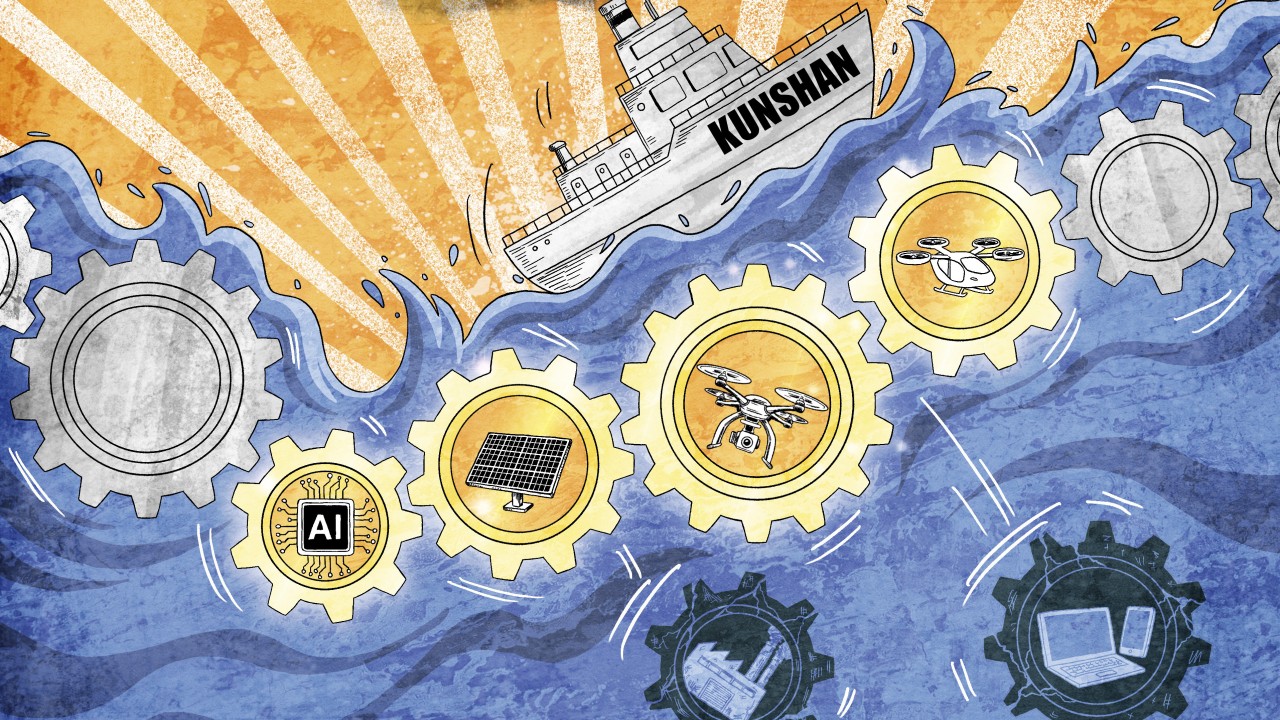
China’s long-established industrial regions are adjusting to a new economic playbook as Beijing emphasizes higher-value manufacturing, technology self-reliance and services. The country’s traditional powerhouses — coastal manufacturing bases and heavy-industrial provinces — are navigating slower export growth, domestic demand rebalancing and policy pushes that aim to reshape China’s role in global supply chains.
What Happened
China’s economic strategy has shifted from the decades-long model of rapid export-led growth and low-cost mass manufacturing toward a heavier emphasis on domestic consumption, advanced manufacturing, services and technological innovation. That shift has forced established industrial centres to pursue upgrades: moving up the value chain, investing in automation and research and development, and seeking new export markets. At the same time, the transition has exposed pressures in areas that relied on traditional manufacturing and property-driven growth, prompting local governments, state-owned enterprises and private firms to recalibrate their plans.
Background
For decades, China’s coastal provinces and manufacturing hubs built the country’s position as the world’s factory, producing a large share of global consumer goods, electronics and intermediate inputs. Over time, rising wages, tighter environmental standards and shifting global trade patterns have reduced the advantages of low-cost, labour-intensive production. In recent years, Beijing has promoted policies aimed at strengthening domestic demand and technological self-reliance — including support for semiconductors, clean energy, artificial intelligence and advanced manufacturing — while also managing financial and property-sector risks.
Those policy shifts are widely understood to be part of a broader reorientation sometimes described as prioritizing “quality over quantity” growth. Local and regional authorities that once relied heavily on export volumes and property investment now face the task of attracting higher-skilled industries, cultivating services sectors, and deploying fiscal and regulatory tools to support workers and businesses through the transition.
Why It Matters
The transformation of China’s traditional powerhouses has consequences well beyond its borders. As established manufacturing centres upgrade and some production relocates or automates, global supply chains will continue to evolve. Companies and countries that supply intermediate goods, raw materials or shipping services may see demand patterns shift. For Latin America and Panama, the implications are tangible: changes in China’s import mix can alter commodity demand and shipping volumes through major routes, including trans-Pacific trade lanes that interact with Panama’s maritime and logistics sectors.
For businesses and policymakers across the region, understanding how China’s production and consumption patterns are changing is essential. If China substitutes more domestic production for imports in high-tech sectors, suppliers elsewhere could face softer demand for certain components. Conversely, stronger Chinese demand for advanced equipment, green-energy materials or agricultural goods could present new export opportunities. Shipping and logistics operators — including those that rely on transshipment through the Panama Canal — may need to adapt to gradual shifts in container volumes and cargo composition.
The domestic implications inside China are equally significant. Cities and provinces that successfully attract higher-value industries stand to gain stable employment, higher incomes and more resilient growth profiles. Those that struggle may face social and fiscal pressures as they manage structural unemployment, declining investment in traditional sectors, and the need for retraining and social support programs. The capacity of local governments and firms to invest in innovation, education and infrastructure will shape the unevenness of the transition.
Ultimately, the story unfolding in China’s traditional powerhouses is a reminder that global economic relationships are dynamic. Businesses and governments in Panama and across Latin America will need to monitor these changes closely, adjust trade and investment strategies where appropriate, and look for new areas of cooperation as China’s economy continues to evolve.