
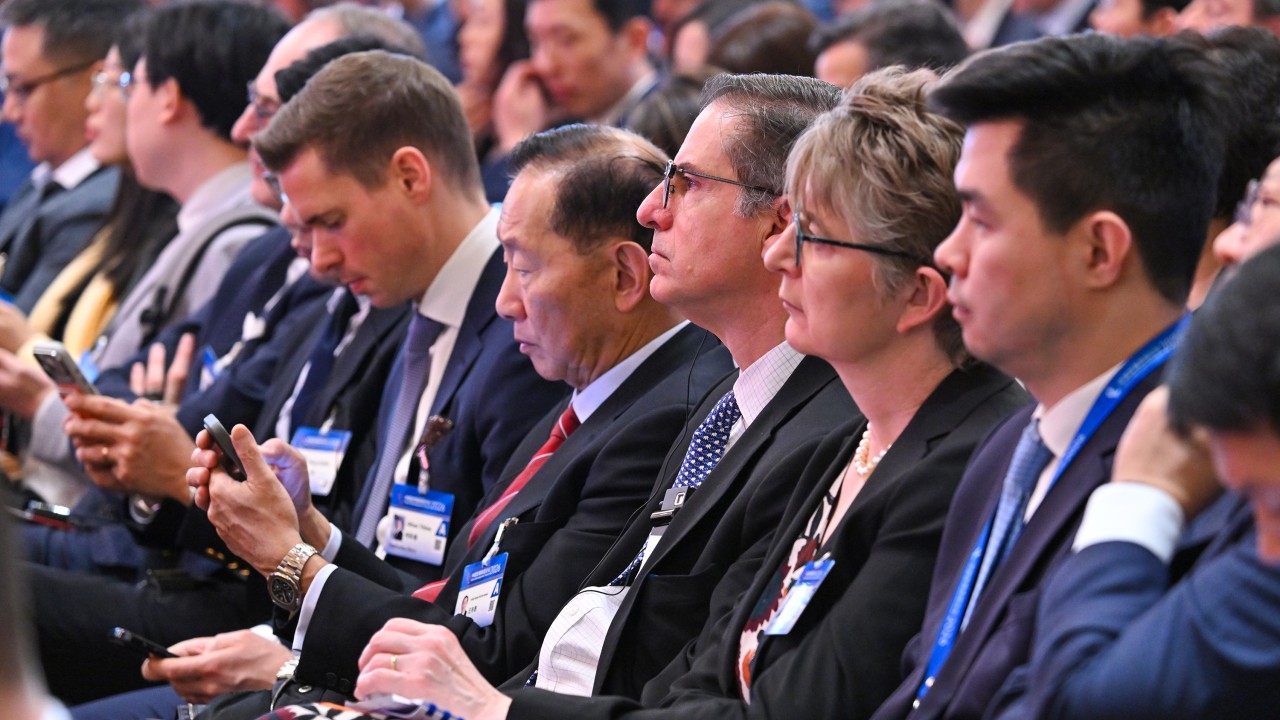
China’s top economic messaging efforts drew international attention this year as major forums—including the China Development Forum and the Boao Forum for Asia—aligned their discussions with the endorsement of the country’s 15th five-year plan.
Held in the wake of China’s annual “two sessions,” the events provided a platform for Chinese leaders to explain economic strategy and policy direction directly to foreign officials and business leaders, reflecting a continuing push to “open up” even as global audiences seek clarity on how China’s planning translates into real-world trade and investment.
What Happened
According to coverage of the two gatherings, the China Development Forum and the Boao Forum for Asia followed China’s annual political calendar, particularly the “two sessions” of the top legislative and political advisory bodies.
This year’s distinction, the report says, was that the forums also tracked developments around China’s 15th five-year plan after it was endorsed. As a result, the meetings became opportunities for Chinese leaders to engage directly with foreign officials and business participants to explain the country’s economic strategy and policies.
The article frames these events as more than routine international conferences. By tying the forums closely to the endorsed five-year plan, organizers and speakers were able to present a clearer narrative of China’s planned priorities, rather than leaving foreign audiences to infer policy direction from past statements.
Background
China’s “two sessions” typically serve as the focal point of each year’s domestic political and policy process, setting the tone for the decisions that follow. The report notes that the major economic forums closely follow this stage, reflecting how China’s domestic governance calendar and its external economic messaging are increasingly coordinated.
At the same time, the article highlights a persistent question among international observers: how much of a five-year plan actually shapes day-to-day economic outcomes and what it means for outsiders trying to understand China’s direction for trade, industry, and investment.
Five-year plans are central to how China articulates medium-term objectives, including broad priorities for growth and development. When international forums incorporate the latest plan endorsement, foreign stakeholders effectively get a direct channel to hear how leaders interpret and intend to implement those priorities.
Why It Matters
For international partners, these forums matter because they can reduce uncertainty at a time when global companies and governments look for signals on stability, market access, and policy continuity. By linking discussion to an endorsed five-year plan, Chinese officials aim to project a structured roadmap and reassure external audiences that China’s economic strategy is both planned and explainable.
For readers in Panama and across Latin America, the broader significance lies in how China’s economic policy messaging can influence the business environment for regions connected to global supply chains. When major economic powers clarify direction, it can affect trade expectations, investment planning, and the posture of multinational firms operating with links to China.
While the article does not provide specific details of announcements or policy changes at these events, the underlying thrust is clear: China is using major international economic platforms—timed to key domestic endorsements—to strengthen engagement with foreign stakeholders and to present its longer-term strategy more directly.
That approach can be particularly relevant for countries like Panama that depend on global trade flows, since shifts in the economic outlook of major trading partners can ripple through logistics, investment decisions, and regional commercial activity.