
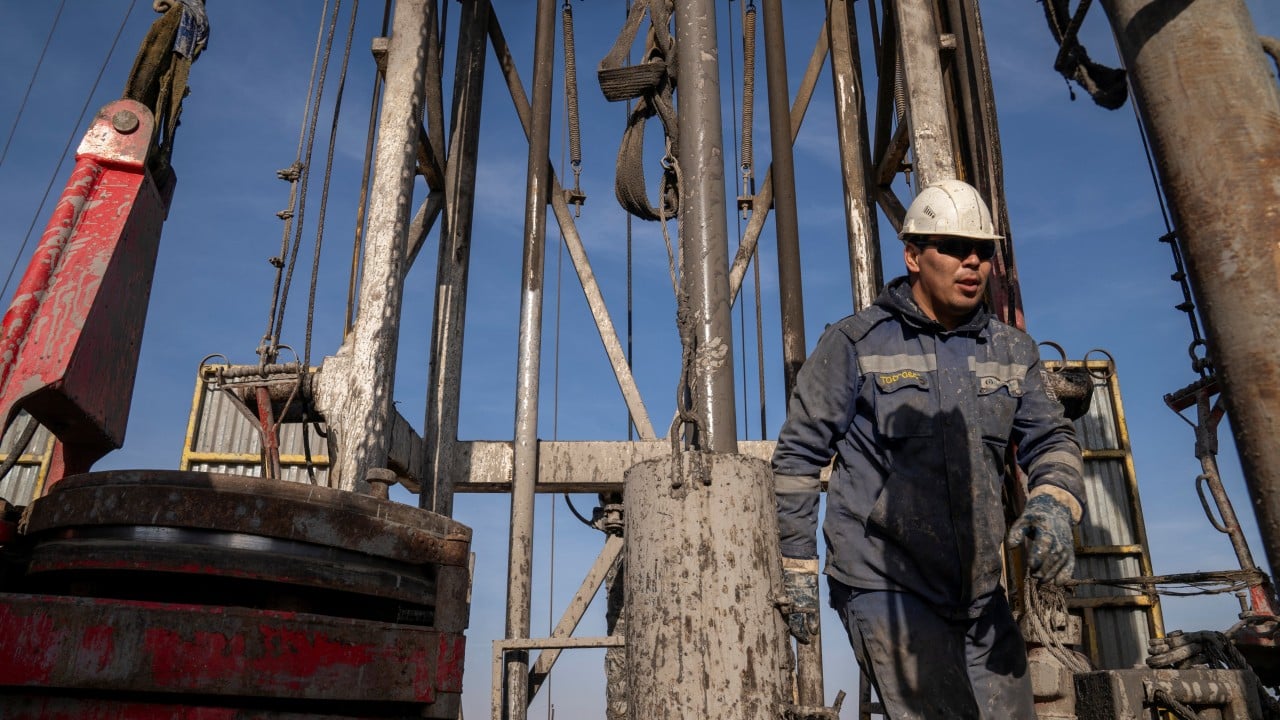
China’s growing exposure to conflict in the Middle East is accelerating a strategic rethink over where it gets its energy. As war in Iran raises the risk of disruption to shipping and oil flows through the Strait of Hormuz, Beijing is looking more closely at Central Asia as a potentially more secure source of supplies and transit routes.
What Happened
The fighting involving Iran has widened beyond a regional security crisis and is now affecting global energy markets and shipping routes. The Strait of Hormuz, one of the world’s most important chokepoints, normally carries about one-fifth of global oil and gas flows. Any prolonged interruption would threaten the movement of petroleum supplies into Asia, including the volumes China relies on from the Gulf.
That vulnerability is pushing Chinese policymakers and energy planners to assess alternatives that reduce dependence on maritime routes through unstable waters. Central Asia has re-emerged as a key option because of its land-based pipelines, proximity to western China and long-standing role in regional energy exports.
China has already invested heavily in overland infrastructure across Eurasia, including pipelines and transport corridors tied to the Belt and Road Initiative. In a period of heightened tension in the Middle East, those existing links become more attractive as a way to diversify risk and shield the economy from sudden disruption at sea.
Background
China is the world’s largest importer of crude oil, and a substantial share of those imports has traditionally moved by tanker from the Gulf. That model leaves Beijing exposed to geopolitical shocks in a region where tensions can quickly spill into shipping lanes, insurance costs and global prices.
Central Asia offers a different kind of energy geography. Countries such as Kazakhstan, Turkmenistan and Uzbekistan sit on major hydrocarbon reserves and are connected to China through pipelines and rail routes that bypass the narrow maritime bottlenecks of the Indian Ocean and the Strait of Malacca. For China, that makes the region an important part of a broader push to build resilience into its supply chains.
The war in Iran also comes at a time when many governments are rethinking how conflicts in one region can ripple through the global economy. Energy prices, freight costs and manufacturing inputs can all rise if shipping becomes more dangerous or insurance becomes more expensive. For import-dependent economies, the effect can be immediate.
Why It Matters
China’s shift toward Central Asia is not just an energy story. It reflects a larger effort by the world’s second-largest economy to reduce exposure to geopolitical flashpoints that could threaten growth and industrial stability. If maritime routes through the Middle East become less reliable, overland energy corridors gain greater strategic value.
The implications extend beyond China. Higher risk in the Strait of Hormuz can push up global oil prices, create volatility in shipping markets and add pressure to inflation worldwide. That matters for Latin America as well, including Panama, where the Canal and regional trade flows are closely linked to global freight dynamics and fuel costs.
For Panama, any major disruption to energy shipping or broader supply chains can ripple into trade activity, transport prices and the cost of goods moving through the canal system. A prolonged crisis in the Middle East would reinforce how exposed the global economy remains to chokepoint risk—and why countries are racing to diversify routes and suppliers.