
What Happened
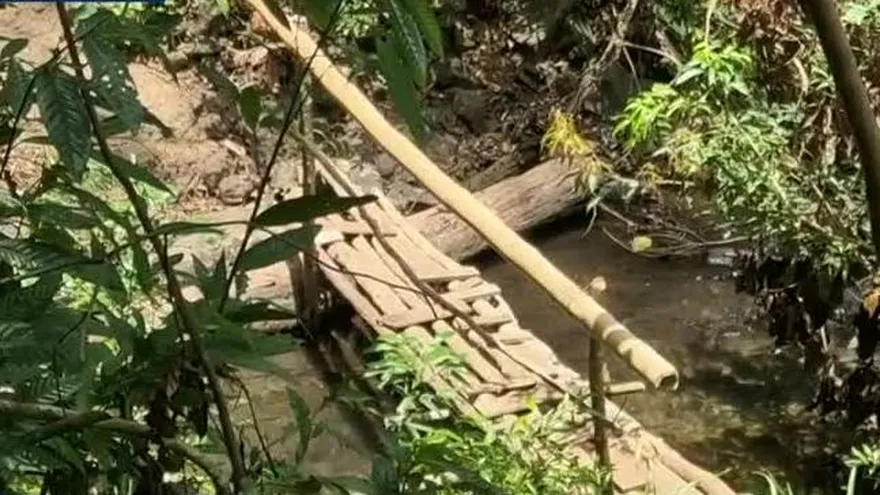
Residents in Capira have improvised a pedestrian crossing after the bridge over the Perequeté River collapsed on March 14. The structure gave way when an articulated truck loaded with corn passed over it, leaving the area without a safe passage for people who need to cross on foot.
The collapse has forced local communities to adapt quickly to continue moving between both sides of the river. The makeshift footpath reflects the urgency of the situation and the dependence of nearby residents on the bridge for daily movement.
Why the Crossing Matters
Bridges in rural and semi-rural areas of Panama often serve as essential links for families, workers, and students. When one fails, even a short detour can mean longer travel times and greater risk, especially in areas where river crossings are limited.
The Perequeté crossing is now a practical concern for the community, not just an infrastructure problem. A collapsed bridge can affect access to homes, farms, local businesses, and basic services, while also raising questions about road safety and maintenance.
Broader Context
Bridge collapses in the country highlight the importance of monitoring infrastructure that carries heavy vehicles. In this case, the passage of a loaded articulated truck triggered the failure, underscoring how vulnerable some crossings can be under significant weight.
For Capira, the improvised pedestrian route is a stopgap solution, but it also signals the need for a more durable crossing to restore safe movement across the river. Community responses like this often emerge first, before authorities or repair plans fully address the damage.
What This Means for Residents
Until a permanent solution is in place, residents must rely on the temporary crossing to get around the broken structure. The situation places added strain on daily routines and reinforces how critical local infrastructure is to life in the district.
The collapse of the Perequeté bridge is now a reminder of the risks posed when aging or overloaded structures fail, and of the resilience communities show when access to an essential route is suddenly cut off.