
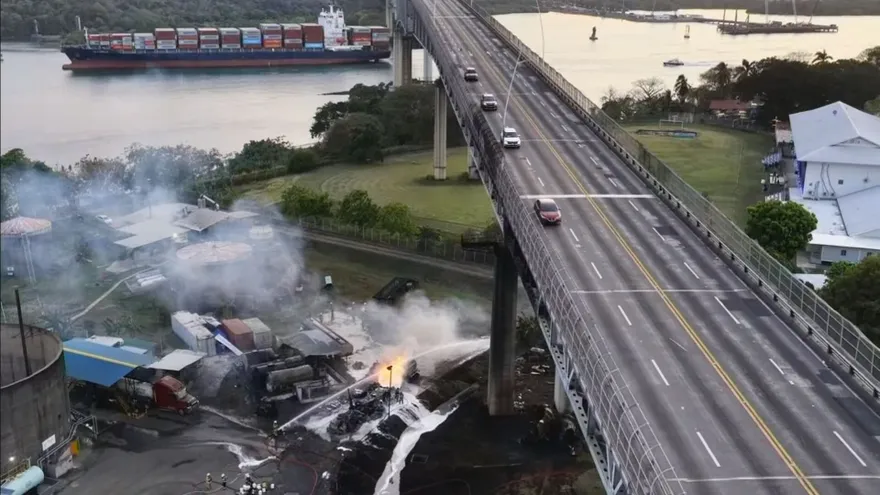
What Happened
The Bridge of the Americas remains a critical piece of Panama’s transport network and a structure that demands constant care. Engineers say the bridge requires a permanent maintenance crew to handle both preventive and corrective work, along with ongoing inspections.
The need for that attention is tied to the intense conditions the bridge faces every day. Heavy vehicle traffic, the passage of ships through the Panama Canal area, and the atmosphere around the structure all contribute to wear over time.
Why the Bridge Matters
The Bridge of the Americas is one of the most recognized links across the Panama Canal and a vital corridor for movement between different parts of the country. Any concerns about its condition draw attention because of its importance to daily traffic and national connectivity.
Structures of this kind are designed to withstand decades of use, but they also depend on steady upkeep to remain safe and functional. In a setting like Panama, where major infrastructure must operate alongside one of the world’s busiest maritime routes, maintenance becomes part of the bridge’s long-term survival.
The Engineering Challenge
According to engineers, the combination of constant vehicle loads, marine activity, and environmental exposure creates a demanding setting for the bridge. That means upkeep cannot be occasional or reactive alone. It must include routine checks and timely repairs to address damage before it becomes more serious.
This approach reflects a broader reality for large infrastructure in Panama: iconic structures can remain reliable, but only if maintenance keeps pace with usage and exposure. The Bridge of the Americas is no exception.
What This Means
For drivers, the message is straightforward: the bridge remains an essential route, but its condition depends on continued attention from those responsible for its care. For the country, it is a reminder that major public works require sustained investment long after construction is complete.
The bridge’s importance to Panama’s road network and its location beside the canal make its maintenance a matter of national interest, not just routine engineering work.