
What Happened
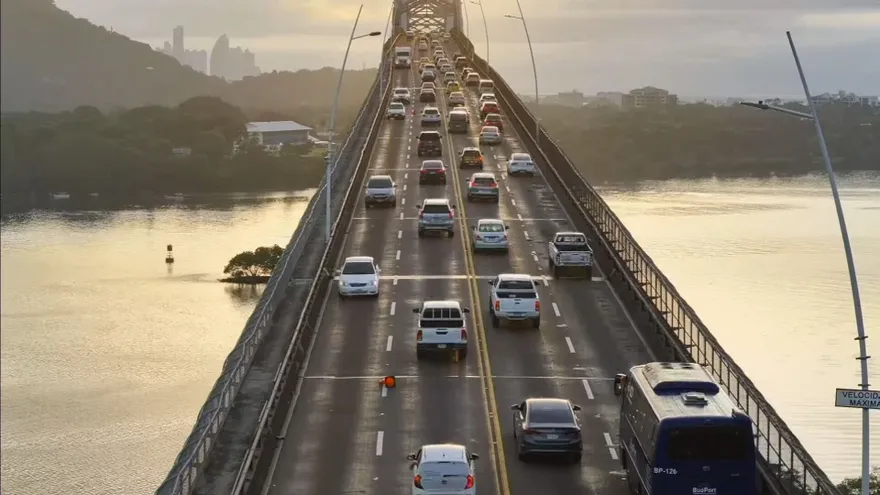
Traffic on the Bridge of the Americas partially returned to normal after a lane reversal was put in place in the afternoon. The measure is commonly used between 2:00 p.m. and 8:00 p.m. to help vehicles move more efficiently during peak travel hours.
The bridge is one of the main routes connecting Panama City with the western part of the country, so any adjustment to lane flow can have an immediate effect on daily commuting patterns.
Why the Measure Matters
Lane reversals are a practical response to heavy traffic at predictable times of day. By shifting more roadway capacity in the direction of the highest demand, authorities aim to reduce congestion and improve travel times for drivers heading into or out of the capital.
For workers, transport operators, and private motorists, the Bridge of the Americas is a key crossing point, especially in afternoon hours when traffic tends to build up. Measures like this are part of the regular traffic-management tools used to keep vehicles moving across the Panama Canal crossing.
Background on the Bridge
The Bridge of the Americas is a vital piece of Panama’s road network and one of the most recognizable links between the capital and the interior. It plays an important role in both everyday commuting and the movement of goods and services.
Because of its strategic position, changes in traffic flow on the bridge can quickly affect surrounding roads and access routes. That makes the timing of lane reversals significant for drivers planning trips across the canal area.
What Drivers Should Expect
During the afternoon and evening peak period, traffic patterns on the bridge may continue to shift as the lane reversal is applied. Drivers passing through the area often need to adjust to changing lane directions and heavier congestion at certain times.
For commuters in Panama City and nearby districts, the measure is intended to ease bottlenecks and support a more orderly flow of traffic during the busiest part of the day.