
What Happened
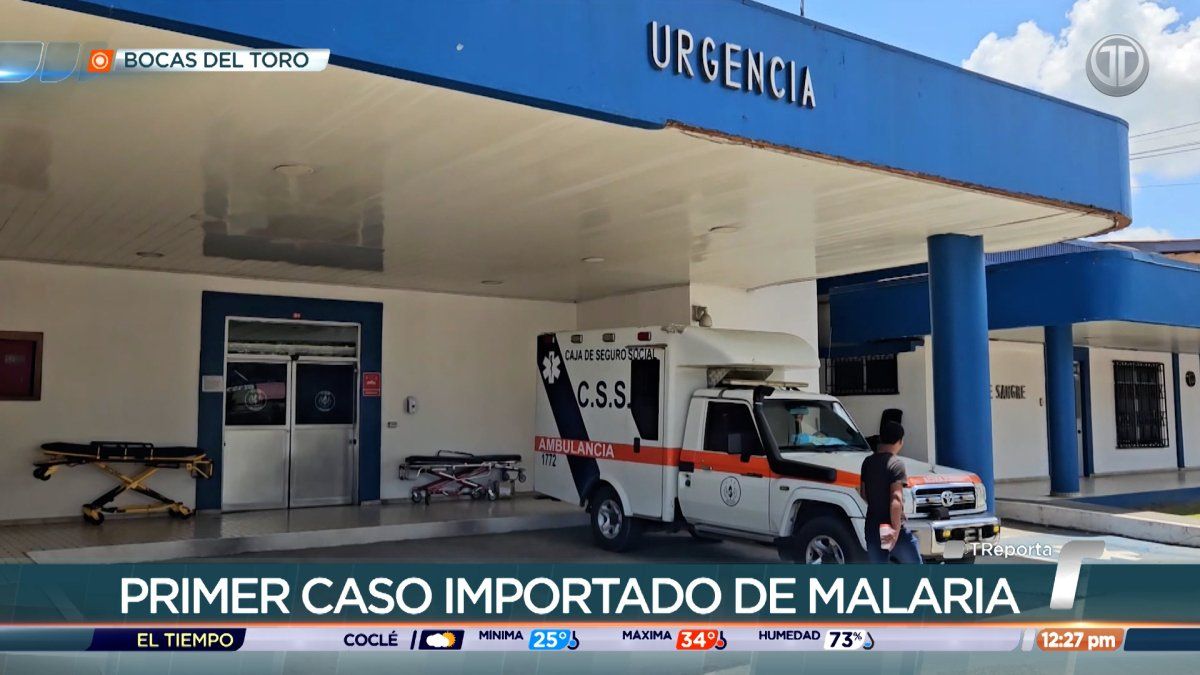
Health authorities in Bocas del Toro confirmed the first imported malaria case in the province after a member of a security force who works in Darién sought treatment at the Hospital de Almirante. Medical staff detected the infection during the evaluation.
Why It Matters
The case underscores the continued risk of malaria transmission in Panama, especially in regions connected to areas where the disease is present. An imported case means the infection was acquired elsewhere and then identified in Bocas del Toro, which can still prompt public health vigilance even when local transmission has not been confirmed.
Public Health Context
Malaria remains a disease monitored closely by health officials in Panama because of the country’s geography, mobility between provinces, and the presence of regions with higher exposure risk. Darién has long been one of the areas under close attention due to its conditions and movement of people across the eastern part of the country.
Cases detected in hospitals help authorities track possible exposure patterns and reinforce prevention efforts. In provinces such as Bocas del Toro, where tourism, border movement, and local travel can increase contact between communities, early detection is an important part of limiting broader health impacts.
What Comes Next
The confirmation of an imported case highlights the need for continued surveillance, timely diagnosis, and public awareness about malaria symptoms and prevention. Health teams in Panama routinely monitor suspected cases to reduce the chance of further spread and to respond quickly when infections are found outside their place of origin.