
What Happened
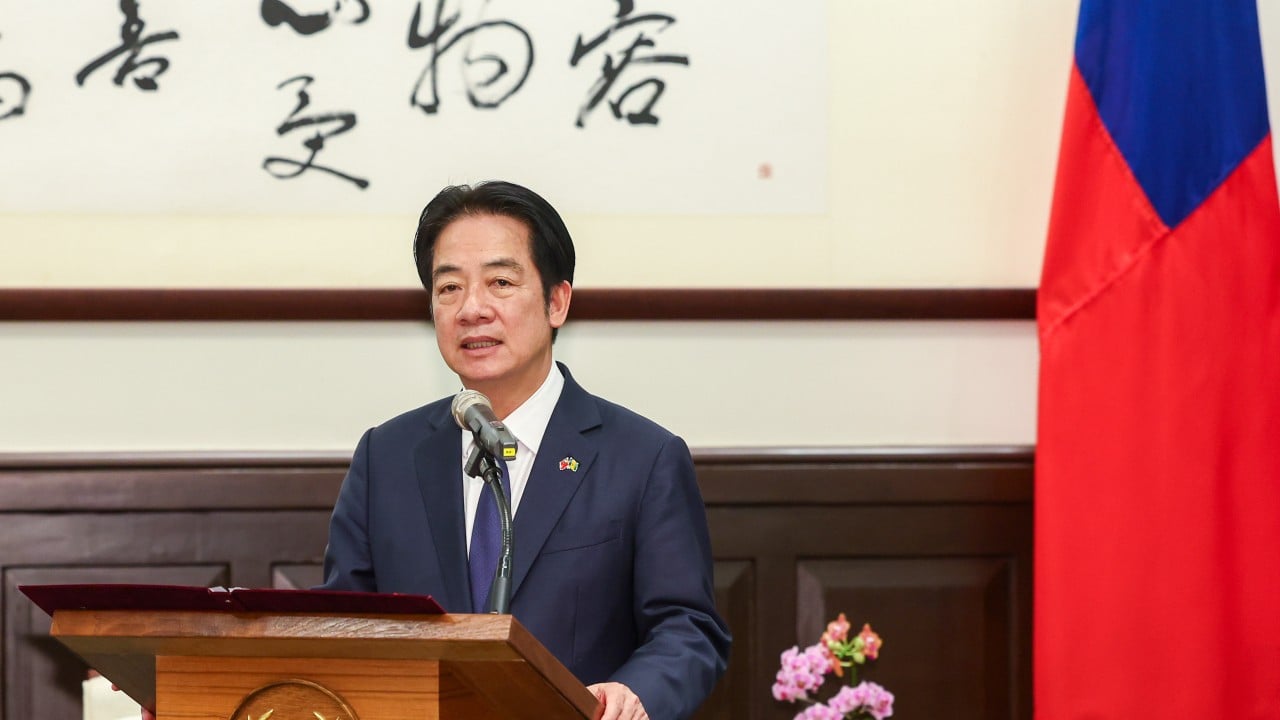
Beijing has accused Taiwanese leader William Lai Ching-te of “glorifying Japanese colonial rule” following a recent speech, the Chinese state response said. The People’s Liberation Army also stepped up the number of aircraft sorties around Taiwan after Lai’s remarks, which he made on Saturday at an event marking the 30th anniversary of Taiwan’s first direct elections.
Details of the Speech
Lai, a member of the independence-leaning Democratic Progressive Party (DPP), spoke at the anniversary event and criticised the early days of Kuomintang (KMT) rule over Taiwan under Chiang Kai-shek. Beijing’s statement singled out parts of his remarks as praising the period of Japanese colonial rule on the island, an accusation that the DPP leader has disputed in past contexts, though the specific exchange and any direct rebuttal to Beijing were not detailed in the initial report.
Military Response
According to the report, the PLA increased aircraft activity around Taiwan following the speech. Chinese military flights near Taiwan have been a recurring element of cross-strait pressure in recent years; in this instance Beijing framed the sorties as a response to Lai’s remarks. The report did not provide figures for the number of flights or detail the types of aircraft involved.
Background
The incident occurred during a public event commemorating three decades since Taiwan’s first direct presidential election — a milestone that remains politically significant on the island. Lai leads the DPP, a party often described as leaning toward a distinct Taiwanese identity, while the KMT traditionally supports closer ties with Beijing and traces its governance in Taiwan to the post-World War II era under Chiang Kai-shek.
What This Means
The exchange underscores ongoing sensitivity in cross-strait relations over history, national identity and the symbolism of public statements. An uptick in PLA sorties following political remarks can increase regional tensions and prompt international scrutiny, including from countries and businesses with interests in East Asian security and trade routes. For Panama and Latin America, heightened cross-strait tensions can matter indirectly through potential disruptions to global supply chains and maritime traffic that affect trade flows.
Outlook
Officials in Taipei and Beijing often use official statements and military activity to signal positions to domestic and international audiences. Further developments will depend on follow-up statements from both sides and any diplomatic engagement that may follow the allegations and military demonstrations.