
What Happened
The Agricultural Development Bank disbursed $33.5 million in loans during 2025 to producers across Panama, supporting the government’s effort to strengthen food security and rural production. The financing reached producers in 742 communities and covered more than 50 agricultural items.
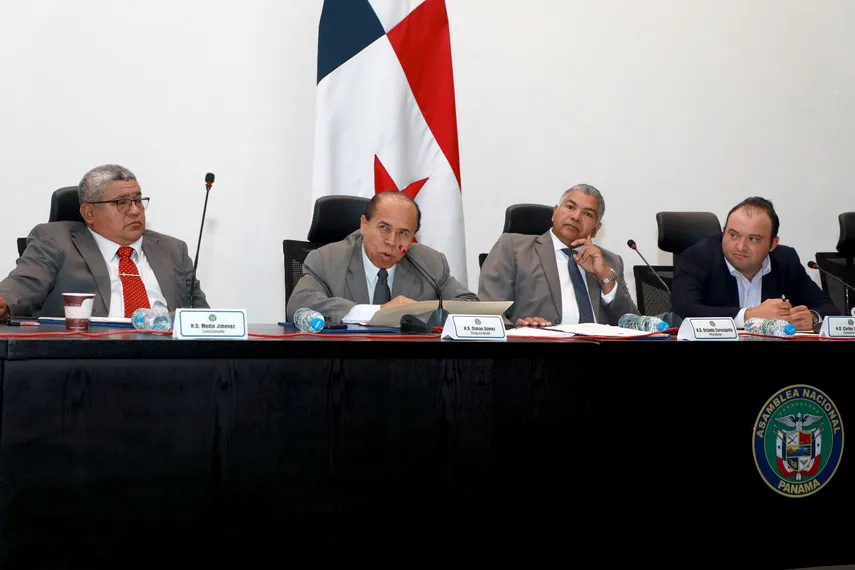
General Manager Francisco Mejía presented the institutional report to the Agricultural Affairs Committee of the National Assembly, in line with current regulations. The bank said its lending focused on micro and small producers, national production, and food security.
How the Funds Were Used
The loan program was directed at rural producers in different parts of the country, reflecting the BDA’s role as a public development bank for the agricultural sector. By reaching hundreds of communities, the financing aimed to support a wide range of farm activities and production chains.
The emphasis on small producers is significant in Panama’s agricultural economy, where access to credit can shape planting, harvesting, livestock management, and investment in equipment or inputs. Support for national production also fits broader efforts to reduce dependence on imported food and stabilize local supply.
Cost Cuts and Internal Restructuring
The report also highlighted savings of $4.8 million a year through internal optimization measures. Those savings came from lower payroll expenses, reduced fuel consumption, vehicle disposal, and branch reorganization.
These changes are part of a modernization process under President José Raúl Mulino’s administration. The measures suggest the institution is working not only to expand lending, but also to reduce operating costs and streamline its structure.
Transition Toward the Agricultural Development Institute
Officials also outlined progress on creating the Agricultural Development Institute, known as IFA, which is expected to replace the BDA as part of the State modernization plan. The process has included reactivating the Board of Directors, setting up a working group for the bill, and forming an inter-institutional technical committee in March 2026.
The proposed transition signals a possible restructuring of Panama’s public agricultural financing model. If implemented, the change would reshape how the State supports producers and administers rural credit, at a time when food security remains a central policy priority.
Why It Matters
The combination of new lending, internal savings, and institutional reform places the agricultural sector at the center of Panama’s development agenda. For producers, especially smaller ones in rural communities, access to financing can determine whether farms expand, modernize, or remain vulnerable to costs and market pressures.
For the government, the figures also provide a snapshot of how public institutions are being reorganized to improve efficiency while maintaining support for domestic production. The next phase of the IFA plan will be closely watched as Panama moves toward a new structure for agricultural development.