
What Happened
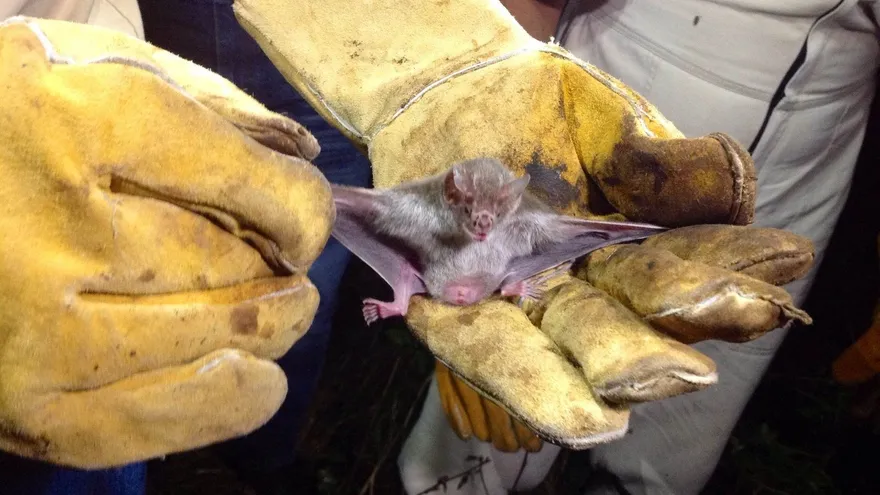
The Ministry of Agricultural Development carried out a bat control operation in southern Veraguas as part of a broader effort to support livestock producers in the area.
The work also included a review of cattle to detect the presence of screwworm, giving ranchers a more complete veterinary response during the field visit.
Why It Matters
Bat control is closely tied to livestock protection in Panama, especially in rural cattle-raising regions where animals can be exposed to bites and other risks linked to wildlife interaction. These kinds of operations are part of preventive animal-health measures that help reduce losses for producers.
The cattle inspection for screwworm detection is also significant because early identification is key to protecting herds and avoiding wider damage in livestock zones. By combining both tasks in one day, authorities provided direct support to producers who depend on healthy cattle for their income.
Background
Veraguas is one of Panama’s important livestock-producing provinces, and animal health campaigns in the region are a regular part of efforts to safeguard rural production. Veterinary controls such as these are designed to strengthen biosecurity, improve herd health and limit the spread of pests and diseases that affect cattle ranching.
What This Means for Producers
For cattle owners in southern Veraguas, the operation represents practical assistance in the field, with attention focused on both wildlife-related risks and livestock disease monitoring. Measures like these help reinforce confidence in the sector and support day-to-day farm management.