
What Happened
On Friday, March 20, 2026, new fuel prices took effect across Panama, registering a significant increase at service stations nationwide. According to local reports, 95-octane gasoline rose by 20 centavos per liter, 91-octane gasoline increased by 18 centavos per liter, and diesel climbed by 30 centavos per liter. The announcement prompted many drivers to top up their tanks the night before the change.
Immediate Reaction
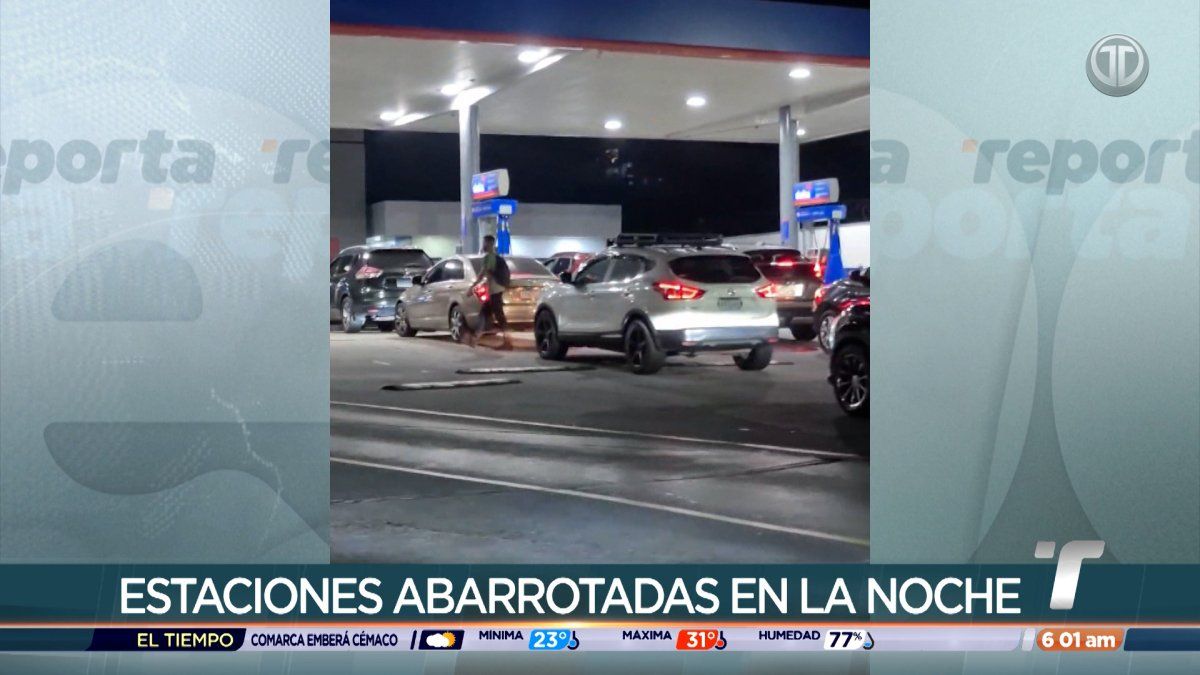
Reports say that on Thursday night several motorists visited service stations to fill their vehicles ahead of the price increase. The early rush at pumps reflects consumer concern about the immediate impact on household and transport expenses.
Background
The change in pump prices was announced to take effect this Friday. While the official notice did not specify a single cause in the item covered, adjustments to retail fuel prices typically respond to factors such as international oil market movements, wholesale import costs, currency variations, distribution and refining expenses, and domestic tax or subsidy policies.
What This Means
For drivers and businesses that depend on road transport, the per-liter increases—though they may seem modest at the pump—can translate into higher monthly fuel bills and elevated operating costs for freight and public transport. Households may see tighter budgets for discretionary spending if commuting or transport costs rise.
Smaller businesses with narrow margins that rely on transportation could be particularly sensitive to sustained fuel-price increases. Transport operators, delivery services, and agricultural producers often pass higher fuel costs through to consumer prices, which can contribute to inflationary pressure on certain goods and services.
Outlook and Next Steps
Consumers and businesses will be watching for any government statements or future price updates. Fuel prices are typically reviewed periodically, and subsequent adjustments could follow depending on market conditions and policy decisions. For now, the new rates are in force and motorists across the country are adjusting their fuel spending accordingly.