
What Happened
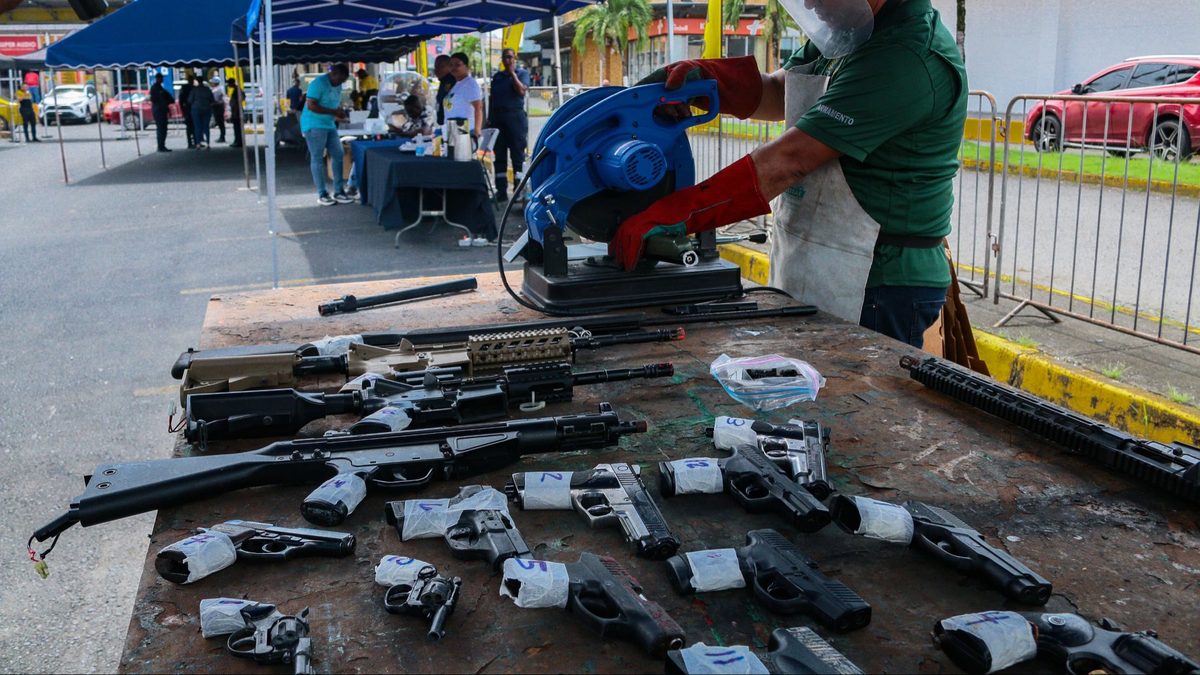
Plaza 5 de Mayo in Panama City will host the Armas por Comida program on Monday, April 13. The initiative invites people to turn in weapons in exchange for food, as part of a public safety effort in the capital.
The event is scheduled to take place in one of the city’s most recognizable central gathering points, drawing attention to ongoing concerns about weapons in urban communities and the role of voluntary surrender programs in reducing risk.
Why It Matters
Weapons exchange campaigns are often used to encourage people to remove firearms or other dangerous items from homes and neighborhoods without facing criminal consequences for participating. In Panama, these efforts are part of broader community safety strategies that seek to reduce the number of weapons in circulation.
Holding the program in Plaza 5 de Mayo also gives the campaign high visibility in a busy area of the capital, which can help increase participation and awareness. Public programs like this can serve as a reminder that prevention measures are a key part of addressing violence and insecurity.
Background
Armas por Comida is a simple exchange model: people bring in weapons and receive food in return. These programs are designed to make surrendering weapons more immediate and accessible, especially for households that may want to get rid of firearms or other items that pose a danger.
Plaza 5 de Mayo has long been a landmark in Panama City, and events held there often attract public attention because of the area’s central location and historical significance. Using such a site for a safety campaign helps place the issue directly in the public eye.
What Residents Should Know
The program takes place on April 13 at Plaza 5 de Mayo. Anyone considering participating should arrive prepared to follow the event’s procedures and exchange requirements. The campaign’s central message is straightforward: fewer weapons in circulation can help create safer neighborhoods.
As cities across Latin America continue to confront the impact of weapons and violence, voluntary surrender initiatives remain one of the more visible tools governments and communities use to promote prevention and reduce immediate risks.