
What Happened
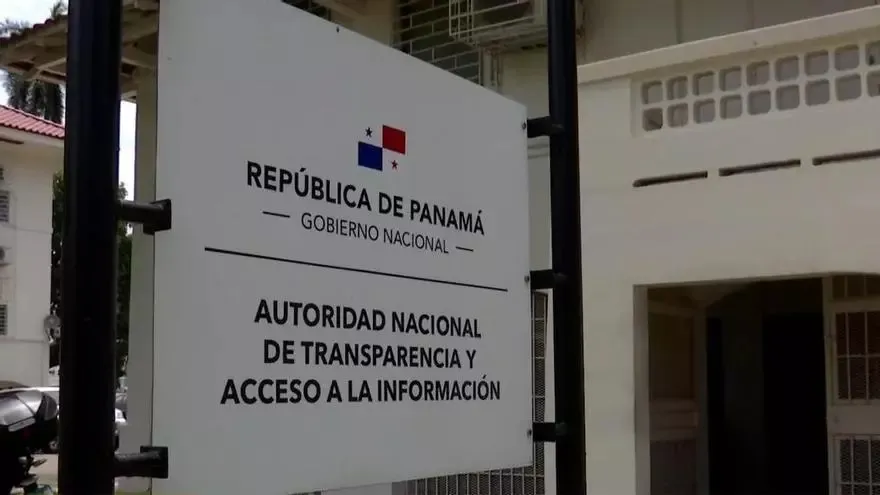
Panama’s National Authority for Transparency and Access to Information, known as Antai, has opened an investigation into 10 municipalities that did not submit reports on how public funds were used. The agency stressed that transparency is not optional, but a legal duty and an ethical commitment to citizens.
The case centers on the basic obligation of local governments to account for the use of public money. By failing to deliver those reports, the municipalities have drawn scrutiny over compliance with public accountability rules.
Why It Matters
Municipal governments handle resources that affect daily services, local works and community priorities. When spending reports are not delivered, residents are left without a clear view of how funds were administered or whether those resources were used properly.
Antai’s move reinforces the expectation that public institutions must keep records and disclose how taxpayer money is managed. In Panama, transparency rules are designed to strengthen trust in government and reduce opportunities for misuse of public resources.
Transparency and Public Accountability
The watchdog’s position reflects a broader push for openness in public administration. Local authorities are expected to comply with reporting duties as part of their institutional responsibility to citizens. When that does not happen, oversight bodies can step in to review whether legal obligations were ignored.
The investigation also sends a warning to other public offices across the country. Transparency requirements are not limited to central government agencies; they also apply to municipalities, which oversee budgets and services at the local level.
Background
Antai is responsible for promoting access to information and monitoring transparency standards in Panama’s public sector. Its role includes ensuring that state entities provide the information needed for citizens to follow how public resources are used.
By focusing on municipalities that failed to submit their spending reports, the agency is highlighting a recurring principle in public administration: accountability must be documented, not assumed. For residents, those records are one of the clearest tools available to examine local government performance.