
What Happened
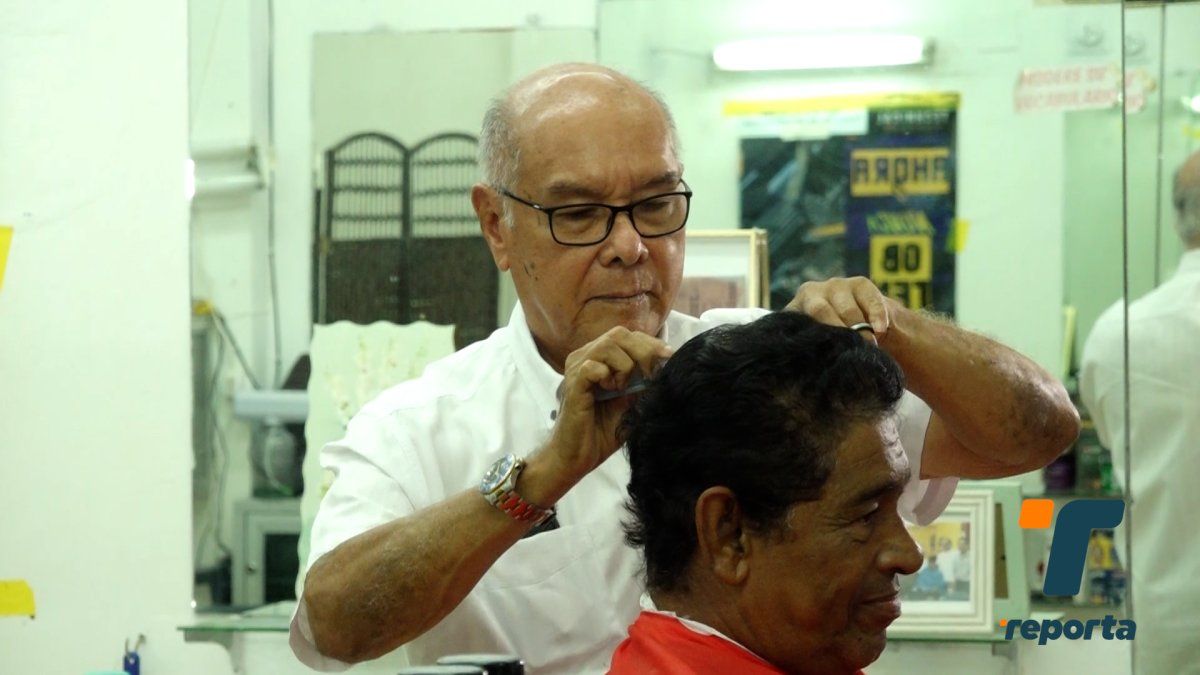
Aníbal Ureña remains behind the barber chair at 81, continuing to serve clients in David, one of Panama’s main cities in the province of Chiriquí. He says he is proud of his profession and has spent decades building a life around the trade.
Ureña recalls helping found one of David’s oldest barbershops in the 1970s with three other workers. The shop became part of the city’s daily rhythm and a steady place of work for him over the years.
A Career That Supported His Family
Barbering did more than provide a livelihood. Ureña says the job helped him educate his children and also pay for his retirement, underscoring how a skilled trade can sustain a family across generations.
His story reflects the value of long-term work in Panama’s local economies, where small businesses and personal services remain an important part of urban life. In places like David, neighborhood barbershops are often community spaces as well as businesses.
Pride in an Enduring Trade
Ureña’s experience shows the staying power of an occupation that depends on trust, consistency and personal reputation. Even after decades in the profession, he continues to identify strongly with the work and the role it has played in his life.
As Panama continues to modernize, stories like his highlight the people who have built careers through craftsmanship and service rather than through large companies or formal office jobs. For Ureña, the barber chair has remained both a workplace and a source of personal pride.