
What Happened
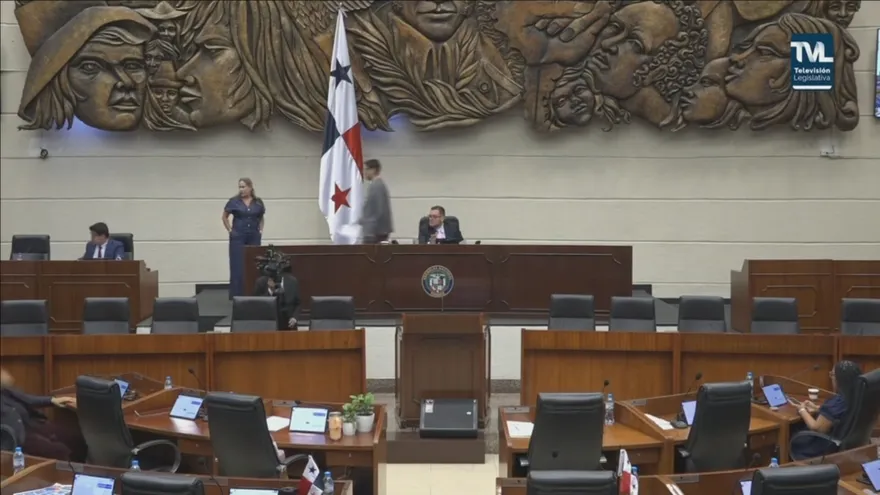
Panama’s National Assembly chose Ángela Russo as the country’s new defensor del Pueblo, or human rights ombudsman, in a vote that drew backing from multiple caucuses. Russo, a former magistrate of the Supreme Court of Justice, secured 37 votes in favor.
The support came from lawmakers in Realizando Metas, Cambio Democrático, the Panameñista party, the Mixed Caucus, and perredista deputy Jairo Salazar. The result marks a significant personnel decision for an office that plays a central role in overseeing the protection of citizens’ rights and monitoring public institutions.
Why the Vote Matters
The ombudsman’s office is designed to serve as an independent check within Panama’s democratic system, handling complaints and defending constitutional rights. Because of that role, the selection often carries political weight and can signal how different legislative blocs are aligning on institutional appointments.
Russo’s background as a Supreme Court magistrate places her among the country’s most experienced legal figures. That judicial experience may shape expectations around how she approaches oversight, due process, and the handling of citizen complaints once she assumes the post.
Political Context
The distribution of votes reflects cooperation across parties that do not always move together on major decisions. Backing from several legislative groups suggests that Russo gathered enough support to emerge as a consensus choice in the chamber.
Appointments to senior oversight roles often draw attention in Panama because they affect public confidence in institutions. The defensor del Pueblo is expected to act independently, which makes the composition of legislative support especially relevant to observers following governance and institutional balance in the country.
What Comes Next
With the Assembly vote completed, Russo is set to take on a post that will place her at the center of complaints related to rights, public services, and state conduct. Her tenure will likely be watched closely by lawmakers, civil society, and citizens seeking stronger institutional accountability.
Her election adds a new chapter to the ongoing debate over how Panama selects figures for key oversight positions and how those leaders navigate the relationship between political support and institutional independence.