
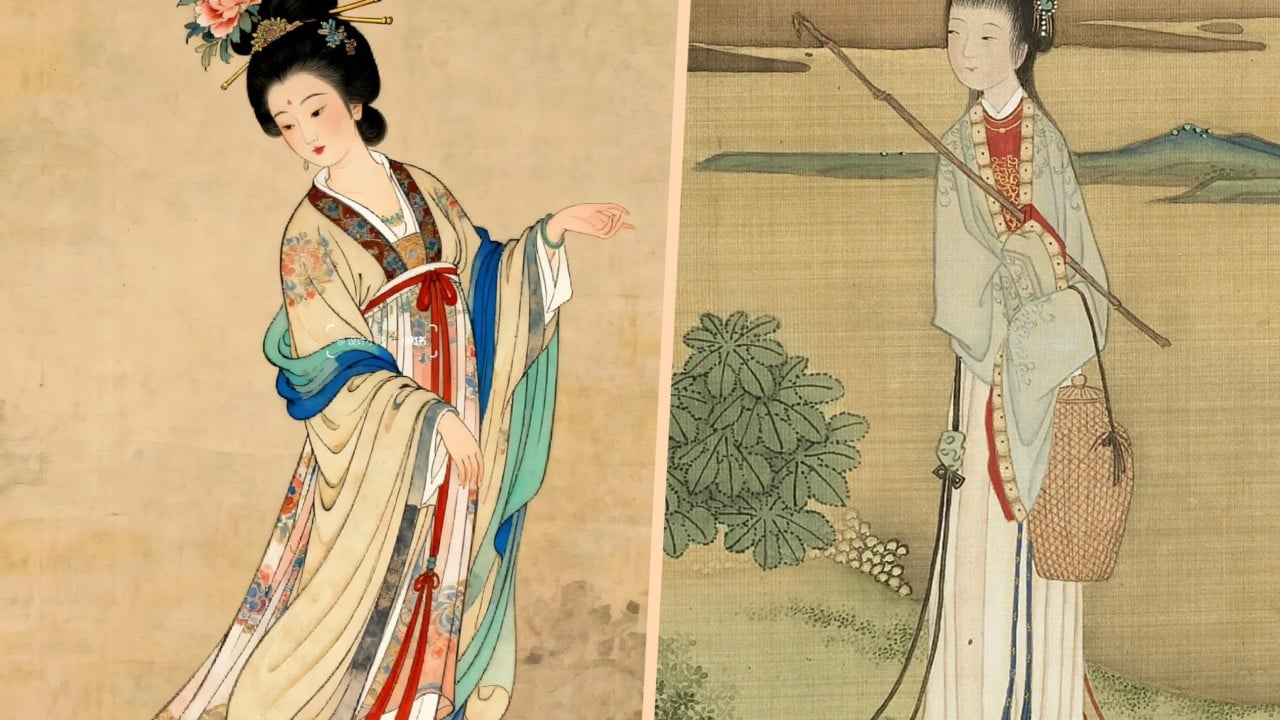
Long before modern diet trends, some women in ancient China reportedly took extreme steps to achieve slender bodies — swallowing pieces of silk, eating cactus or limiting themselves to a single meal a day — according to a report by the South China Morning Post. The practices reveal a complex and shifting history of beauty ideals rather than a single, uniform preference for plumpness.
What Happened
The recent South China Morning Post piece highlights a range of extreme practices women used to alter their bodies in pursuit of thinness. Examples include swallowing bits of silk, consuming cactus, and severe meal restriction. These behaviours, reported in historical records and accounts discussed in the article, reflect intense social pressure on women to meet prevailing standards of physical appearance.
Background
Many people assume that fuller figures were universally prized in historical China, but the reality appears more nuanced. The Tang dynasty (618–907) is often cited as a classic era associated with more voluptuous ideals — a view reinforced by the prominence of figures such as the female sovereign Wu Zetian and the celebrated consort Yang Yuhuan. Yet, as the South China Morning Post report notes, plumpness was not the sole or constant standard across time and place.
Why This Matters
The report underscores how beauty ideals have long driven sometimes dangerous practices. The historical examples remind readers that body image pressures are not a new phenomenon and that standards of attractiveness have varied across periods and social groups. While the specifics — swallowing silk or eating cactus — are rooted in particular historical contexts, the underlying dynamic of social pressure to conform to an aesthetic ideal has clear echoes in the present.
Regional Relevance
For readers in Panama and Latin America, the story offers a historical lens on contemporary debates about dieting, body image and gendered expectations. Although the cultural specifics differ, the phenomenon of extreme measures taken to meet beauty ideals is a common human thread and may resonate with modern conversations about media influence, health and social norms in the region.
The South China Morning Post article invites further reflection on how societies define beauty and the costs those definitions can impose. Understanding the historical diversity of ideals can help contextualize present-day pressures and encourage more nuanced conversations about appearance, health and cultural change.