
What Happened
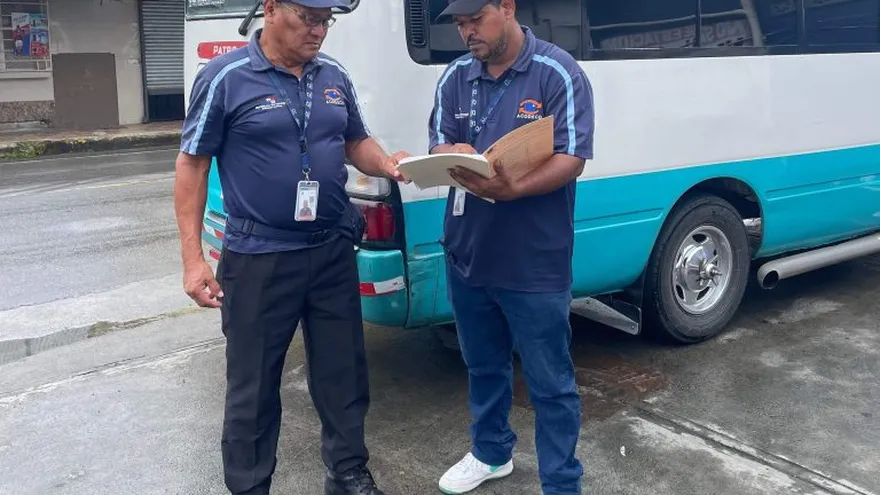
Panama’s consumer protection authority sanctioned a transport unit operating on the Changuinola–David route after finding that it was not displaying required information for passengers. The vehicle lacked posted fares and did not show notices about discounts for certain groups of the public.
The enforcement action underscores the obligation of public transport operators to keep passengers informed about prices and fare benefits before boarding. In Panama, clear fare information is a key consumer-rights issue because it allows travelers to compare costs and verify whether they qualify for reduced rates.
Why It Matters
Transport routes linking Changuinola and David are important for movement between Bocas del Toro and Chiriquí, serving commuters, workers, students, and travelers. When fare information is not clearly displayed, passengers may face confusion, disputes, or overcharges, especially on long-distance routes where prices and discounts can vary.
Rules on visible pricing and discount notices are intended to promote transparency and protect consumers who depend on interprovincial transport services. Sanctions in cases like this also send a message to operators that compliance is part of providing a lawful service, not an optional extra.
Consumer Protection in Panama
Acodeco regularly acts against businesses and service providers that fail to meet information and transparency requirements. In public transport, those standards are especially important because passengers often have limited leverage once they are at the terminal or already on the route.
Clear fare signage and discount notices are designed to reduce conflicts and make service conditions visible to everyone, including people who are entitled to special rates. The penalty against the Changuinola–David route unit reflects the broader effort to reinforce those rules across the country.