
What Happened
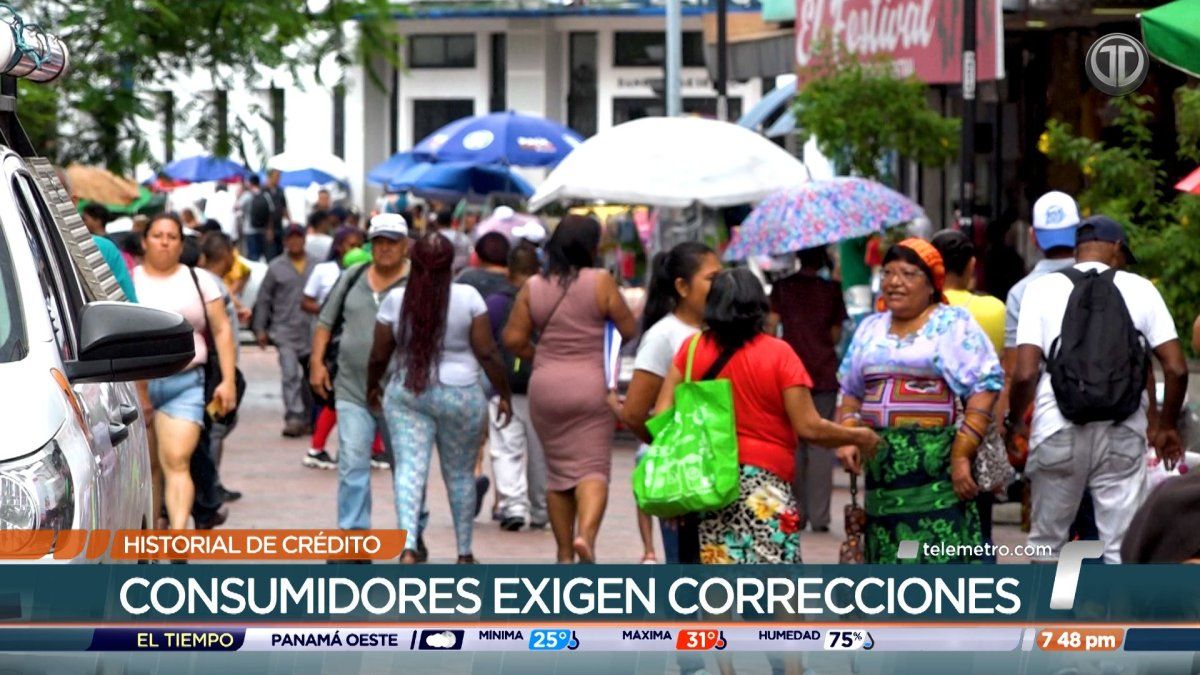
Panama’s consumer protection authority received more than 200 complaints in the first quarter of the year over alleged irregularities in credit histories. After verifying the violations, Acodeco imposed fines totaling $9,000 on more than ten economic agents, including banks, finance companies, cooperatives, and other service providers.
Why It Matters
Credit histories play a central role in access to loans, financing, and other financial services. When businesses handle that information incorrectly, consumers can face problems ranging from denied credit to errors that affect their financial reputation. The enforcement action underscores the role of consumer oversight in Panama’s financial system.
Regulatory Context
Acodeco regularly receives complaints from consumers who say their rights have been affected by companies in the marketplace. In cases involving credit records, the agency can investigate, confirm whether a violation occurred, and impose sanctions when businesses fail to comply with consumer protection rules.
What This Means for Consumers
The fines send a signal to financial institutions and service companies that they must handle credit information carefully and follow the standards required in Panama. For consumers, the outcome highlights the importance of reviewing their financial records and reporting possible errors through the proper channels.
As credit data continues to shape lending decisions, oversight of these records remains a key issue for households and businesses alike. The cases also show that complaints can lead to penalties when regulators find that companies have not met their obligations.