
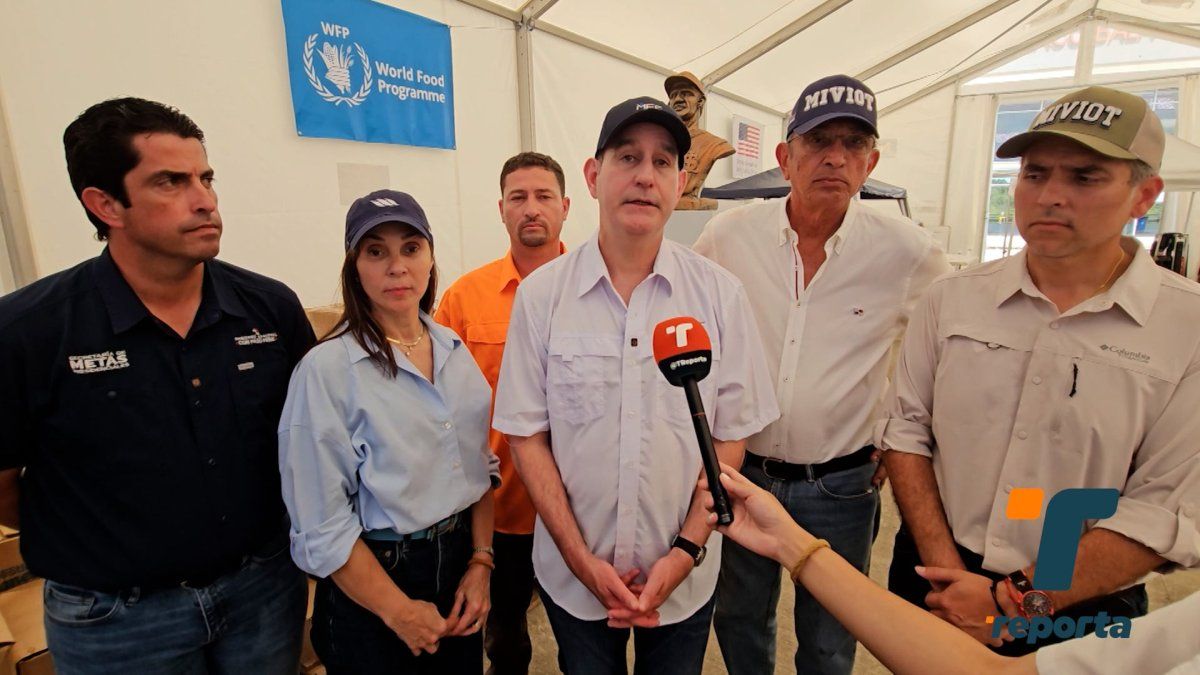
Panama’s national government ministers have held talks with mayors from the country’s central provinces to find ways of accelerating disaster assistance following the powerful earthquake that struck on October 9, with local government buildings and businesses to be included in the reconstruction process.
What Happened
Members of the national cabinet met with mayors from the central provinces to coordinate mechanisms aimed at speeding up the delivery of aid to communities affected by the October 9 earthquake. The meeting focused on cutting through bottlenecks so that assistance reaches affected residents as quickly as possible.
Beyond immediate humanitarian relief, officials also agreed that the recovery effort will extend to rebuilding damaged local government buildings and private businesses. Including municipal infrastructure and commercial premises in the reconstruction plan signals that the government views recovery as a broader economic and administrative process, not only an emergency response.
Background
The earthquake of October 9 affected communities across Panama’s central provinces, a region that includes areas historically vulnerable to seismic activity given Panama’s position near the junction of tectonic plates in Central America. Earthquakes of this kind can damage municipal buildings, homes, and small businesses, disrupting both local governance and the economies of affected towns.
Local mayors play a central role in disaster response in Panama, as municipal governments are typically the first to identify damaged infrastructure, displaced families, and interrupted public services. When national-level aid channels are slow, residents often depend on municipal authorities for immediate support. This makes direct coordination between cabinet ministers and mayors a critical step in ensuring that national resources translate into timely help on the ground.
Involving businesses in the reconstruction framework also reflects the economic reality of post-disaster recovery. Damaged shops, warehouses, and service providers can paralyze local commerce, delaying a community’s return to normalcy even after homes are repaired.
What This Means for Panama
The meeting signals a shift from emergency response toward organized reconstruction in the central provinces. By bringing mayors directly into discussions with ministers, the government is attempting to streamline decision-making and avoid duplication or delays in aid delivery.
The inclusion of local government buildings in the rebuilding plan is significant because municipal offices house essential services such as civil records, permits, and administrative functions that residents rely on daily. Rebuilding these facilities will help restore normal local governance in affected districts.
For business owners, the commitment to include commercial recovery in the reconstruction process offers a pathway back to economic activity, which in turn supports employment and local tax bases.
Residents of the central provinces should watch for the pace at which announced aid mechanisms translate into visible reconstruction, the prioritization of damaged municipal buildings, and further coordination meetings between national authorities and local governments as the recovery unfolds.
This story was originally reported by Telemetro.