
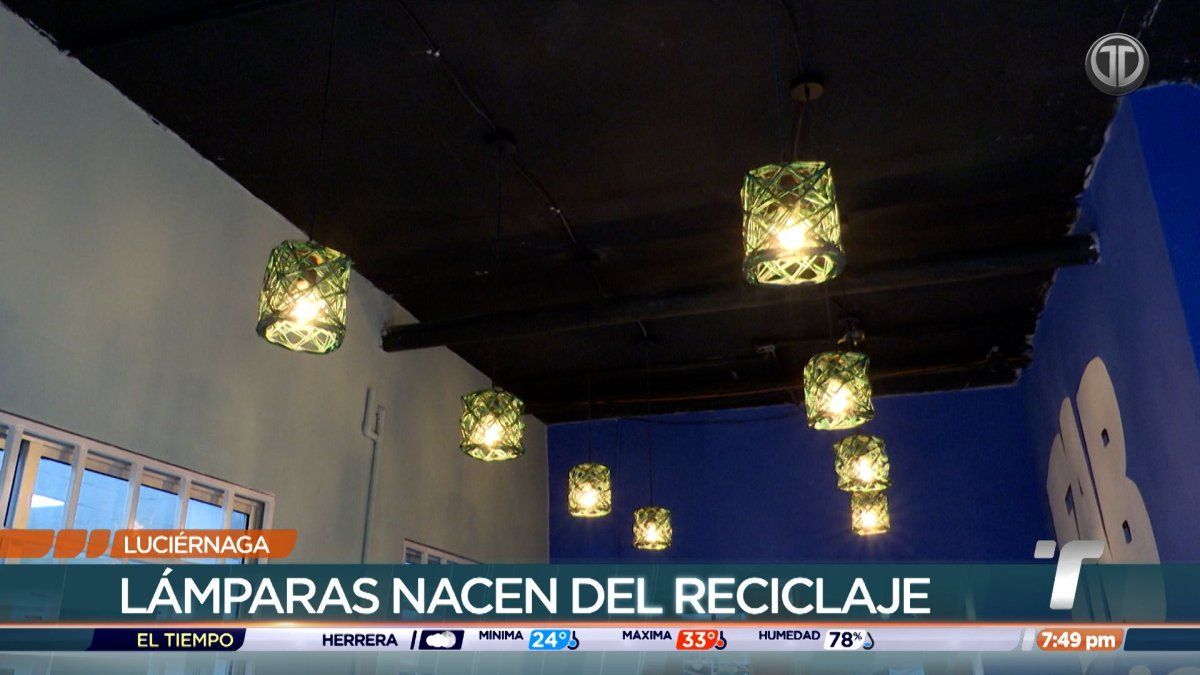
A Panamanian venture is transforming plastic waste into designer lamps, blending creativity and sustainability in a bid to promote the circular economy in the Central American nation. The initiative, highlighted by Telemetro, shows how discarded plastic can gain a second life as functional, stylish home décor.
What Happened
The entrepreneurial project takes plastic that would otherwise be thrown away and converts it into design lamps. Each piece represents a convergence of artistry and environmental responsibility, with the founders betting that consumers increasingly value products made from recycled materials. Rather than allowing plastic waste to end up in landfills or waterways, the business gives it new purpose as lighting fixtures intended for homes and other spaces.
The venture was featured by Panamanian media outlet Telemetro as an example of local innovation, showcasing how small businesses in the country are embracing sustainability as both a mission and a market opportunity.
Background
Plastic waste is a major environmental challenge worldwide, and Panama is no exception. As a nation with coastlines on both the Caribbean Sea and the Pacific Ocean, Panama faces particular pressure from plastic pollution, which can harm marine ecosystems, wildlife, and tourism — one of the country’s most important economic sectors.
The circular economy, the model this startup embraces, is based on keeping materials in use for as long as possible: designing out waste, reusing resources, and regenerating natural systems. Recycling plastic into durable, desirable products like lamps is a practical application of that philosophy. Instead of the traditional linear model of take, make, and dispose, circular approaches aim to close the loop.
In recent years, entrepreneurship has become an important engine of Panama’s economy, with small and medium-sized businesses contributing to job creation and innovation. Ventures that combine commerce with environmental goals reflect a broader regional trend of conscious consumerism, where buyers seek products with a positive impact.
What This Means for Panama
Projects like this demonstrate that sustainability and business can go hand in hand in Panama. By converting plastic waste into products with commercial value, the venture helps reduce the volume of discarded material while creating a marketable good — a dual benefit for the environment and the economy.
The initiative also sends a signal to other Panamanian entrepreneurs: recycled materials can be the raw stock for viable, design-forward businesses. If such ventures scale, they could contribute to local recycling chains, create employment, and raise consumer awareness about waste.
For consumers, the availability of designer lamps made from recycled plastic offers a tangible way to support the circular economy in their daily lives. As awareness of plastic pollution grows in Panama, demand for sustainable alternatives may continue to rise — and homegrown ventures like this one are positioned to meet it.
This story was originally reported by Telemetro.