
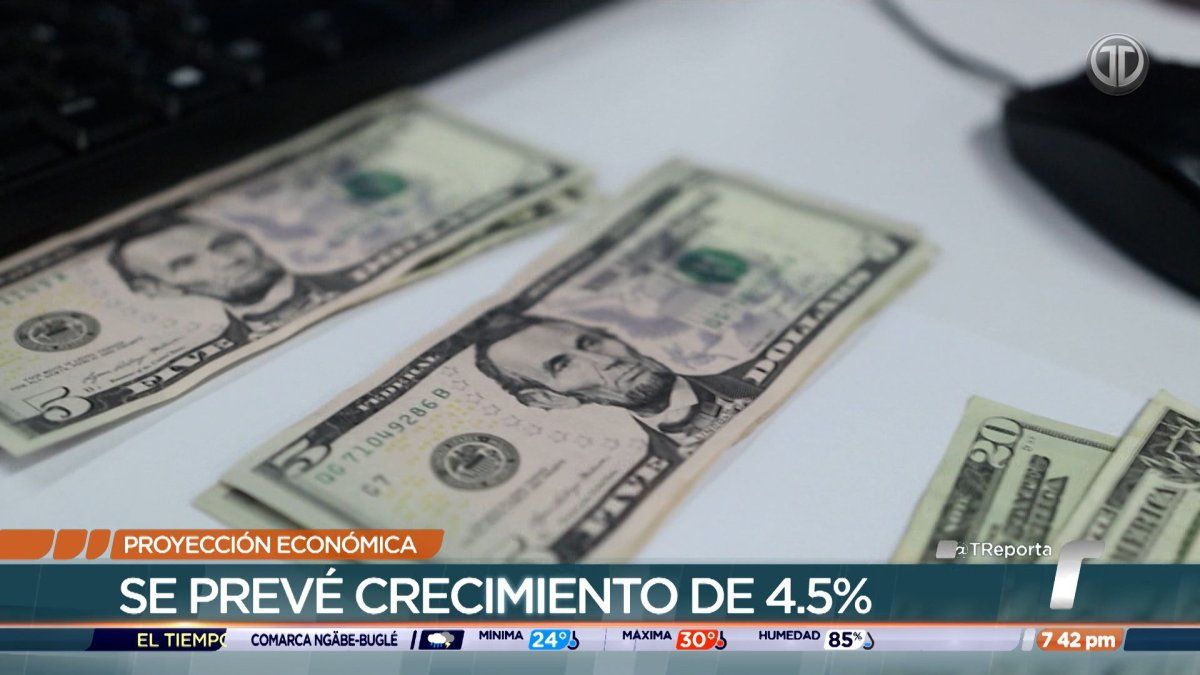
Panama’s economy is forecast to expand by 4.5% in the coming months, according to a new report from the Economic Commission for Latin America and the Caribbean (CEPAL). But economists warn that the positive macroeconomic picture is not being felt by ordinary Panamanians—particularly those living outside the capital—a gap that raises questions about who is benefiting from the country’s recovery.
What Happened
The CEPAL report projects that Panama’s gross domestic product will grow by 4.5% in the near term, a figure that places the country among the stronger performers in Latin America and the Caribbean. At the macroeconomic level, economists cited in the report’s coverage describe this as a favorable scenario for the country.
However, those same economists note a striking disconnect: while the headline numbers point to expansion, citizens—above all in the interior of the country—say they do not perceive any real improvement in their economic circumstances. Growth that looks strong on paper, they explain, is not translating into a visible betterment of household finances, job opportunities, or local economic activity for many Panamanians.
Background
CEPAL, also known by its Spanish acronym CEPAL, is a United Nations regional commission headquartered in Santiago, Chile. It regularly publishes growth projections for the economies of Latin America and the Caribbean, and its forecasts are closely watched by governments, investors, and international financial institutions across the region.
Panama has historically been one of Latin America’s fastest-growing economies, driven by the Panama Canal, the Colon Free Zone, international banking, and logistics services centered largely in Panama City. That concentration of economic activity in and around the capital has long fueled debates about regional inequality, with the interior provinces often lagging behind in income, infrastructure, and formal employment.
The tension highlighted by the economists—a strong aggregate growth rate coexisting with a population that feels no improvement—reflects a broader debate about how economic growth is measured and distributed. GDP figures capture the total size of economic output, but they do not reveal how gains are shared among regions, sectors, or income groups.
What This Means for Panama
The gap between projected growth and public perception has significant implications. Economists suggest that if a 4.5% expansion is not felt by citizens in the interior, the benefits of growth may be concentrated in specific sectors or geographic areas rather than spreading through the broader economy.
For the government, the findings point to the political importance of ensuring that growth reaches beyond the capital—through investment, employment, and support for productive activity in the provinces. Public dissatisfaction with economic conditions can shape the political climate even when official indicators remain strong.
Observers will be watching whether the projected growth materializes in the coming months and, crucially, whether it begins to show up in the daily realities of Panamanians outside Panama City. The economists’ assessment underscores that for many citizens, the true measure of economic success is not the growth rate itself, but whether jobs, incomes, and opportunities visibly improve where they live.
This story was originally reported by Telemetro.