
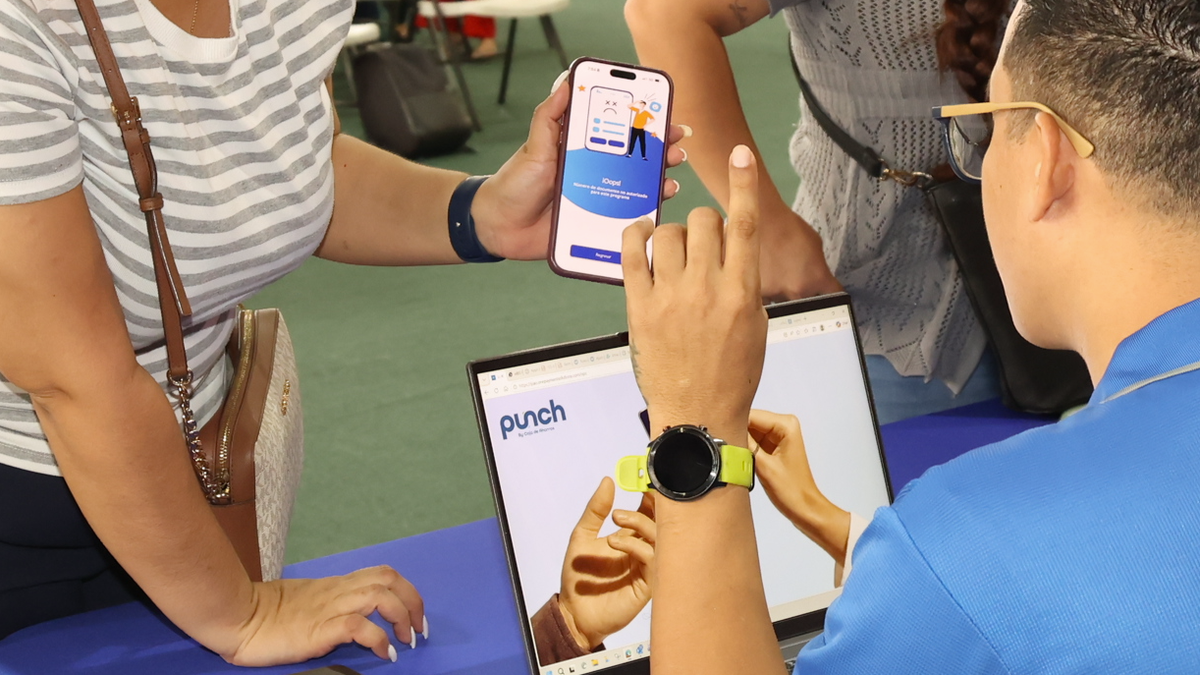
Panama’s Institute for the Formation and Use of Human Resources (IFARHU) will distribute 7,186 PUNCH cards under the Universal Social Educational Assistance Program (PASE-U) from Monday, November 16 through Friday, November 20, 2026, targeting the Emberá-Wounaan comarca and hard-to-reach communities in the Darién province.
What Happened
IFARHU announced that the week-long delivery operation will bring PUNCH cards directly to students and families in some of the country’s most remote territories. The distribution covers the indigenous comarca of Emberá-Wounaan and communities in Darién that are difficult to access due to geography and limited infrastructure.
The PUNCH card is the payment instrument used for the PASE-U program, which provides educational social assistance to students. Recipients use the card to receive and access their benefit funds.
Background
The PASE-U program, administered by IFARHU, is one of Panama’s principal educational support initiatives, designed to help families keep students in school by easing the economic burden of education-related costs. Benefits are delivered through the PUNCH card system.
The Emberá-Wounaan comarca is an indigenous territory in eastern Panama, largely within the Darién region, an area characterized by rivers, dense rainforest, and limited road connectivity. Reaching communities there often requires travel by river or other logistical arrangements, which is why delivery campaigns are organized as scheduled, concentrated operations rather than routine office-based distribution.
What This Means for Panama
The delivery of 7,186 cards represents a significant effort to extend social programs to populations that can otherwise be left out of national benefit systems due to geographic isolation. Bringing the cards directly into the comarca and surrounding Darién communities removes a practical barrier for families who might not be able to travel to urban service centers.
For beneficiaries in the region, the November 16–20 window is the key period to receive their cards. The operation also reflects the government’s ongoing use of targeted delivery missions to ensure that educational assistance reaches indigenous and rural populations on par with the rest of the country.
This story was originally reported by Telemetro.