
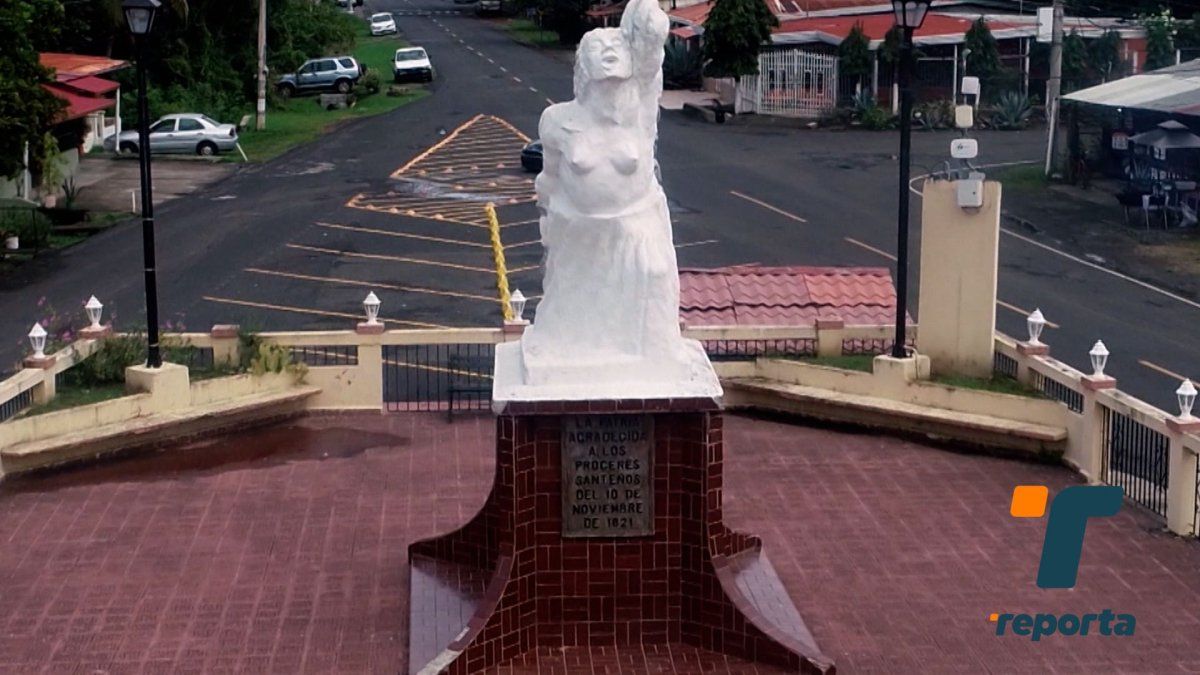
Each year on November 10, Panama pauses to pay tribute to one of the defining moments in its national history: the First Cry of Independence (Primer Grito de Independencia) of 1821, launched from the town of La Villa de Los Santos in the Azuero Peninsula. The date, marked as a national holiday, honors the men and women who took the first step toward ending Spanish colonial rule and setting Panama on the path to becoming a free nation.
What Happened
As Telemetro highlighted in its commemorative coverage, every November 10 Panama renders tribute to the heroic deed of La Villa de Los Santos. The commemoration raises a central question that continues to resonate nearly two centuries later: what moved those men and women in 1821 to take the first step toward the country’s freedom?
The answer lies in the events of that day, when residents of La Villa de Los Santos rose up and proclaimed their desire to break with Spanish rule. Their act became known as the First Cry of Independence, and it set in motion a process that culminated days later, on November 28, 1821, when Panama formally declared its independence from Spain in Panama City.
Background
La Villa de Los Santos, founded in the 16th century, is one of the oldest colonial settlements in Panama and holds a special place in the country’s historical memory. Located in the Los Santos province on the Azuero Peninsula, the town is widely regarded as the cradle of Panamanian independence.
The uprising of 1821 took place within the broader context of Latin America’s independence movements, when colonies across the region were breaking away from the Spanish Empire. Panama’s separation, achieved without the large-scale warfare that devastated other parts of the region, was finalized later that same month, and the country initially joined the Republic of Gran Colombia before becoming part of the Republic of Colombia and, ultimately, an independent republic in 1903.
Today, November 10 is one of Panama’s patriotic holidays, celebrated alongside November 28 — the official date of independence from Spain — and November 3, which commemorates separation from Colombia. Schools, civic groups, and government institutions typically hold ceremonies, parades, and educational activities to honor the date.
What This Means for Panama
The annual commemoration of the First Cry of Independence is more than a historical observance — it is a moment for national reflection on the values of courage and civic commitment demonstrated at La Villa de Los Santos. The question posed in this year’s coverage, about what motivated those early patriots, underscores the enduring relevance of the episode for understanding Panamanian identity.
For Panamanians, the November holidays serve as an opportunity to revisit the country’s founding story and to pass that history on to new generations through civic education and community celebrations. La Villa de Los Santos remains a focal point of these commemorations, drawing visitors and officials alike to the town where the first call for freedom was raised.
As Panama continues to mark the bicentennial decade of its independence, the legacy of November 10, 1821, stands as a reminder of the town’s decisive role in launching the nation’s journey toward sovereignty.
This story was originally reported by Telemetro.