
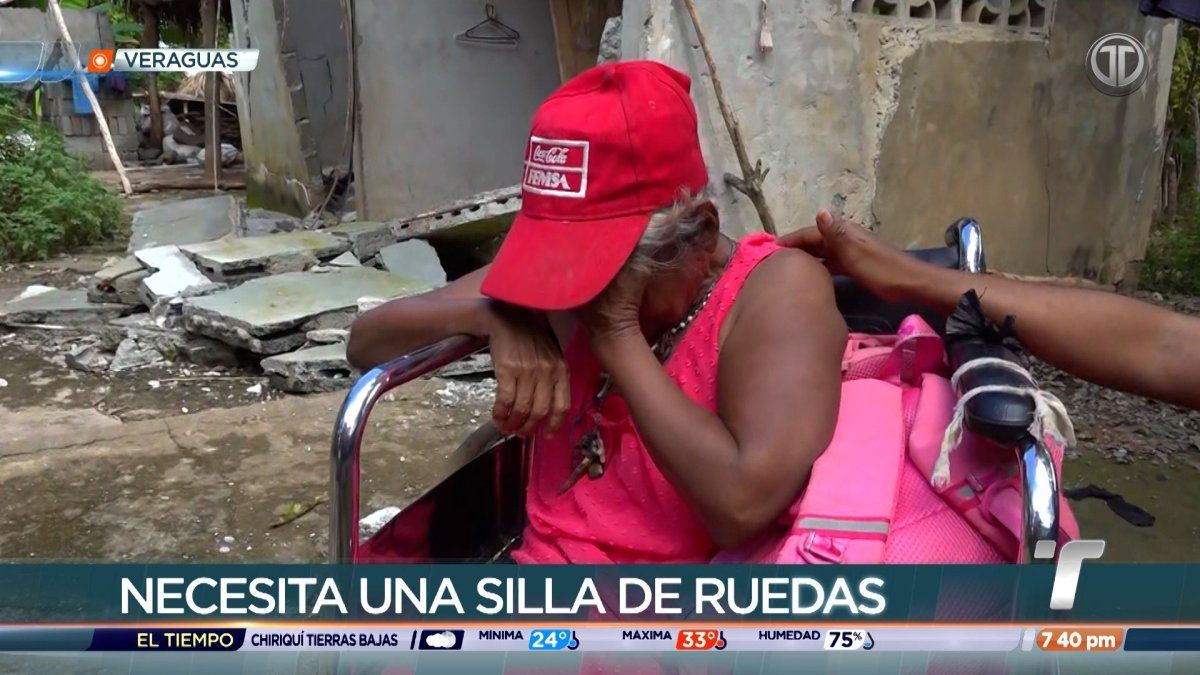
More than a month after a powerful earthquake struck Panama, an elderly woman in the rural community of El Zancudo, in the province of Veraguas, is still living in a tent after her home was destroyed — and she is now publicly appealing to authorities for help rebuilding her life.
What Happened
According to a report by Telemetro, the elderly woman lost her home in El Zancudo as a direct result of the earthquake. In the weeks since the disaster, she has been forced to take refuge in a tent, where she has now been living for approximately one month.
She is requesting two forms of assistance from the authorities: support to rebuild or recover her home, and a wheelchair, which she needs for her mobility. As of the date of the report, no details were given about whether aid had already begun arriving in her community.
Her situation illustrates the slower, quieter side of disaster recovery — the phase after the initial emergency response, when families who lost everything wait for longer-term housing solutions that do not always arrive quickly.
Background
Veraguas is Panama’s largest province by area, located in the central part of the country along the Pacific coast, with Santiago as its capital. Much of the province is rural, and communities like El Zancudo often consist of modest homes that are especially vulnerable to strong seismic shaking.
Panama sits in a seismically active region of Central America, where the interaction of tectonic plates along the Caribbean and Pacific margins produces regular earthquake activity. While many tremors cause little or no damage, stronger events can seriously affect older or informally constructed homes, particularly in rural areas where building standards and resources are limited.
In the aftermath of significant earthquakes in Panama, displaced residents typically depend on a combination of government emergency agencies, local authorities, and community solidarity for shelter and basic needs. Temporary solutions such as tents and improvised shelters are common in the first weeks, but they are not designed to be long-term housing — a reality that becomes increasingly difficult for vulnerable groups such as the elderly and people with disabilities.
What This Means for Panama
This case puts a spotlight on the pace of post-earthquake recovery in rural Veraguas and raises questions about how effectively aid is reaching the most vulnerable survivors weeks after the initial disaster.
For the woman in El Zancudo, the needs are specific and urgent: a safe home to replace the tent she has lived in for a month, and a wheelchair to restore her mobility and independence. Her public appeal is effectively a call for authorities to follow through on disaster relief commitments once the emergency phase has passed.
More broadly, her situation is a reminder that earthquake damage in Panama is often felt longest in remote communities, where rebuilding can take months and where elderly residents with limited mobility face particular hardship. Watch for whether national and provincial authorities respond to this case, and whether other families in Veraguas remain in similar temporary conditions a month on from the quake.
This story was originally reported by Telemetro.