
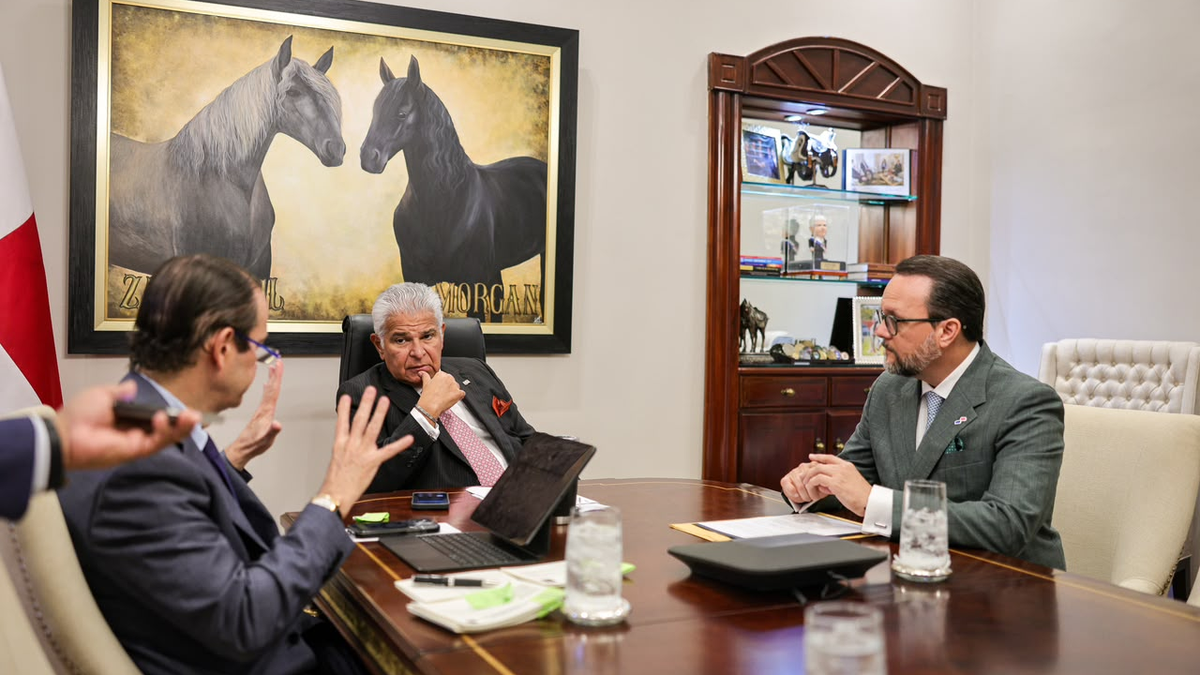
Presidents José Raúl Mulino of Panama and Laura Fernández of Costa Rica have held talks aimed at reinforcing security cooperation between the two neighboring nations, with a focus on combating narcoterrorism. The conversation underscores the growing urgency both governments place on regional security as drug trafficking organizations increasingly use Central America as a corridor for illicit shipments.
What Happened
The two presidents discussed security matters and cooperation against narcoterrorism, according to Telemetro. The dialogue reflects a shared commitment by both administrations to confront the criminal organizations that move drugs and violence through the region. Panama, under President Mulino, has made security a central pillar of its domestic and foreign policy, and the conversation with his Costa Rican counterpart signals an effort to coordinate that approach across borders.
Background
Panama and Costa Rica share a land border and both sit along one of the world’s most heavily trafficked drug routes. Cocaine produced in South America is frequently moved north through the Pacific and Caribbean waters off both countries, or overland through Central America, en route to the United States and Europe. Panama’s geographic position at the narrowest point of the Central American isthmus has long made it a strategic transit hub for narco-trafficking organizations.
Since taking office, President Mulino has emphasized a hard line on crime and insecurity, and cooperation with regional partners has formed part of that strategy. Costa Rica has likewise faced rising drug-related violence linked to its role as a transit country, prompting both governments to seek closer coordination on intelligence, maritime interdiction, and border security.
What This Means for Panama
For Panama, deepening security ties with Costa Rica could mean stronger intelligence sharing, joint pressure on trafficking networks operating along the shared border, and greater diplomatic backing for the country’s broader security agenda. Mulino has repeatedly framed the fight against drug trafficking and organized crime as central to restoring public confidence and protecting Panama’s economy, including the Panama Canal and tourism sectors, which can suffer when insecurity rises.
The talks also position Panama as a proactive player in regional security coordination at a time when Central American nations face mounting pressure from transnational criminal groups. Readers should watch for follow-up agreements, security summits, or operational cooperation announcements in the coming months, which would indicate whether this high-level dialogue translates into concrete joint action.
This story was originally reported by Telemetro.