
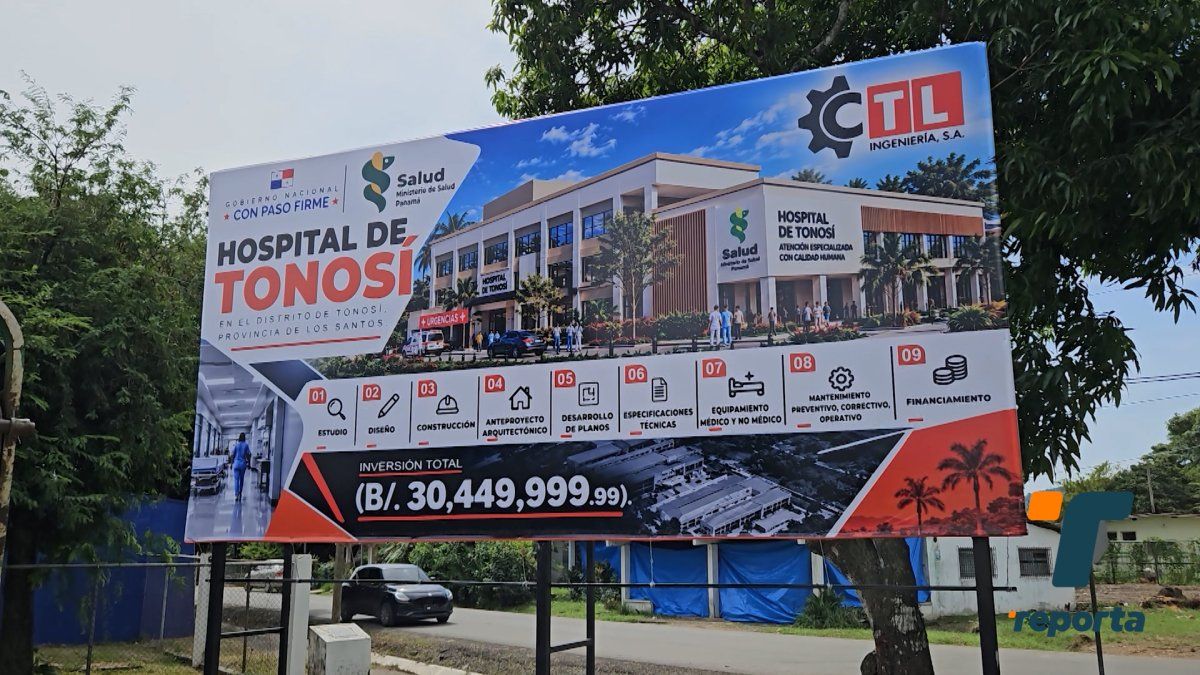
Panama’s Health Minister Fernando Boyd Galindo has confirmed that the municipality of Tonosí, in the province of Los Santos, has donated the land needed to build the district’s new hospital — a major step forward for a project long awaited by residents of the Azuero region.
What Happened
Minister Boyd Galindo provided details on the donation of the terrains by the Tonosí Municipal Council, which clears the way for construction of a new hospital in the district. The donation of the land removes one of the key obstacles that typically delays public hospital projects in Panama: securing a suitable site.
The minister also announced a practical measure to ensure residents are not left without services during the construction period. While the new hospital is being built, a temporary modular hospital will be installed to provide the medical attention the population requires.
Background
Tonosí is a largely rural district in Los Santos province on the Azuero Peninsula, an area known for agriculture, livestock farming, and a growing tourism sector along its Pacific coastline. Communities in the district have historically depended on more distant regional health facilities, making local access to hospital-level care a longstanding demand.
The use of modular hospitals has become a common strategy in Panama’s public health infrastructure planning. These prefabricated facilities can be assembled relatively quickly and offer emergency, outpatient, and basic inpatient services while permanent hospitals are designed and built — a process that often takes years.
The project also reflects the government’s broader push to expand hospital coverage in the country’s interior provinces, where health infrastructure has traditionally lagged behind Panama City and its metropolitan area.
What This Means for Panama
For the people of Tonosí and surrounding communities, the land donation means the hospital project can move from planning to execution, improving access to medical care closer to home. The interim modular hospital ensures continuity of services in the meantime, so residents will not face a coverage gap during construction.
The development is also significant for the Azuero region more broadly. Improved health infrastructure supports not only local residents but also the area’s economic activities — including fishing, farming, and coastal tourism — which depend on a population with reliable access to healthcare.
What to watch next: the timeline for installing the modular hospital, the start of construction on the permanent facility, and the budget allocation for the project. Residents and local officials will be following closely to see whether the momentum generated by the land donation translates into visible progress on the ground.
This story was originally reported by Telemetro.