
Street vendors selling food and beverages along the patriotic parade routes in Panama City are reporting disappointing sales, with some saying they are facing economic losses during what is traditionally one of the busiest vending weekends of the year in the capital.
What Happened
According to a report by Telemetro, some sellers of food and drinks positioned along the routes of the patriotic parades in the district of Panama have reported low sales and stated that they are experiencing economic losses. The vendors, who typically rely on large holiday crowds to generate income, said turnout or spending along the parade routes did not translate into the business they anticipated.
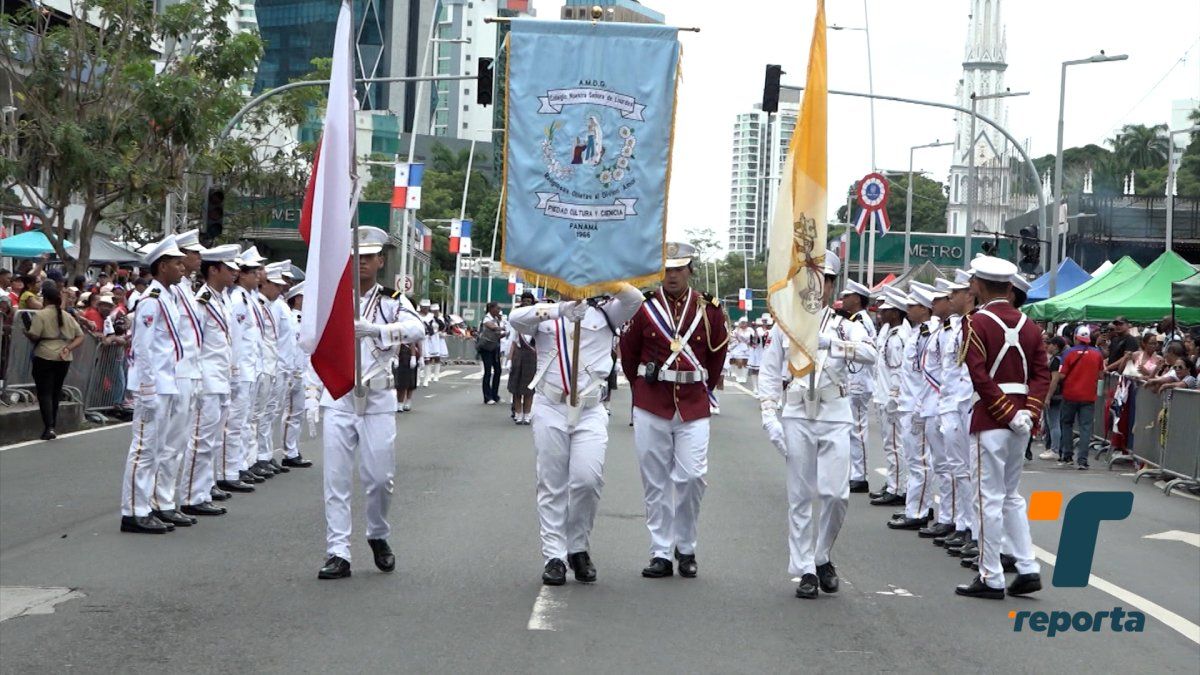
The complaints come as Panama marks its series of November patriotic holidays, when parades march through the streets of the capital and thousands of spectators typically line the routes. Food and drink stalls are a familiar part of the celebration, serving empanadas, refreshments, and other typical fare to families who gather to watch school bands and dance troupes pass by.
Background
November is one of the most symbolically important months in Panama’s civic calendar. The country commemorates several national dates in quick succession, including the Separation of Panama from Colombia on November 3, Flag Day on November 4, and the Cry of Independence in Los Santos. The holidays are celebrated with parades across the country, and the largest events traditionally take place in Panama City, drawing school marching bands, civic groups, and large family audiences.
For informal vendors and small food businesses, these parades represent a key earning opportunity. Many invest in advance in ingredients, supplies, and permits in the expectation that holiday crowds will generate strong sales. When sales fall short, those upfront costs can quickly turn into losses, a particularly heavy blow for vendors who operate on thin margins and depend on seasonal spikes in revenue.
Street vending is an important part of Panama’s informal economy, and public events such as parades, festivals, and sporting gatherings are among the most reliable income generators for these micro-entrepreneurs. Reports of weak sales during major holidays often raise questions about crowd attendance, spending habits, or broader economic conditions affecting household budgets.
What This Means for Panama
The vendors’ complaints highlight the economic vulnerability of those who depend on holiday celebrations for their livelihoods. While parades remain a proud national tradition, the gap between expected and actual sales underscores the pressures facing small-scale sellers, particularly if household spending has tightened.
For city authorities and organizers, the reports may prompt attention to how parade-day commerce is supported, including vendor access to prime locations along the routes. For vendors themselves, weak results during a peak season could affect their finances heading into the end-of-year holidays, another critical period for food and beverage sales.
Observers will be watching whether sales pick up during the remaining November patriotic dates and whether vendors along parade routes in other parts of the country report similar shortfalls. The situation also serves as a reminder of how deeply Panama’s informal economy is tied to the rhythm of its national celebrations.
This story was originally reported by Telemetro.