
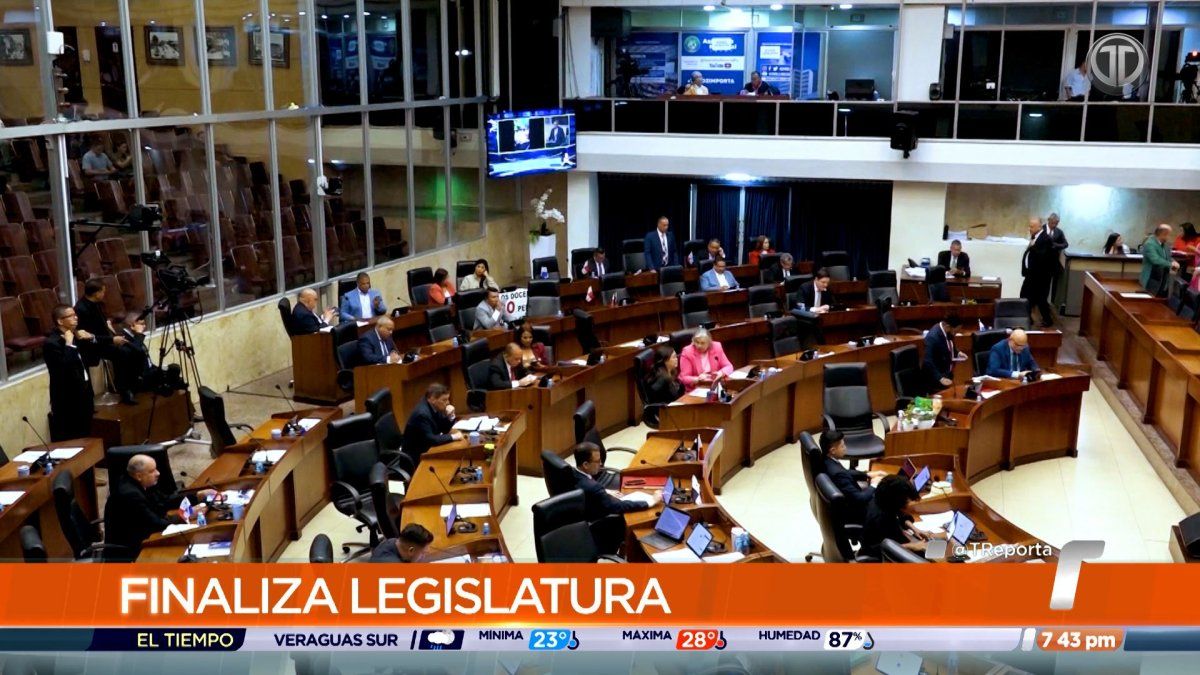
Panama’s National Assembly has concluded the first legislature of its third period of ordinary sessions and entered recess, leaving a number of significant bills still awaiting debate. The pause means legislative momentum on pending reforms and proposals will stall until lawmakers reconvene for the next phase of the legislative calendar.
What Happened
According to Telemetro, the Assembly formally closed the first legislature of the third ordinary session period and began its recess. With the session’s end, multiple draft laws that had been introduced or advanced during the period were left without final discussion or approval.
The source did not specify which bills remain pending, but the end of a legislative period routinely leaves items in committee or on the agenda without resolution, requiring them to carry over or be reintroduced when sessions resume.
Background
The National Assembly is Panama’s unicameral legislature, responsible for debating and passing national laws, approving the budget, and overseeing the executive branch. Its work is organized into ordinary session periods established by the Constitution, with scheduled recesses between legislatures.
When a legislature ends, bills that have not completed the legislative process do not automatically die, but their progress halts. Deputies must pick up the agenda when the next legislature opens, and competing priorities can delay or reshape the fate of unfinished proposals.
Recess periods are a regular feature of Panama’s congressional calendar and often serve as a moment to take stock of what was achieved and what remains on the table. They also come amid heightened public attention on the Assembly’s productivity, as citizens and civil society groups track which campaign promises and reform agendas translate into actual legislation.
What This Means for Panama
The recess leaves several legislative matters in limbo. Stakeholders following specific bills — from economic measures to social reforms — will need to wait until the Assembly reconvenes to see whether those proposals advance, are amended, or fall by the wayside.
For the government’s legislative agenda, the break is a checkpoint: proposals that did not move in this legislature must compete for attention in the next one. Observers of Panamanian politics will be watching which pending bills deputies prioritize when sessions resume, as those choices will signal the Assembly’s direction for the remainder of the period.
For ordinary Panamanians, the practical effect is a pause in lawmaking. Until the next legislature begins, the country’s legislative output stops, and debates over unresolved national issues shift from the Assembly floor to public discussion and political commentary.
This story was originally reported by Telemetro.