
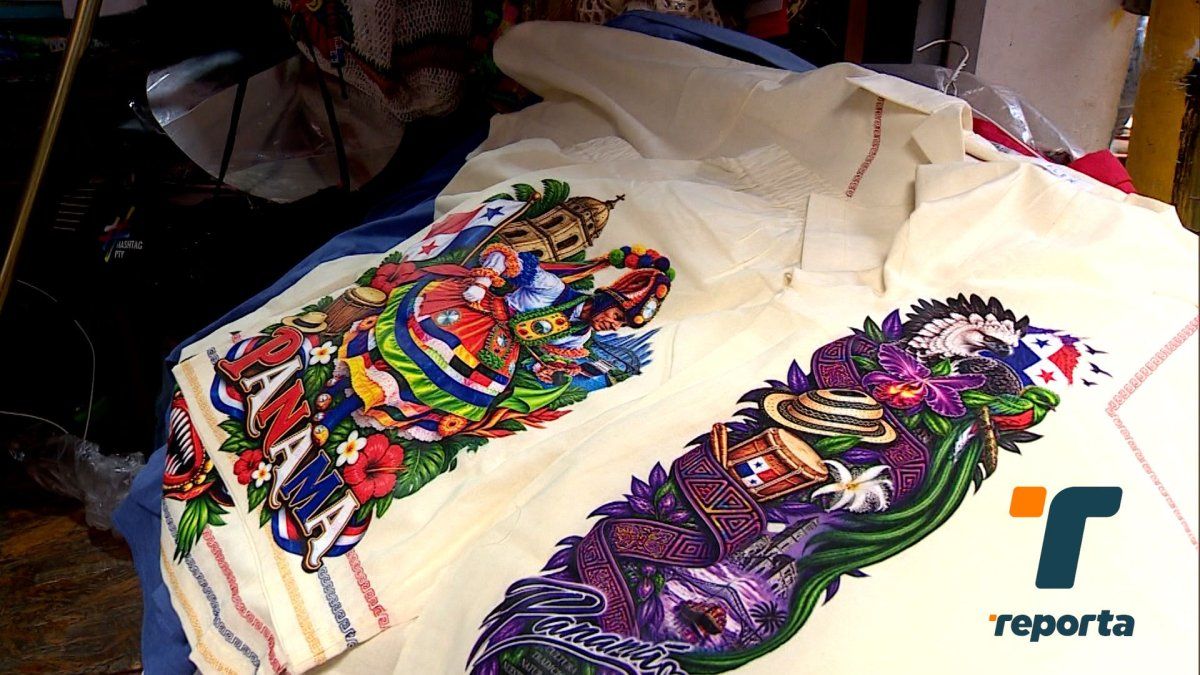
As Panama prepares to celebrate its Fiestas Patrias in November, artisans across the country are hard at work creating the traditional costumes that give the festivities their unmistakable character. Their handcrafted garments do more than dress those who honor the nation — they keep alive a trade that is itself a living piece of Panamanian culture.
What Happened
According to a report by Telemetro, artisans dedicated to the making of typical Panamanian attire are preserving the country’s traditions through their work on costumes for the patriotic celebrations. Their craftsmanship not only dresses the Panamanians who pay homage to the homeland during the November festivities, but also sustains an occupation that forms part of the nation’s cultural heritage.
The months leading up to the Fiestas Patrias are among the busiest for these makers, as schools, dance groups, and families seek traditional outfits for parades, folkloric performances, and civic ceremonies held throughout the country.
Background
Each November, Panama marks a series of national holidays, beginning with Separation Day on November 3, followed by Flag Day, Colon Day, and Los Santos Uprising Day, culminating on November 28 with Independence from Spain. Parades featuring marching bands, school delegations, and dancers in traditional dress are the centerpiece of the celebrations in cities and towns nationwide.
The most iconic of Panama’s traditional garments is the pollera, a voluminous, richly embroidered dress considered one of the most elaborate folk costumes in the Americas. Making a single pollera can take months of detailed handwork, including embroidery, lace appliqué, and the attachment of decorative elements such as sequins and pearls. Artisans also produce complementary items — including tembleques, the delicate hair ornaments worn with the pollera, and montuno attire traditionally associated with men’s rural dress.
These skills are typically passed down through generations within families and communities, and the artisans who practice them are widely recognized as guardians of Panamanian identity. Their work extends beyond the patriotic holidays to festivals, pageants, and cultural events year-round.
What This Means for Panama
The artisans’ role in the Fiestas Patrias highlights the connection between Panama’s celebrations and the traditional knowledge that sustains them. Without their labor, the visual identity of the November parades — the polleras, the montunos, and the folkloric presentations central to the festivities — would not exist in its current form.
Their work also represents an economic dimension: demand for traditional attire rises each year around the patriotic holidays, supporting artisan households and workshops that depend on these occasions for a significant share of their income.
At the same time, the craft faces the long-term challenge of generational continuity. Sustaining interest among younger Panamanians in learning these time-intensive techniques is essential if the trade — and the traditions it dresses — are to remain vibrant. The visibility the artisans receive during the Fiestas Patrias offers an annual reminder of the value of their work, and an opportunity to encourage its preservation as part of Panama’s living heritage.
This story was originally reported by Telemetro.