
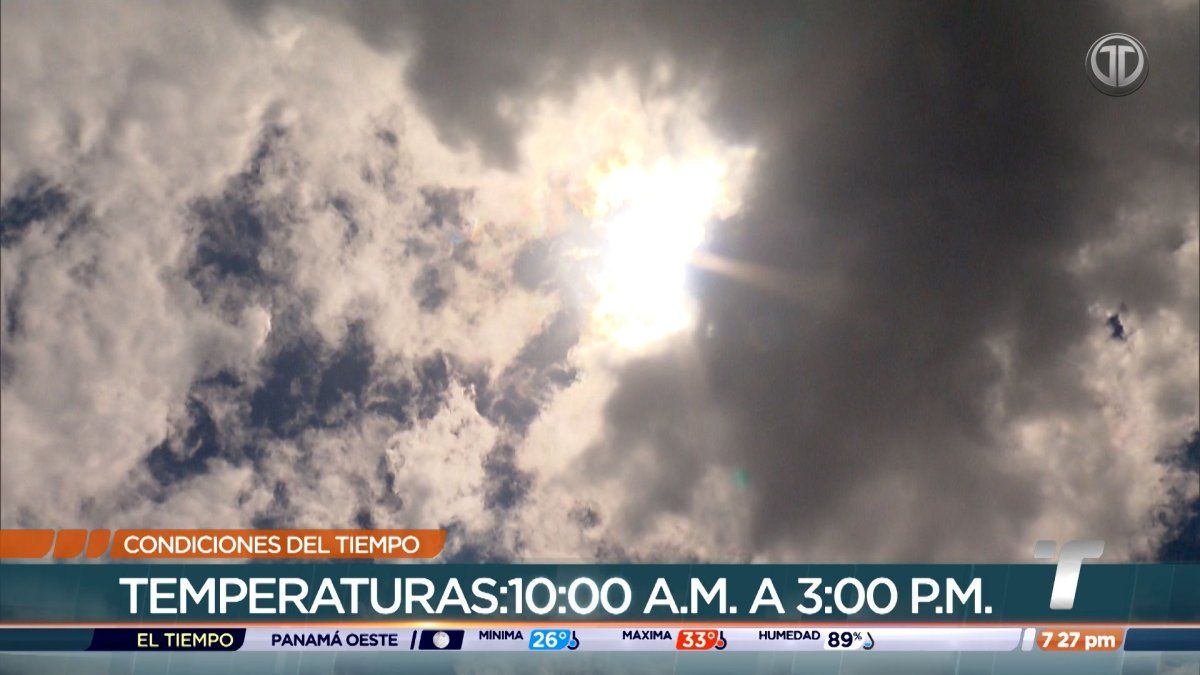
Panama’s Institute of Meteorology and Hydrology (Imhpa) has issued a warning about extreme levels of ultraviolet radiation and temperatures that could reach 34 degrees Celsius in the coming days, advising residents to take precautions against sun exposure before an expected increase in rainfall follows.
What Happened
According to Imhpa, the country will experience high temperatures and reduced cloud cover in the coming days, creating conditions for extreme ultraviolet radiation levels. Thermometers could climb to 34 degrees Celsius in some areas. The institute also forecast that after this hot, dry period, rainfall will increase across the country.
The combination of intense sunshine and limited cloudiness means that direct sun exposure will be particularly hazardous during the midday hours, when UV radiation typically reaches its daily peak.
Background
Imhpa is Panama’s national meteorological authority, responsible for weather forecasting, hydrological monitoring, and issuing public warnings about hazardous weather conditions. Its advisories guide the public, as well as sectors such as agriculture, construction, and tourism, which are sensitive to heat and rainfall patterns.
Panama’s tropical climate, located close to the equator, means UV radiation levels are naturally high year-round. However, periods of reduced cloud cover can push radiation to extreme levels, significantly raising the risk of sunburn, dehydration, and heat-related illness. Health authorities commonly recommend avoiding prolonged sun exposure between mid-morning and mid-afternoon, using sunscreen, wearing protective clothing and hats, and staying hydrated.
What This Means for Panama
For residents, the immediate priority is sun safety: limiting outdoor activity during peak hours, protecting skin from UV radiation, and drinking plenty of water, particularly for children, the elderly, and outdoor workers who face the greatest risk of heat-related illness.
The upcoming shift toward increased rainfall, as forecast by Imhpa, will bring relief from the heat but may also signal changing conditions that affect daily life, from commuting to agricultural planning. Readers should monitor Imhpa’s official forecasts and bulletins for updates as the weather pattern transitions.
This story was originally reported by Telemetro.