
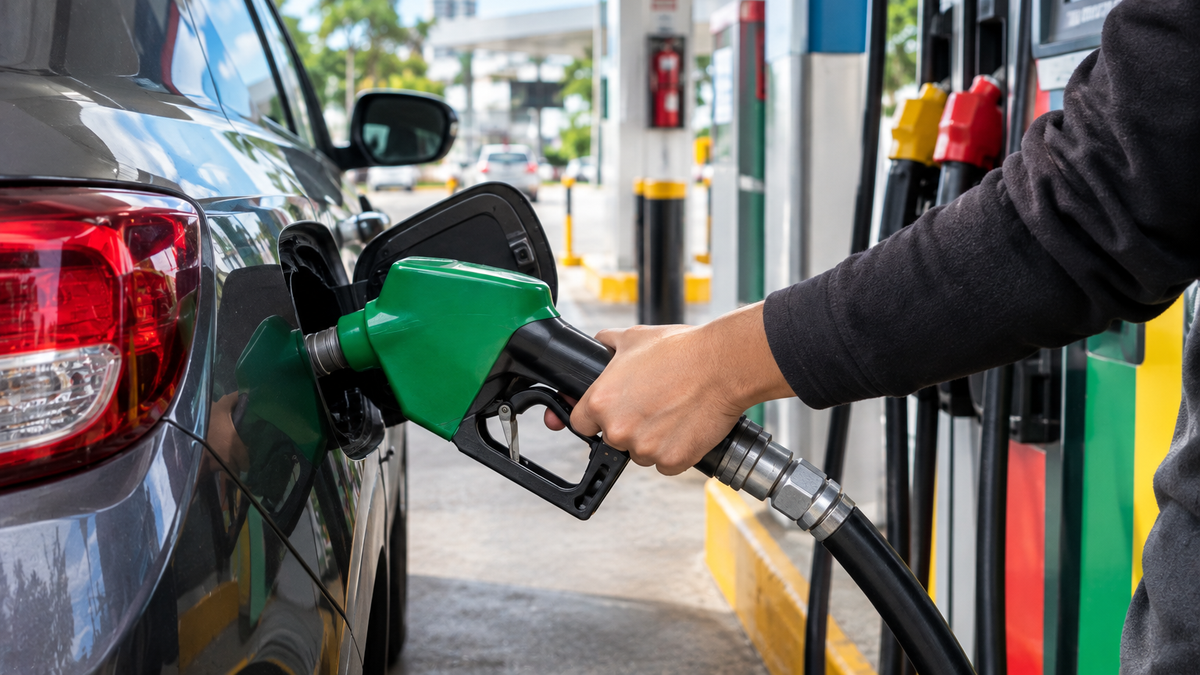
Panamanian drivers will see some relief at the pump starting Friday, October 30, 2026, as the National Energy Secretariat (SNE) announced price reductions for both 95 and 91 octane gasoline. The adjustment, however, is a mixed picture for consumers, as low-sulfur diesel will register a slight increase under the new pricing schedule.
What Happened
The Secretaría Nacional de Energía confirmed that fuel prices across Panama will undergo a new adjustment effective Friday, October 30, 2026. Under the announced changes, gasoline with 95 octanes and gasoline with 91 octanes will both see a reduction in their per-liter price, offering savings for motorists who fill up with the country’s most commonly used gasoline grades.
Low-sulfur diesel, by contrast, will experience a modest price increase per liter. Diesel is widely used in Panama not only by private vehicle owners but also by the commercial transport fleet — including trucks, buses, and freight vehicles — meaning the increase could have knock-on effects for transport and logistics costs even as gasoline consumers benefit from lower prices.
Background
Fuel prices in Panama are subject to regular adjustments announced by the National Energy Secretariat, the government body responsible for setting and publishing maximum fuel prices in the country. These periodic reviews are designed to reflect movements in international oil markets, freight costs, and exchange rate conditions, passing those fluctuations on to consumers at the pump in an orderly and predictable way.
The dual movement announced for late October — falling gasoline prices alongside rising diesel prices — illustrates how different fuel types can respond differently to market conditions. Gasoline and diesel follow distinct international reference prices and supply dynamics, which is why Panamanian consumers frequently see the two fuel categories move in opposite directions during a single adjustment.
Fuel pricing is a politically and economically sensitive issue in Panama, where transportation costs directly affect household budgets and the price of goods. Even small per-liter changes accumulate quickly for drivers, taxi operators, and businesses that depend on vehicle fleets, making each SNE announcement closely watched by consumers and industry alike.
What This Means for Panama
For everyday motorists, the new prices effective October 30 bring welcome news: lower costs for both major gasoline grades mean measurable savings for private drivers, rideshare operators, and others who rely on gasoline-powered vehicles. The reductions arrive as consumers continue managing household budgets in an economy where fuel is a significant recurring expense.
The slight diesel increase, on the other hand, is worth monitoring from a broader cost-of-living perspective. Because diesel powers much of Panama’s cargo and public transport infrastructure, even a small per-liter rise can marginally affect freight and transport operating costs — expenses that can eventually be reflected in the prices of goods and services.
Looking ahead, consumers should expect continued regular price adjustments from the SNE, which revises fuel prices in line with international market movements. The direction of future adjustments will depend on global oil price trends, and drivers would do well to stay informed of each scheduled announcement to anticipate changes at the pump. For now, gasoline users can take advantage of the lower prices taking effect October 30, while diesel-dependent businesses factor the small increase into their operating calculations.
This story was originally reported by Telemetro.