
Panama’s Institute for the Training and Use of Human Resources (IFARHU) has kicked off the evaluation process to determine which academic programs will be classified as priority careers for the 2027 General Scholarship Competition, distinguished positions, and other state-backed education programs.
What Happened
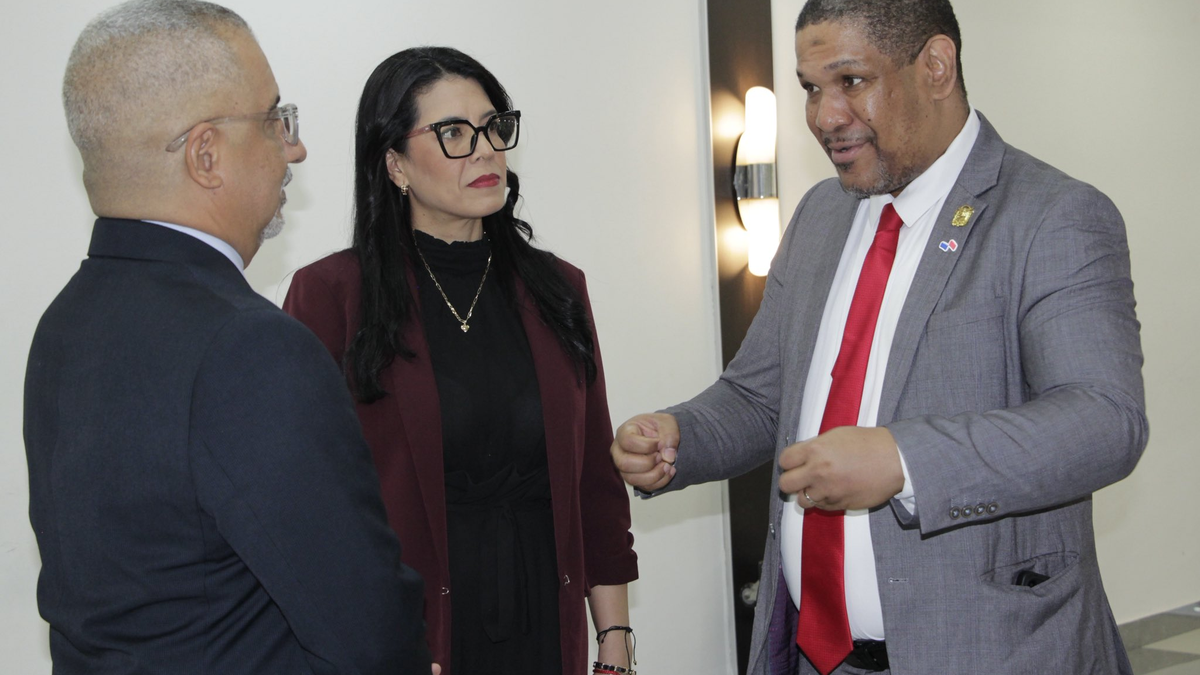
IFARHU installed a working table — a collaborative committee — bringing together universities, public entities, and representatives from the business sector. The group’s task is to assess and define which fields of study should receive priority status when the agency awards scholarships under the 2027 General Scholarship Competition and related programs, including distinguished placements.
By involving both academia and private industry in the evaluation, IFARHU aims to align its scholarship offerings with the country’s actual labor market needs, ensuring that public education funding supports careers in demand by employers and national development priorities.
Background
IFARHU is the Panamanian government agency responsible for managing scholarship programs, financing schemes, and human resource development initiatives. Each year, it runs the General Scholarship Competition (Concurso General de Becas), one of the country’s most widely used mechanisms for students seeking state support to pursue university and technical studies.
A central feature of the competition is the classification of “priority careers” — degree programs identified as strategically important to Panama. Students applying to study in these fields typically receive preferential treatment or additional points in the selection process. The designation is periodically reviewed to reflect shifts in the national economy and labor market.
The decision to convene universities, public institutions, and business representatives reflects a recognition that identifying priority fields requires input from multiple sectors: educators who understand academic capacity, government agencies that define national policy goals, and employers who know which skills are actually in short supply.
What This Means for Panama
The outcome of this working table will directly shape the opportunities available to thousands of Panamanian students applying for scholarships in 2027. Students planning their university careers — particularly those from families depending on public financing to access higher education — will want to watch closely for the final list of priority careers, as choosing a designated field can significantly improve their chances of securing a scholarship.
For the business sector, the process offers a channel to signal workforce shortages and help steer public investment toward the skills the economy needs. For universities, priority classifications can influence enrollment patterns across their program offerings.
The next steps to monitor are the conclusions of the working table, the publication of the updated priority careers list, and the eventual opening of the 2027 General Scholarship Competition, when students will be able to see how the new classifications affect application requirements and scoring.
This story was originally reported by Telemetro.