
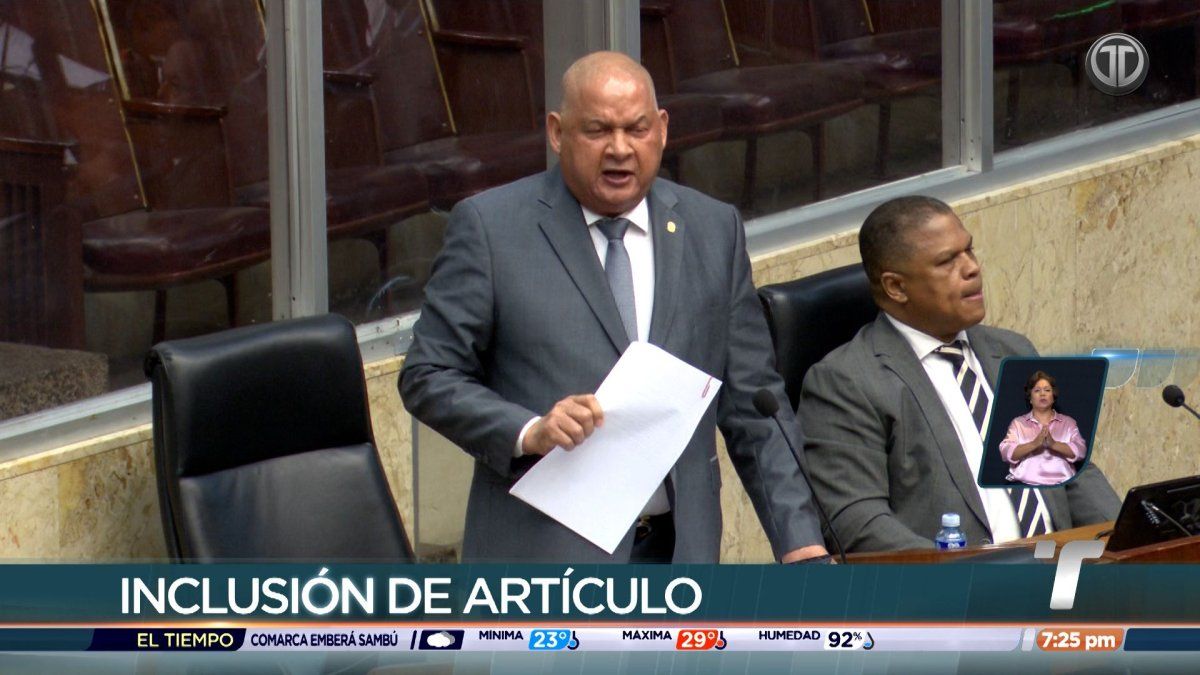
Amid a stalled debate over electoral reforms in Panama’s National Assembly, PRD Deputy Benicio Robinson has tabled a provocative proposal: cut off all public financing to political parties and audit how those funds have been spent over the past 15 years.
What Happened
Robinson, a legislator from the Democratic Revolutionary Party (PRD), presented the proposal even though discussion of the Electoral Reforms bill remains suspended in the National Assembly. His initiative calls for eliminating public financing to all political parties in Panama, a funding mechanism that has long been a fixture of the country’s democratic system.
The deputy also announced he will request a forensic audit to determine exactly how public funds were used by political parties over the last 15 years. The audit request signals an aggressive push for accountability, putting party finances under the microscope at a moment when the broader electoral reform package is in limbo.
Background
Public financing of political parties is a common practice across Latin America, designed to reduce reliance on private donations and level the playing field between established parties and smaller movements. In Panama, these state funds have historically supported party operations and electoral campaigns.
The proposal arrives as the National Assembly’s debate over the Electoral Reforms project remains suspended. Electoral reform has been one of the most closely watched legislative efforts in Panama, with political parties, civil society, and the Electoral Tribunal all weighing in on how the country’s democratic rules should be modernized.
Robinson is a veteran figure of the PRD, one of Panama’s largest political organizations. That a senior deputy from a major party — which itself benefits from state financing — is proposing to scrap the system entirely adds weight to the initiative and reflects growing scrutiny of how party funds are managed.
What This Means for Panama
If advanced, Robinson’s proposal could reshape how Panamanian politics is financed, forcing parties to rely on private donations, membership dues, and their own fundraising. It also raises practical questions about whether smaller parties could survive without state support, potentially affecting political pluralism.
The call for a forensic audit of 15 years of party spending could have significant political ramifications. If approved, it would open the books of every registered party to independent examination, a step that supporters of transparency have long demanded.
For now, the proposal’s fate is tied to the suspended Electoral Reforms debate. Watch for whether the Assembly resumes consideration of the bill, whether other deputies rally behind or reject the financing ban, and whether the audit request gains traction in the legislature. The coming weeks will show whether Robinson’s initiative becomes a serious reform vehicle or a lone gesture in a stalled negotiation.
This story was originally reported by Telemetro.